
Summary
- Torrential
rains hit South Korea, causing severe flooding and landslides. - At
least 18 people have died due to the extreme weather events. - Significant
damage reported to homes, infrastructure, and transportation. - Emergency
services are actively engaged in rescue and relief operations. - Meteorologists
warn of continued heavy rainfall in affected regions. - Government
officials urge residents to follow safety guidelines and evacuate if
necessary.
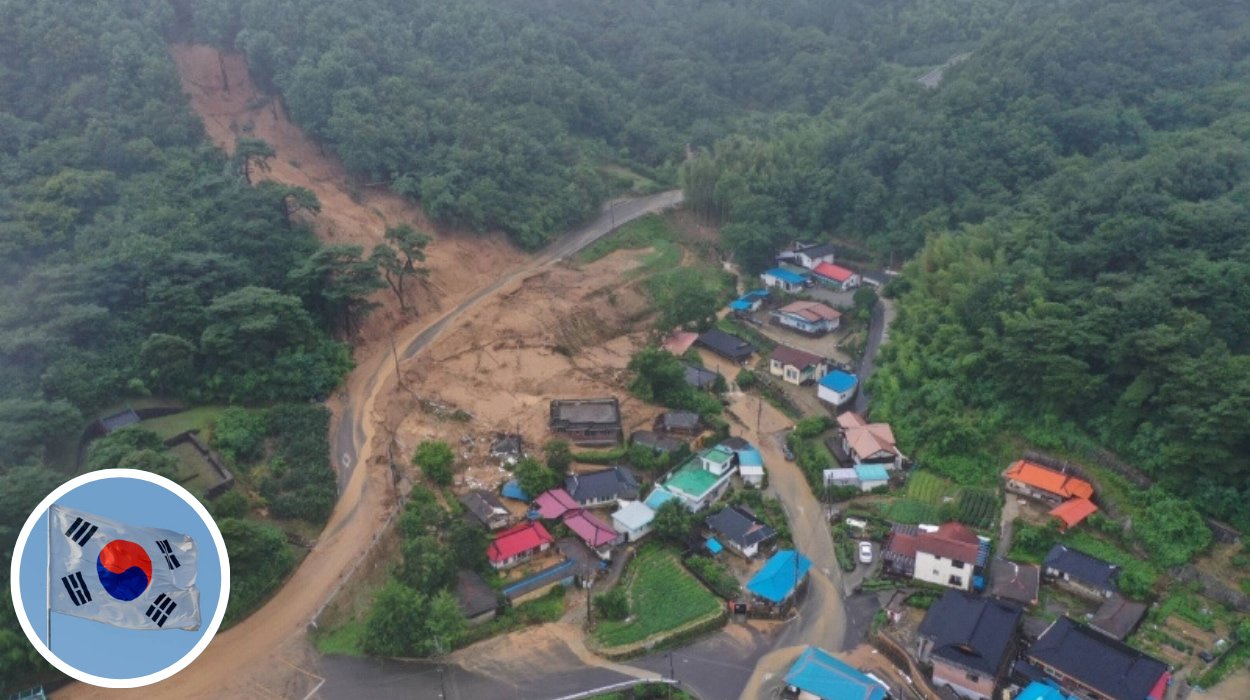
Torrential rains have lashed South Korea, resulting in at
least 18 fatalities, widespread destruction, and an ongoing crisis that has
drawn emergency response efforts across multiple provinces. The relentless
downpour has triggered flooding and landslides, overwhelming communities and
endangering thousands of residents.
What Caused the Torrential Rain and How Severe Is It?
Experts attribute the extreme weather to a persistent
monsoonal front coupled with humid air masses, creating conditions for
sustained heavy rainfall over the Korean Peninsula. According to local
meteorological agencies, parts of South Korea have seen record-breaking
rainfall volumes in a short period, leading to rapid rises in river levels and
saturated soils prone to landslides.
As reported by weather forecasters, this is part of South
Korea’s early monsoon season but at a far greater intensity and with more
destructive outcomes than usual. Continuous rain is expected in the coming
days, aggravating the risks for additional flooding and landslides.
Who Has Been Most Affected by the Flooding and Death Toll?
Authorities confirmed that at least 18 individuals have lost
their lives amid the flooding and related accidents. The fatalities span
several provinces, notably in low-lying urban areas and mountainous regions
susceptible to landslides.
Emergency services and first responders have been on high
alert, conducting search and rescue operations and evacuations. As per official
statements, many people remain unaccounted for or displaced, and the death toll
may rise as rescue efforts continue.
What Kind of Damage Has Been Reported Across South Korea?
Beyond the tragic loss of life, the torrential rains have
severely damaged infrastructure including roads, bridges, and utilities. Homes
have been inundated, forcing many families to seek temporary shelter.
Transportation networks faced disruptions, complicating mobility and emergency
response logistics.
The agricultural sector has also suffered, with flooded
fields and damaged crops threatening the livelihoods of farming communities.
Authorities are assessing the full extent of economic and environmental impact.
How Are Authorities Responding to the Disaster?
Government agencies have mobilized all resources for
disaster management. As reported by local officials, evacuation orders have
been issued in the most vulnerable areas. Emergency shelters have been
established, and humanitarian aid is being distributed to affected populations.
Officials are urging citizens to stay indoors where safe and
adhere strictly to public safety announcements. Efforts include deploying
additional personnel for search and rescue, flood control measures, and ongoing
monitoring of weather developments.
What Are the Economic Consequences of the Flooding in South
Korea?
The extensive flooding caused by the torrential rains is
expected to have significant economic repercussions for South Korea. Key
industries, especially agriculture and manufacturing in affected regions, have
faced disruptions due to damaged infrastructure and submerged facilities. Local
businesses, many of which are small and medium-sized enterprises, are
struggling to recover losses caused by water damage and interrupted supply
chains. Analysts warn that the cumulative economic impact could contribute to slower
regional growth if recovery efforts are delayed or insufficient.
How Are Communities and Volunteers Contributing to Relief
Efforts?
Communities across South Korea have rallied together to
support those impacted by the floods. Volunteers from various civic groups
along with neighborhood associations are assisting in distributing supplies,
clearing debris, and providing shelter to displaced families. Charitable
organizations are coordinating donations of food, clothing, and medical
supplies, working alongside government agencies to ensure aid reaches the most
vulnerable populations promptly. This communal effort has been lauded as a critical
component of the ongoing disaster response.
What Lessons Are Being Learned About Disaster Preparedness
and Climate Change?
Experts and policymakers are using this calamity as a
catalyst to reevaluate South Korea’s disaster preparedness strategies. The
impacts of the heavy monsoon rains highlight gaps in early warning systems and
urban planning, especially in rapidly growing cities susceptible to flooding.
Climate scientists emphasize that such extreme weather events may increase in
frequency and intensity due to global climate change. Officials are discussing
strengthening infrastructure resilience and investing in smarter flood control
technologies to mitigate future risks and protect lives and property.
What Warnings Have Meteorologists Provided Moving Forward?
Meteorologists warn that heavy rains are expected to
persist, potentially causing more flooding and landslides. Residents are
advised to remain vigilant and prepare for emergency scenarios. Weather experts highlight the need for improved
infrastructure resilience as such extreme weather events become more frequent
due to climate variability.
This devastating rainfall event adds to the growing
challenges South Korea faces with climate-induced natural disasters. Urban
expansion into flood-prone areas, combined with aging infrastructure,
exacerbates the impact of such storms. While officials focus on immediate rescue and relief
efforts, longer-term planning and investment in flood prevention and emergency
preparedness are being called for by experts and community leaders.