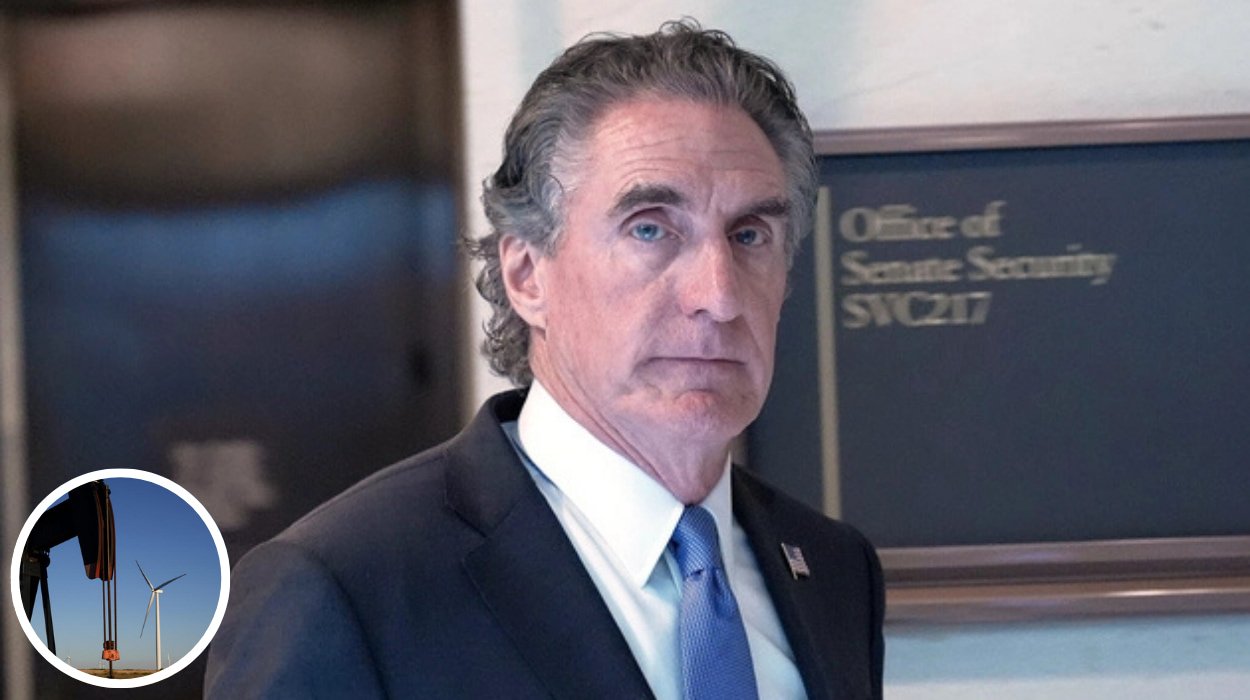

Summary
- Interior
Secretary Doug Burgum will personally approve all wind and solar projects. - This
policy marks a major shift in federal renewable energy approvals. - The
change could slow project timelines and increase scrutiny. - It
impacts developers, investors, policymakers, and environmental groups. - The
decision balances environmental, economic, and political concerns.
This
new directive places unprecedented authority in the hands of Interior Secretary
Doug Burgum, signaling a tightened federal oversight on renewable energy
projects. By requiring his personal approval, the administration aims to
carefully evaluate the implications of wind and solar developments on public
lands and communities, while addressing the competing priorities tied to
environmental protection and sustainable growth. This decision is poised to
reshape how quickly and efficiently renewable infrastructure advances
nationwide.
What is the new role of Interior Secretary Burgum regarding
wind and solar projects?
The Interior Department has announced that Interior
Secretary Burgum must personally approve all wind and solar projects before
they can proceed. This directive places the responsibility for review and
authorization at the highest level within the department, rather than
delegating it through lower-level officials or agencies. The move is
unprecedented and could reshape the approval process for renewable energy
infrastructure across the United States.
Why has this change been implemented?
While official detailed reasoning from Interior Secretary
Burgum or the Department of the Interior has yet to be fully disclosed in the
public domain, several factors generally influence such administrative
decisions. These could include concerns about the environmental impact
of large-scale wind and solar installations, land use priorities, economic
implications for communities, and political pressures. By centralizing
approval power, the administration may aim to ensure closer scrutiny and align
projects with broader policy goals.
How might this impact the renewable energy sector?
The personal approval requirement could lead to longer
review times, more rigorous evaluations, and potentially fewer greenlighting
decisions for wind and solar projects. This may slow the pace
of renewable infrastructure development at a time when many
stakeholders are pushing for accelerated clean energy transitions. Investors
and developers might face increased uncertainty or administrative burdens,
influencing project planning and financial risk assessments.
Who will be affected by Interior Secretary Burgum’s new
approval authority?
Multiple parties will feel the effects of this policy shift:
- Renewable
energy developers and investors, who will need to navigate a
potentially more stringent approval process. - Communities
and environmental groups, who may see increased opportunities for
their concerns to be heard or need to engage more directly with the
department. - Policy
makers and industry regulators, who will need to adapt to new
timelines and oversight mechanisms.
This adjustment underscores the critical role the Interior
Department plays in managing natural resources and balancing environmental,
economic, and social interests.
What is the broader context surrounding this decision?
Recent coverage of energy policy announcements reflects an
ongoing national dialogue about achieving energy security, combating climate
change, and managing natural resources responsibly. While rapid expansion of
renewables is often championed to reduce carbon emissions, there are competing
considerations involving land rights, ecological preservation, and
local community impacts.
How Are Industry Stakeholders Responding to the Policy
Shift?
The renewable energy sector, including wind and solar
developers, has responded to the new approval mandate with a mix of caution and
concern. According to coverage from multiple outlets, industry groups and
environmental advocates are closely assessing how the requirement for personal
sign-off by Interior Secretary Doug Burgum could affect project timelines and
investment confidence. Many stakeholders have expressed apprehension about
potential slowdowns for infrastructure already in the pipeline, citing the need
for predictability and streamlined processes to meet clean energy targets. At
the same time, some policy experts note that increased scrutiny could help
ensure that projects are better aligned with both community interests and
ecological stewardship, possibly setting higher standards for site selection
and environmental review.
What statements have been made by officials or experts?
As of now, there are no direct quotes available from
Interior Secretary Burgum or other officials explicitly explaining the
rationale or anticipated outcomes of this new policy. Media outlets covering
energy policy changes highlight the significance of this
direct-personal-approval approach, emphasizing its potential to reconfigure
the decision-making landscape in federal renewable energy project approvals.
As the Interior Department implements this policy,
stakeholders across the energy sector will closely monitor its effects on
project approvals and timelines. While the move reflects a cautious approach to
balancing clean energy goals with environmental and economic considerations, it
also introduces new uncertainty for developers and investors seeking to
navigate federal regulations. Interior Secretary Burgum’s direct involvement
underscores the high stakes and complexity of advancing renewable energy in today’s
political and environmental landscape.