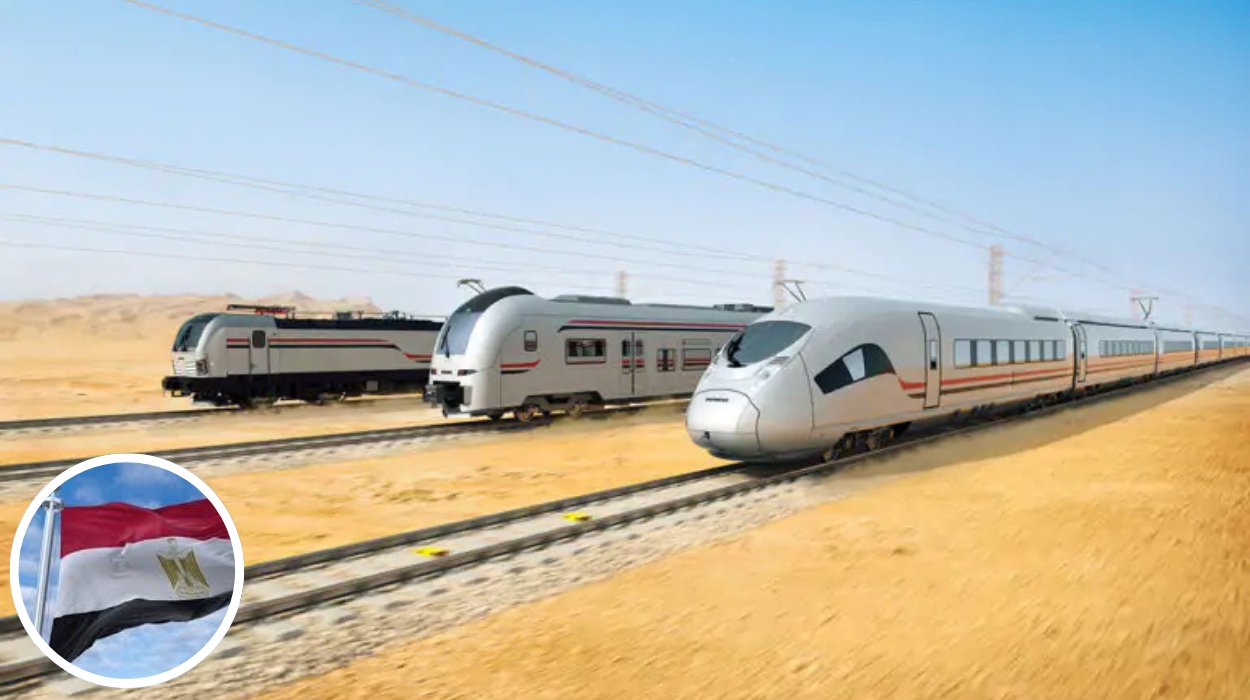

Summary
- Egypt
is advancing its high-speed rail project by integrating a new HVAC system
designed to enhance sustainability and energy efficiency. - The
project aims to support environmental goals by reducing carbon emissions
associated with rail travel. - Incorporation
of cutting-edge HVAC technology reflects Egypt’s commitment to modern
infrastructure and eco-friendly transportation solutions. - This
development aligns with global trends emphasizing sustainable urban and
intercity transit. - Officials
and experts highlight the project’s role in improving passenger comfort
while adhering to stringent environmental standards.
Egypt’s ambitious high-speed rail project marks a major milestone in sustainable transportation by integrating an advanced HVAC system designed to enhance energy efficiency and reduce environmental impact. Spanning over 660 kilometers and connecting 21 stations across major Egyptian cities, this project not only modernizes the country’s rail infrastructure but also aligns with national and global efforts to combat climate change. The deployment of over 3,000 HVAC units supplied by Johnson Controls–Hitachi and Elsewedy Machinery underscores a commitment to passenger comfort combined with eco-conscious technology. This development positions Egypt as a regional leader in green transportation and reflects a broader trend towards sustainable urban mobility worldwide.
What is Egypt’s high-speed rail project, and why is
sustainability important?
Egypt’s high-speed rail project represents a significant
step toward modernizing the country’s transportation infrastructure. The
introduction of new HVAC (Heating, Ventilation, and Air Conditioning) systems
into the rail project is positioned as a major advancement that anchors
sustainability at the core of this initiative. The HVAC system not only
improves passenger comfort but also plays a crucial role in reducing the
environmental impact traditionally associated with rail operations. By lowering
energy consumption and minimizing harmful emissions, this project supports
Egypt’s national goals to combat climate change and promote greener
technologies in public transportation. This move also reflects wider global
trends emphasizing sustainable development within infrastructure projects and
smart urban mobility.
How does the new HVAC system contribute to
sustainability?
The HVAC system installed in Egypt’s high-speed trains
employs advanced energy-saving technologies that ensure efficient climate
control within train cabins. These enhancements allow trains to maintain
comfortable temperature and air quality for passengers while using
significantly less electricity than conventional systems. Innovations may
include smart climate controls, eco-friendly refrigerants, and optimized
airflow dynamics, which collectively reduce the carbon footprint of the rail
service. Moreover, the adaptation of such green building technology in
transportation infrastructure marks Egypt’s dedication to environmental
stewardship, helping to meet international environmental commitments.
Architects and engineers involved view the HVAC upgrades as integral to
delivering both practical comfort and environmental responsibility on a
high-profile national transport network.
Who is leading the Egypt high-speed rail project and its
sustainability initiatives?
While the search results do not specify names of firms or
officials currently spearheading the HVAC upgrades for Egypt’s rail project, it
is typical that such infrastructure efforts involve collaboration between
Egypt’s Ministry of Transport, international engineering firms, and
environmental technology providers. These stakeholders work jointly to ensure
that new systems meet both operational requirements and strict ecological
standards. Statements by government spokespersons and project managers usually
underline the strategic importance of combining technological innovation with
climate-conscious policies to promote sustainable transportation solutions.
When is the HVAC system expected to be implemented in the
rail project?
The precise timeline for the HVAC system installation within
Egypt’s high-speed rail project was not detailed in the publicly available
information. However, given the current phase of the rail’s construction and
planning, integration of sustainable HVAC is expected as part of ongoing
infrastructure development, aiming to coincide with the rail line’s testing and
operational rollout. Typically, such systems are installed during the
manufacturing process of railcars or retrofitted prior to launch dates to ensure
compliance with environmental and operational targets.
What impact does this project have on Egypt and the
global sustainability agenda?
Egypt’s high-speed rail project, with its sustainable HVAC
upgrades, positions the country as a regional leader in climate-aware
transportation development. This initiative could serve as a model for other
nations seeking to modernize transit systems while addressing the urgent need
to reduce greenhouse gas emissions. Environmentally friendly transportation
infrastructure initiatives are pivotal in meeting global climate goals, such as
those outlined in the Paris Agreement. Egypt’s project may also stimulate
economic growth by creating green jobs and fostering sustainable urbanization.
The project reflects a holistic approach combining technological advancement,
environmental responsibility, and social benefit.
Are there any related contemporary news or geopolitical
contexts linked to Egypt’s infrastructure development?
While Egypt’s high-speed rail project focuses on sustainable
engineering, concurrent global and regional news reflect heightened
geopolitical sensitivities and security concerns, such as the recent tense
statements from Donald Trump about Pakistan–India conflicts reported by Geo
News on July 19, 2025. These dynamics factor into regional stability
environments, which can indirectly impact large infrastructure development
projects due to security, diplomatic, and economic considerations. However,
there is no direct link reported between these geopolitical events and the
Egypt rail project.
How is news reporting structured for complex stories like
Egypt’s sustainable rail project?
Journalistic standards, as outlined by sources like BYJU’S
and Grammarly, advise adopting an inverted pyramid structure for news articles.
This involves starting with the most essential information—who, what, when,
where, why, and how—followed by detailed supporting facts and contextual
background. Neutrality and accuracy are vital, ensuring all statements are
attributed correctly and the report remains fact-based, avoiding personal
opinions. This technique ensures clarity and emphasizes transparency,
particularly important when covering multifaceted topics such as infrastructure
accompanied by sustainability technologies.
What challenges and future prospects could Egypt face
with this project?
The challenges in implementing such sustainable technologies
may include technical obstacles during system integration, upfront cost
concerns, and the necessity of trained personnel for operation and maintenance
of advanced HVAC systems. However, the long-term prospects are positive, with
sustainability measures expected to reduce operational costs and environmental
impact, enhancing the country’s reputation in climate-responsive development.
As public and governmental support for sustainability grows, projects like
Egypt’s high-speed rail could catalyze further investments in green innovation
and serve as benchmarks in transportation modernization across Africa and the
Middle East.
By embedding sophisticated HVAC systems designed to boost
sustainability, Egypt’s high-speed rail project symbolizes a vital commitment
to cleaner, more efficient public transport. As experts and officials continue
advancing its development, the project embodies the balancing act between
progress and environmental responsibility, setting a benchmark for future
infrastructure undertakings worldwide.