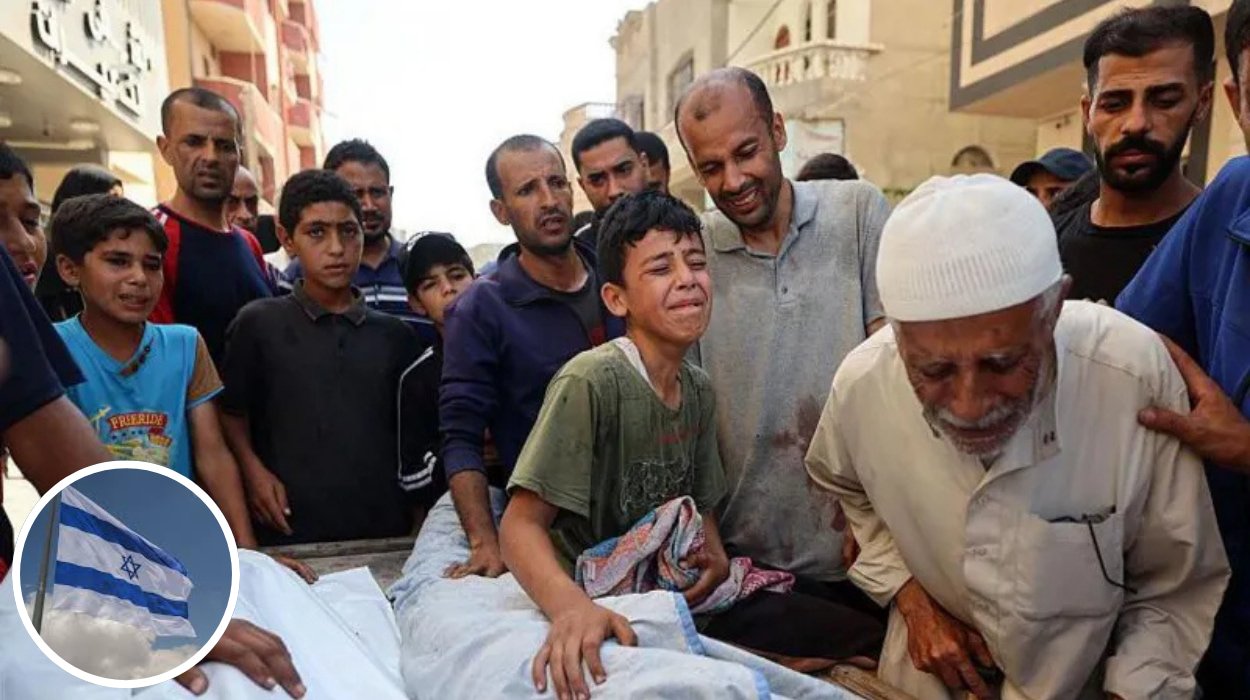

Key Points
- Gaza
health officials report that children were killed in an Israeli airstrike on
Monday, July 14, 2025, intensifying the humanitarian crisis in the region. - The
Israeli military has acknowledged an “error” in the strike, a rare
admission amid ongoing international scrutiny of its operations in Gaza. - The
incident comes amid a period of heightened violence and ongoing ceasefire
negotiations between Israel and Hamas, with global leaders urging
restraint and accountability. - The
exact number of children killed and the total casualties remain contested,
with Gaza officials citing higher figures than those confirmed by Israeli
sources. - International
organizations and human rights groups have condemned the attack,
calling for independent investigations and greater protection for
civilians. - The
Israeli military stated that the strike was intended for a militant target
but resulted in unintended civilian casualties, attributing the error
to faulty intelligence. - The
incident has sparked renewed debate over Israel’s military tactics and the
broader conduct of the conflict, with calls for adherence to
international humanitarian law. - The
United Nations and several governments have issued statements urging both
sides to avoid further escalation and to prioritize the
protection of non-combatants, especially children. - This
development follows a series of deadly incidents in Gaza, with the
civilian death toll rising and humanitarian conditions deteriorating
rapidly.
In a tragic escalation of the ongoing conflict in Gaza,
local health officials reported on Monday that several children were killed in
an Israeli airstrike, an incident the Israel military has since acknowledged
as a grave “error.” The rare admission has intensified international scrutiny
and reignited urgent calls for accountability and civilian protection as
ceasefire talks continue.
How Did Gaza Officials and the Israeli Military Respond?
According to Gaza health authorities, the airstrike struck a
residential area, resulting in the deaths of multiple children and additional
civilian casualties. As reported by Democracy Now!, Gaza officials stated that
the attack occurred amid a period of heightened violence, with families seeking
shelter and safety as hostilities persisted. The health ministry in Gaza
released a statement condemning the strike and calling for international
intervention to halt what they described as “indiscriminate” attacks on
civilian areas.
The Israeli military, in an unusual move, publicly
acknowledged responsibility for the incident, citing an “error” in the
targeting process. Military spokespersons stated that the intended target was a
suspected militant operative, but due to faulty intelligence or technical
failure, the strike instead hit a location where civilians, including children,
were present. The military expressed regret for the loss of innocent life and
announced an internal review to determine the cause of the error.
How Many Children Were Killed, and What Are the Sources
Saying?
Gaza health officials reported that at least several
children were among the dead, though the exact number remains disputed. As
noted by Democracy Now!, the figures released by Gaza authorities often differ
from those provided by Israeli sources, reflecting the challenges of verifying
information in an active conflict zone. International media outlets,
including CNN and The New York Times, have highlighted the difficulty in
obtaining independent confirmation of casualty figures due to restricted access
and ongoing hostilities.
What Led to the Strike, and What Is the Military’s
Explanation?
In statements attributed to Israeli military officials and
reported by multiple outlets, the military explained that the strike was part
of an ongoing campaign targeting militant infrastructure in Gaza. However, a
breakdown in the intelligence-gathering process led to the misidentification of
the target, resulting in civilian casualties. The Israeli military’s admission
of error is notable, as such acknowledgments are rare and often come amid
mounting international pressure.
As reported by Democracy Now!, the military pledged to
conduct a thorough investigation and to implement measures aimed at preventing
similar incidents in the future. The spokesperson reiterated Israel’s
stated commitment to minimizing civilian harm, while also emphasizing the
challenges posed by militant groups operating within densely populated areas.
How Have Human Rights Groups and Governments Responded?
The incident has drawn swift condemnation from international
organizations and human rights groups. The United Nations issued a statement
urging all parties to respect international humanitarian law and to take all
feasible precautions to protect civilians, particularly children. Several
governments, including those of the United States and European Union member
states, called for an independent investigation and stressed the need for
accountability.
Human rights organizations such as Amnesty International and
Human Rights Watch reiterated their longstanding concerns about the conduct of
hostilities in Gaza, warning that repeated incidents of civilian harm could
constitute violations of international law. As reported by The New York Times,
diplomatic efforts to broker a ceasefire have been complicated by such
incidents, with negotiators facing increased pressure to secure guarantees for
civilian protection.
How Does This Incident Fit Into the Ongoing Violence in
Gaza?
The airstrike comes amid a broader escalation of violence in
Gaza, where repeated cycles of conflict have resulted in significant civilian
casualties and widespread destruction. As highlighted by Democracy Now!, the
humanitarian situation in Gaza has deteriorated sharply, with families
displaced by fighting and essential services under severe strain. The
latest incident has further fueled debate over Israel’s military tactics and
the broader conduct of the conflict, with critics arguing that the risks to
civilians remain unacceptably high.
Ceasefire talks, mediated by international actors, have so
far failed to produce a lasting resolution. Both sides accuse each other of
violating previous agreements, and the cycle of violence shows little sign of
abating. The Israeli military maintains that it takes extensive precautions to
avoid civilian casualties, but incidents like the recent airstrike have raised
questions about the effectiveness and sufficiency of these measures.
Will There Be an Independent Investigation?
Calls for an independent investigation into the airstrike
have grown louder in the wake of the Israeli military’s admission of error.
International bodies, including the United Nations and the International
Criminal Court, have mechanisms for investigating potential violations of
humanitarian law, though such processes are often hampered by political and
practical obstacles.
The Israeli military has announced an internal review, but
human rights groups and some governments argue that only an independent,
transparent investigation can ensure accountability and justice for the
victims. As reported by Democracy Now! and other outlets, the outcome of such
inquiries will be closely watched by the international community and may
influence the course of future ceasefire negotiations.
What Is the Human Impact on the Ground?
For families in Gaza, the immediate aftermath of the
airstrike has been one of grief and anger. Local media and international
correspondents describe scenes of devastation, with relatives mourning lost
children and communities rallying to support survivors. Humanitarian
organizations have mobilized to provide medical care, psychological support,
and emergency relief, but resources are stretched thin amid ongoing violence
and access restrictions.
As reported by Democracy Now!, the psychological toll on
children and families in Gaza is profound, with repeated exposure to violence
leaving lasting scars. Aid agencies continue to call for unimpeded access
to affected areas and for increased international support to address the urgent
needs of civilians.
Can the Violence Be Stopped?
The latest tragedy has underscored the urgent need for a
durable ceasefire and a comprehensive political solution to the conflict.
International mediators are working to revive stalled negotiations, but deep
mistrust and recurring violence have made progress elusive. As noted by The New
York Times, the path to peace remains fraught with challenges, and incidents
like the recent airstrike risk derailing fragile diplomatic efforts.
The coming days will be critical as the Israeli military
conducts its internal review and as international actors push for
accountability and renewed dialogue. The families affected by the strike, and
the broader population of Gaza, continue to bear the brunt of a conflict that
has claimed too many innocent lives.