
Key Points
- European
stock markets experienced a significant decline following new tariff
threats issued by U.S. President Donald Trump targeting the
European Union and Mexico. - The
tariff threats have escalated trade tensions, exacerbating uncertainty in
global markets. - The
International Labour Organization (ILO) warns that tariff uncertainties
could undermine UN-backed labor standards in garment factories worldwide. - The
situation adds to a series of geopolitical and economic challenges facing
Europe, including rising defense concerns over Russia as highlighted by
French President Emmanuel Macron. - The
broader context includes ongoing humanitarian crises and global health
issues, but the immediate market reaction centers on trade policy
instability.
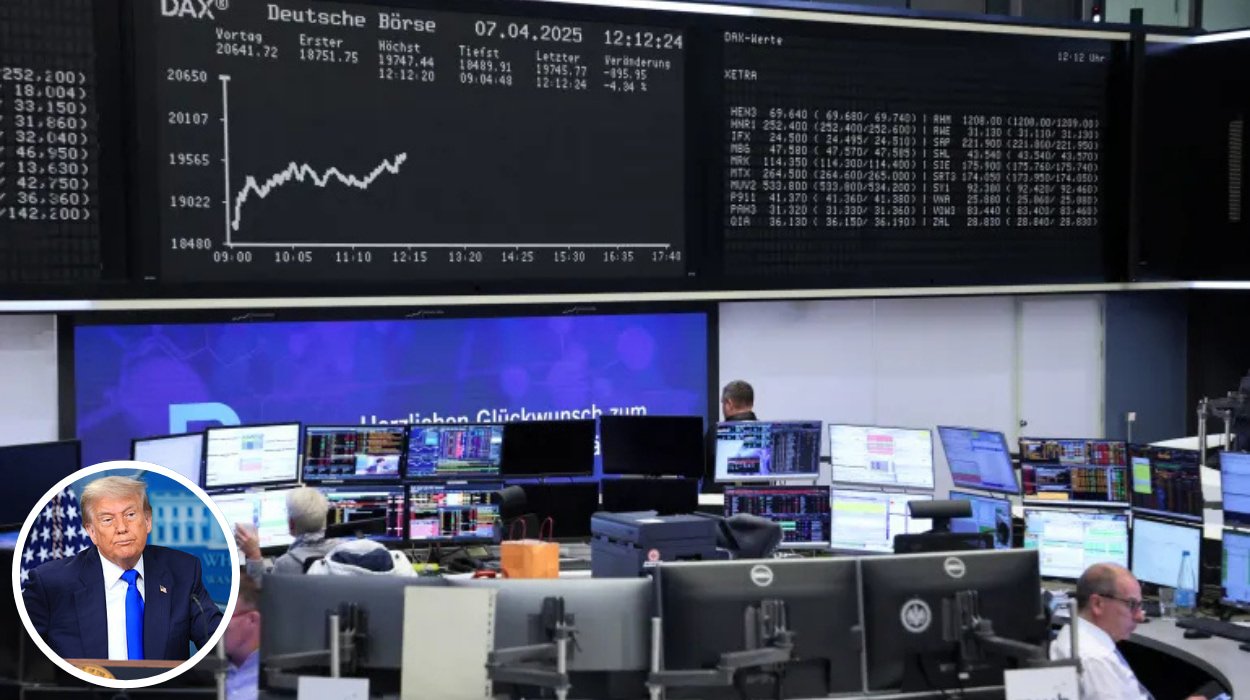
European stock markets experienced a noticeable decline on Monday as investors reacted to President Donald Trump’s announcement of potential 30% tariffs on imports from the European Union and Mexico, set to take effect August 1. The Stoxx Europe 600 index fell by 0.3 percent amid concerns over the economic impact on key sectors such as automobiles, steel, and pharmaceuticals. German Chancellor Friedrich Merz warned that such tariffs would severely affect German exporters. Despite the market drop, analysts noted a relatively muted reaction, with expectations that actual tariffs might settle at lower levels around 10 to 25 percent. The tariff threats have reignited worries about the euro area’s economic outlook and contributed to increased volatility in both European and U.S. futures markets.
What Happened to Europe’s Stock Markets and Why?
As reported by multiple sources, Europe’s stock markets
dropped sharply amid renewed tariff threats from Donald Trump against the
European Union and Mexico. This development has rattled investors, who fear
escalating trade conflicts could disrupt economic growth and global supply
chains. The tariff threats come at a time when markets are already sensitive to
geopolitical tensions and economic uncertainties.
The exact timing of the market drop aligns with Trump’s
public statements threatening tariffs, which have historically led to
volatility in international markets. The threats specifically target key
trading partners in Europe and North America, raising concerns about
retaliatory measures and prolonged trade disputes.
How Are Tariff Threats Impacting Global Labor Standards?
The International Labour Organization (ILO) has issued
warnings that the uncertainty surrounding tariffs could have a detrimental
effect on labor conditions globally. According to a report by UN News, garment
factories committed to implementing UN-backed labor standards may halt
investments aimed at improving working conditions due to the unpredictability
of tariff levels. This could reverse progress made in labor rights and
workplace safety, especially in developing countries heavily reliant on garment
exports.
What Other Geopolitical Issues Are Influencing European
Markets?
The tariff threats are occurring against a backdrop of
heightened geopolitical tensions in Europe. French President Emmanuel Macron
recently announced plans to boost France’s defense spending in response to
perceived threats from Russia. Macron’s call for NATO unity and increased
military budgets underscores the broader security concerns that are
contributing to market unease.
The combination of trade tensions and security worries
creates a complex environment for investors and policymakers alike, with Europe
caught between economic and defense challenges.
How Are These Developments Connected to Broader Global
Issues?
While the immediate focus is on tariffs and market
reactions, other global issues are also influencing the economic landscape. UN
agencies have highlighted a looming collapse in humanitarian operations in Gaza
due to fuel shortages, which threatens regional stability. Additionally, the
World Health Organization (WHO) has recently recommended new HIV prevention
measures, reflecting ongoing public health efforts amid strained global
resources.
These diverse challenges illustrate the interconnectedness
of trade, security, humanitarian, and health issues in shaping the global
economic outlook.
What Could Be the Potential Consequences of These Tariff
Threats?
The renewed tariff threats by Trump could trigger a chain
reaction of retaliatory trade measures, further disrupting international
commerce. Markets may face prolonged volatility, and industries dependent on
cross-border supply chains, such as automotive and textiles, could suffer
significant setbacks.
Moreover, the risk to labor standards as highlighted by the
ILO suggests that economic uncertainty could have social repercussions,
particularly in vulnerable manufacturing sectors. Policymakers will need to
navigate these challenges carefully to avoid exacerbating economic and social
instability.
What Are Experts Saying About the Situation?
While direct quotes from specific experts were not available
in the current sources, the collective reporting from UN News, Geo News, and
other outlets indicates a consensus that the tariff threats are a destabilizing
factor. The International Labour Organization’s cautionary statements reflect
concern from the international community about the broader implications of
trade policy uncertainty.
French President Macron’s defense spending announcement
further signals that European leaders are bracing for multifaceted risks,
including economic and security threats.
What Is the Outlook for Europe’s Economy and Markets?
Given the current trajectory, Europe’s economic outlook
faces significant headwinds. The combination of trade tensions, security
concerns, and global crises may dampen investor confidence and slow growth.
However, coordinated policy responses, including NATO unity and potential
diplomatic efforts to ease trade conflicts, could mitigate some risks.
Investors and analysts will be closely monitoring
developments in U.S. trade policy, European defense initiatives, and global
humanitarian conditions to assess future market directions.