
Key Points
- Israeli
Prime Minister Benjamin Netanyahu visited the United States and
met with key congressional leaders in Washington, D.C. - The
visit comes as the conflict in Gaza continues, with recent Israeli
airstrikes resulting in significant Palestinian casualties, including
nearly 100 deaths on Monday alone, according to Democracy Now!. - Netanyahu’s
meetings are occurring amid heightened scrutiny from the international
community over Israel’s military actions in Gaza and recent operations in
Iran. - Congressional
discussions reportedly focused on Israel’s military strategy, U.S.
military aid, and the prospects for a ceasefire. - Iran’s
government remains critical of both Israeli and U.S. actions, particularly
following attacks on Tehran’s Evin Prison and nuclear sites. - The
humanitarian situation in Gaza remains dire, with ongoing calls for
increased aid and a halt to hostilities. - No
major policy shifts or breakthroughs were announced following the
meetings.
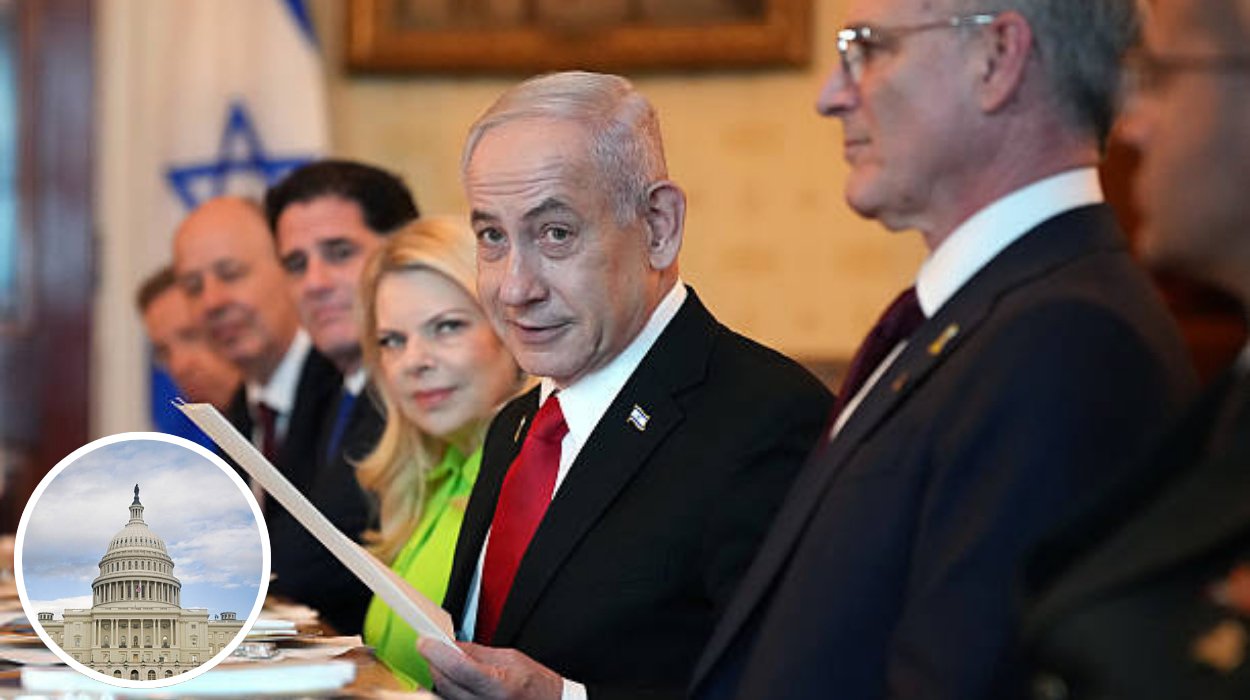
Israeli Prime Minister Benjamin Netanyahu’s visit to
Washington, D.C., this week placed the ongoing Gaza conflict and U.S.-Israel
relations at the center of American political discourse, as he met with leading
members of Congress amid mounting international concern over the humanitarian
crisis in Gaza.
What Prompted Netanyahu’s Visit to the United States?
Netanyahu’s trip to Washington comes during one of the most
volatile periods in the Middle East in recent years. As reported by the PBS
NewsHour team, the Israel leader’s meetings with congressional leaders were
scheduled against the backdrop of ongoing Israeli military operations in Gaza,
which have drawn intense scrutiny from both U.S. lawmakers and the
international community. According to Amy Goodman of Democracy Now!,
Israeli airstrikes killed nearly 100 Palestinians on Monday, including 39
people in a single attack on a residential area.
Who Did Netanyahu Meet in Congress and What Was Discussed?
As covered by the PBS NewsHour segment on July 8, 2025,
Netanyahu held closed-door talks with both Republican and Democratic leaders of
Congress. While official readouts were limited, sources familiar with the
meetings indicated that discussions centered on:
- Israel’s
military strategy in Gaza - The
status of U.S. military aid to Israel - Efforts
to broker a ceasefire - Concerns
about civilian casualties and humanitarian access
No major policy announcements were made following the
meetings, but congressional leaders reaffirmed the United States’ longstanding
commitment to Israel’s security, while also expressing concern over the rising
civilian death toll in Gaza.
How Did U.S. Lawmakers Respond to Netanyahu’s Visit?
Reactions from U.S. lawmakers were mixed. According to the
PBS NewsHour’s political analysis, Republican leaders reiterated their support
for Israel’s right to self-defense and emphasized the need for continued
military assistance. Democratic leaders, while also affirming support for
Israel, pressed Netanyahu on the need to minimize civilian casualties and allow
greater humanitarian access to Gaza.
In a statement reported by Amy Goodman for Democracy Now!,
some progressive members of Congress called for a temporary halt to U.S.
military aid until Israel agreed to a ceasefire and allowed unfettered
humanitarian access to affected areas.
What Is the Current Situation in Gaza?
The humanitarian crisis in Gaza continues to worsen. As
reported by Democracy Now!, Israeli airstrikes on Monday resulted in nearly 100
Palestinian deaths, including at least 39 people in a single bombing of a
residential area. Hospitals in Gaza are reportedly overwhelmed, and aid
organizations have warned of a looming catastrophe unless hostilities cease and
humanitarian corridors are established.
How Has Iran Responded to Recent Israeli and U.S. Actions?
Iran’s government has condemned recent Israeli actions,
particularly the attack on Tehran’s Evin Prison, which killed at least 71
people, according to Iranian officials cited by Democracy Now!. Iran also
rebuffed a request from International Atomic Energy Agency (IAEA) chief Rafael
Grossi to visit nuclear sites bombed by Israel and the U.S. last month. In a
statement, Iran’s foreign minister called the request “meaningless and possibly
even malign in intent.” Grossi, as reported by Democracy Now!, stated that the
U.S. attack on Iran failed to “obliterate” its nuclear program, contradicting
claims made by President Trump.
What Are the Prospects for a Ceasefire or Diplomatic
Breakthrough?
Despite ongoing diplomatic efforts, no ceasefire agreement
has been reached. Congressional leaders, according to PBS NewsHour, urged
Netanyahu to consider steps toward de-escalation, but the Israeli leader has
maintained that military operations will continue until Hamas’s military
capabilities are severely degraded.
International mediators, including the United Nations and
regional powers, continue to push for a negotiated ceasefire, but progress has
been slow amid mutual distrust and ongoing violence.
How Has the International Community Reacted?
The international response has been characterized by growing
alarm over the humanitarian situation in Gaza. Aid organizations and human
rights groups have called for an immediate ceasefire and increased humanitarian
access. The United Nations has urged both sides to exercise restraint and
prioritize the protection of civilians.
Meanwhile, as reported by Amy Goodman for Democracy Now!,
the broader regional context remains tense, with Iran’s nuclear program and
recent military actions adding to the instability.
What Happens Next?
Netanyahu’s visit to Washington underscores the enduring
importance of the U.S.-Israel relationship, but also highlights the growing
challenges facing both governments as they navigate a complex and rapidly
evolving crisis. With no clear end in sight to the conflict in Gaza, the focus
remains on diplomatic efforts to secure a ceasefire and address the urgent
humanitarian needs of the civilian population.
As the situation develops, both the Biden administration and
congressional leaders are expected to continue engaging with Israeli officials,
regional partners, and international organizations in search of a path toward
peace.