
Key Points
- South
Korea’s judiciary has scheduled a hearing for July 9, 2025, to consider a
detention warrant for former President Yoon. - The
move follows a series of high-profile investigations into alleged
misconduct during Yoon’s administration. - The
hearing will determine whether Yoon will be detained pending further legal
proceedings. - This
case marks a significant moment in South Korea’s ongoing efforts to
address political accountability and corruption. - Legal
experts and political analysts are closely watching the proceedings for
potential impacts on the nation’s political landscape. - No
official statement from Yoon or his legal team has been released regarding
the upcoming hearing. - Public
reaction in South Korea is mixed, reflecting deep political divisions. - The
court’s decision could set a precedent for handling cases involving former
heads of state.
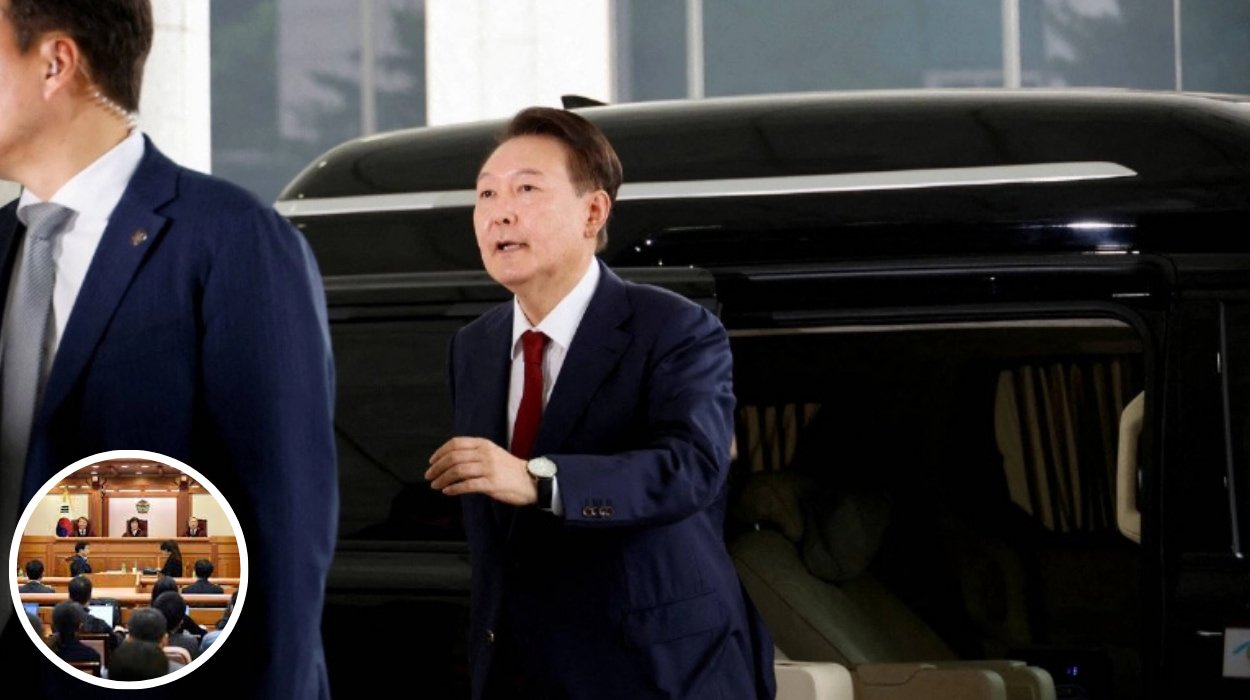
South Korea’s judiciary has announced that a critical
hearing to determine whether former President Yoon will be detained pending
further legal action will take place on July 9, 2025. The decision comes amid
ongoing investigations into alleged misconduct during Yoon’s tenure, signaling
a pivotal moment in the country’s approach to political accountability.
What Led to the Detention Warrant Request for Former
President Yoon?
Background of the Legal Proceedings
As reported by multiple South Korea media outlets, the
request for a detention warrant against former President Yoon follows months of
investigation into allegations of abuse of power and corruption during his
administration. The specific charges have not been made public, but sources
familiar with the case indicate that prosecutors are examining a range of
actions taken by Yoon and his associates while in office.
Legal analysts note that the decision to seek a detention
warrant for a former president is rare and underscores the seriousness of the
allegations. South Korea has a history of holding former leaders accountable,
but each case is closely scrutinized for its legal and political implications.
Timeline of Events Leading Up to the Hearing
- Early
2025: Allegations of misconduct during Yoon’s presidency begin to
surface, prompting preliminary inquiries by law enforcement. - Spring
2025: Formal investigations are launched, with prosecutors
gathering evidence and interviewing key witnesses. - Late
June 2025: Prosecutors file a request for a detention warrant,
citing concerns about potential evidence tampering or flight risk. - July
7, 2025: The court announces a hearing date for July 9, 2025, to
consider the warrant.
How Has Former President Yoon Responded to the Allegations?
As of the current reporting, neither Yoon nor his legal team
has issued a formal statement regarding the upcoming hearing or the allegations
at the center of the investigation. Observers note that this silence is not
unusual in high-profile legal cases in South Korea, where defendants often
refrain from public comment until after initial court proceedings.
Political allies of Yoon have called for due process and
cautioned against what they describe as a rush to judgment. Critics, however,
argue that the legal system must act decisively to uphold the rule of law,
regardless of the individual’s former office.
What Are the Legal and Political Implications of the
Hearing?
Potential Impact on South Korean Politics
The upcoming hearing has already sparked intense debate
within South Korea’s political circles. According to analysts cited by national
broadcasters, the case could have far-reaching consequences for the country’s
political landscape. If the court grants the detention warrant, it would mark a
significant escalation in the investigation and could influence public
perceptions of political accountability.
Legal experts emphasize that the court’s decision will be
closely watched as a test of the judiciary’s independence and the robustness of
South Korea’s legal institutions. The outcome could also set a precedent for
how similar cases are handled in the future.
Public Reaction and Political Divisions
Reporting from Seoul indicates that public opinion is
sharply divided. Supporters of Yoon view the investigation as politically
motivated, while opponents argue that no one should be above the law. Social
media platforms and news comment sections reflect a wide spectrum of views,
underscoring the deep political divisions in South Korean society.
What Happens Next in the Legal Process?
The July 9 Hearing: What to Expect
During the July 9 hearing, the court will hear arguments
from both prosecutors and Yoon’s defense team. Prosecutors are expected to
present evidence supporting their request for detention, including any concerns
about obstruction of justice or risk of flight. The defense will likely argue
that Yoon poses no such risks and should be allowed to remain free pending
trial.
Legal observers anticipate that the court’s decision could
be announced as early as the same day, though complex cases sometimes require
additional deliberation.
Possible Outcomes
- Yoon would be taken into custody immediately and held
pending further investigation and possible indictment. - Yoon would remain free but could still face trial if
prosecutors proceed with formal charges.
How Does This Case Compare to Previous Investigations of
Former South Korean Leaders?
South Korea has a history of prosecuting former presidents
for alleged misconduct. Notably, former presidents Park Geun-hye and Lee
Myung-bak were both convicted and imprisoned on corruption charges in recent
years. Each case has tested the country’s commitment to legal accountability
and has had significant political repercussions.
Legal scholars note that the Yoon case, while unique in its
specifics, fits within a broader pattern of South Korea’s efforts to address
corruption at the highest levels of government.
What Are the Broader Implications for Rule of Law in South
Korea?
The decision to hold a hearing on a detention warrant for a
former president is seen by many as a sign of South Korea’s evolving democracy
and its commitment to the rule of law. International observers will be watching
closely to see whether the proceedings are conducted transparently and in
accordance with due process.
Political analysts suggest that the case could influence
future administrations’ approach to governance and accountability, reinforcing
the principle that all public officials are subject to the law.