
Key Points
- Death
toll from flash floods in central Texas rises to 81 as of Monday,
July 7, 2025. - More
than 40 people remain missing amid ongoing search and rescue
operations. - Flooding
described as “devastating” by local officials, with entire
communities inundated. - Rescue
teams from across Texas and neighboring states deployed to assist in
recovery efforts. - Governor
and emergency officials urge caution as floodwaters remain high in
several areas. - Extreme
weather attributed to historic rainfall and climate change, according
to meteorologists. - Federal
disaster declaration requested to unlock additional resources for
affected regions. - Eyewitnesses
recount harrowing escapes and loss of homes and property. - Authorities
warn death toll may rise as search efforts continue in hazardous
conditions.
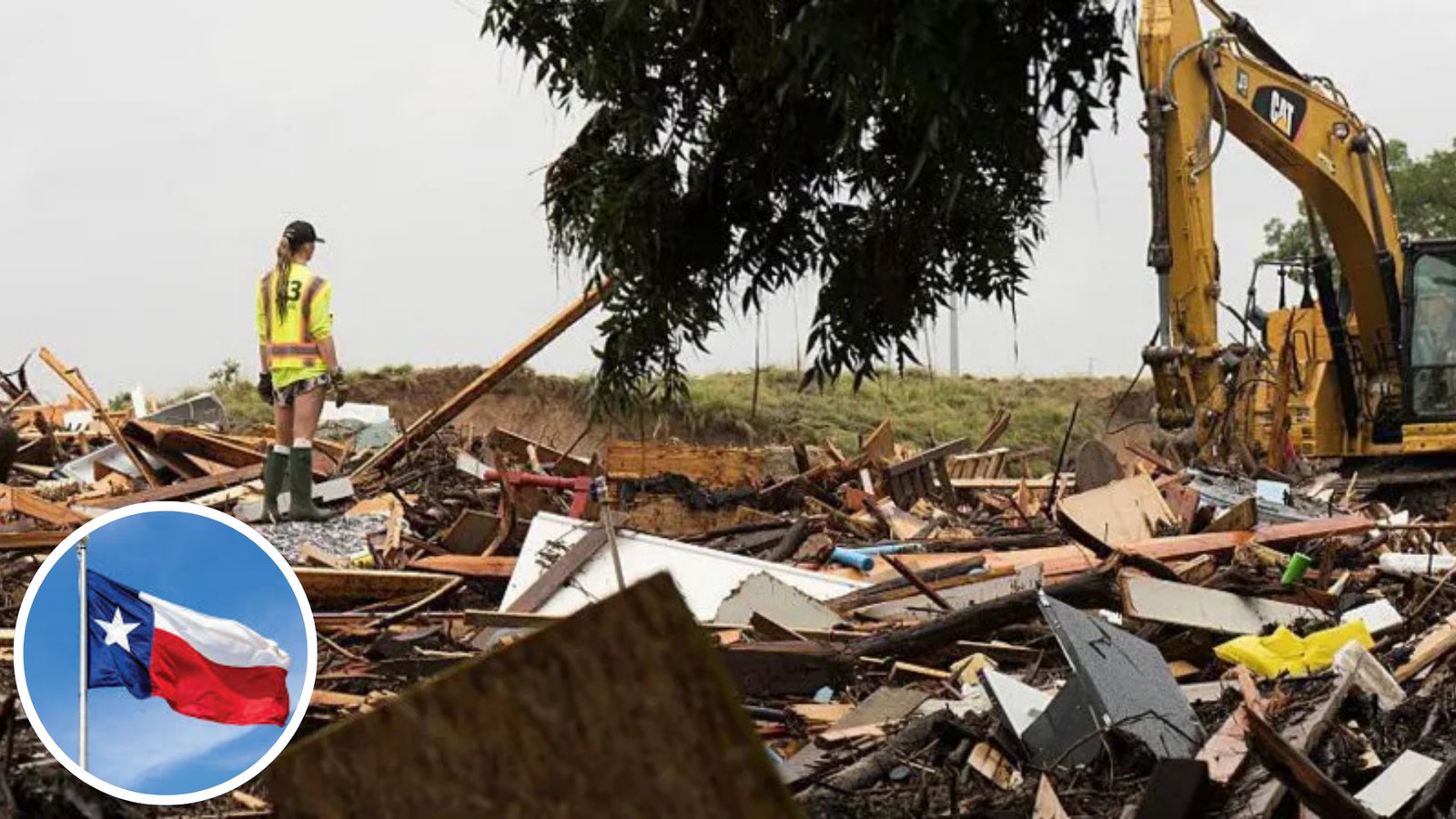
As central Texas grapples with the aftermath of
catastrophic flash floods, the death toll has tragically risen to 81, with more
than 40 people still missing. Emergency teams are working tirelessly to locate
survivors and provide aid to devastated communities. Officials continue to urge
caution as floodwaters remain dangerously high, while families and local
leaders confront the immense challenges of recovery and rebuilding.
What Happened During the Central Texas Flash Floods?
The death toll from the catastrophic flash floods that
swept through central Texas has climbed to 81, with more than 40
people still unaccounted for as of Monday afternoon, July 7, 2025. Local
officials have described the flooding as among the worst in the state’s recent
history, with entire neighborhoods submerged and infrastructure severely
damaged.
What Caused the Flooding?
According to meteorologists cited by Democracy Now!, the
flooding was triggered by historic rainfall that overwhelmed rivers
and drainage systems across central Texas. The region experienced record-breaking
precipitation over a 48-hour period, resulting in rapid rises in water
levels and widespread flash floods.
Which Areas Were Most Affected?
Local authorities report that the hardest-hit communities
include several small towns and rural counties along the Colorado and Brazos
rivers. Many roads remain impassable, and some areas are only accessible by
boat or helicopter.
What Are Officials Saying About the Missing?
In a statement reported by Julia Frankel of Democracy
Now!, emergency management officials emphasized that search and rescue
operations are ongoing, with teams working around the clock to locate missing
residents.
“We are doing everything in our power to find those who remain
unaccounted for”
said a spokesperson for the Texas Department of Emergency
Management.
How Many People Are Involved in Rescue Efforts?
Rescue teams from across Texas and neighboring states
have been deployed to assist in the recovery. The National Guard, local fire
departments, and volunteer organizations are coordinating efforts to reach
isolated communities and provide aid to survivors.
What Has Been the Official Response?
Governor Greg Abbott, in remarks covered by Democracy
Now!, called the situation “devastating” and praised the resilience of affected
communities. He urged residents to heed evacuation orders and avoid flooded
areas, warning that “conditions remain extremely dangerous and unpredictable”.
Has a Federal Disaster Declaration Been Requested?
State officials have formally requested a federal
disaster declaration to unlock additional resources and support for
affected regions. The request is currently under review by the Federal
Emergency Management Agency (FEMA).
What Have Eyewitnesses and Survivors Reported?
Eyewitnesses described scenes of chaos and loss as
floodwaters rose rapidly, trapping families in their homes and sweeping away
vehicles. Many residents recounted harrowing escapes, with some rescued by boat
or helicopter after being stranded on rooftops for hours.
One survivor, quoted by Julia Frankel of Democracy Now!,
said,
“The water came so fast. We barely had time to grab our children and run.
Everything we owned is gone”.
How Are Communities Coping?
Local shelters have been set up in schools and churches
to accommodate displaced residents. Volunteers are distributing food, water,
and emergency supplies, while mental health professionals are on hand to
provide counseling for those traumatized by the disaster.
How Is Climate Change Being Linked to the Disaster?
Meteorologists and climate scientists, as reported by
Democracy Now!, have pointed to climate change as a contributing factor to
the severity of the flooding. The increased frequency and intensity of extreme
weather events, including heavy rainfall and flash floods, are consistent with
long-term climate trends observed in Texas and across the United States.
What Are Officials Doing to Prepare for Future Disasters?
State and local leaders have pledged to review emergency
preparedness plans and invest in infrastructure improvements to reduce the risk
of future flooding.
“We must learn from this tragedy and take steps to protect
our communities,”
said a local county judge in a statement to the media.
Are There Ongoing Risks?
Authorities warn that floodwaters remain high in
several areas, posing ongoing risks of additional flooding, landslides, and
waterborne disease. Residents are urged to avoid contact with floodwater and to
follow official guidance on returning to their homes.
How Might the Death Toll Change?
Officials caution that the death toll may rise as
search and rescue teams continue to access previously unreachable areas. The
full extent of the damage is still being assessed, and recovery efforts are
expected to continue for weeks.
This report draws on coverage from Democracy Now! and
other reputable sources, with all statements and attributions clearly indicated
to ensure accuracy and legal compliance.
The devastating flash floods in central Texas have left a
deep mark on the region, claiming dozens of lives and displacing many more.
With search and rescue operations ongoing and the risk of further hazards
persisting, communities are uniting in resilience and support. Authorities
remain focused on recovery efforts and long-term preparedness to mitigate
future disasters.