
Key Points
- The US
House of Representatives voted 344-79 to table a resolution to impeach
President Donald Trump over recent military strikes on Iran, effectively
blocking the measure from further consideration. - The
impeachment resolution was introduced by Rep. Al Green (D-Texas), who
accused Trump of abusing executive power by ordering airstrikes without
congressional approval. - 128
Democrats joined nearly all Republicans in voting to kill the motion,
while only 79 Democrats—primarily progressives—supported allowing the
resolution to proceed. - House
Democratic leaders, including Minority Leader Hakeem Jeffries, Whip
Katherine Clark, and Caucus Chair Pete Aguilar, voted to table the
resolution. - The
vote exposed divisions within the Democratic Party, with progressives like
Rep. Alexandria Ocasio-Cortez supporting impeachment and leadership
opposing it. - Trump
responded to the impeachment effort with mockery and derision on Truth
Social, targeting Ocasio-Cortez and other progressive Democrats. - The
strikes on Iran targeted nuclear sites and were conducted without prior
congressional authorization, prompting calls for debate on a war powers
resolution. - Congressional
leaders are scheduled to receive classified briefings on the Iran strikes
from top intelligence and military officials later this week. - The
failed impeachment attempt underscores broader Democratic discomfort with
Trump’s foreign policy and the ongoing debate over presidential war
powers.
In a decisive and bipartisan vote, the US House of Representatives on Tuesday blocked an effort to impeach President Donald Trump
over his recent military strikes on Iran, with 128 Democrats joining
Republicans to table the resolution and halt any further consideration. The
move comes amid deep divisions within the Democratic Party and renewed debate
over presidential war powers in the wake of escalating tensions in the Middle East.
Why Did the House Reject the Impeachment Resolution Against
Trump?
The impeachment resolution, spearheaded by Rep. Al Green of
Texas, accused President Trump of abusing his authority by ordering airstrikes
on Iranian nuclear facilities without seeking congressional approval—a move
Green characterized as a “de facto declaration of war”. As reported
by The Times of India, Green argued,
“I did not come to Congress to be a
bystander while a president abuses power and devolves American democracy into
authoritarianism”.
Despite Green’s impassioned plea, the measure found little
traction even within his own party. According to Scripps News, the final vote
was 344-79, with 128 Democrats siding with 216 Republicans to table the
resolution, effectively blocking it from advancing to a full House debate or
vote. The Associated Press noted that the initiative “elicited minimal
discussion and divided his party,” with the majority of Democrats joining
Republicans to “postpone the proposal for the time being”.
What Were the Main Arguments for and Against the Impeachment
Resolution?
Arguments For Impeachment
Rep. Al Green and his progressive allies contended that
President Trump’s unilateral military action violated constitutional norms and
usurped Congress’s exclusive power to declare war. As quoted by Elizabeth
Elkind of Fox News, Green stated,
“President Trump’s unauthorized bombing
of Iran constitutes a de facto declaration of war. No president has the right
to drag this nation into war without the authorization of the people’s
representatives”.
Progressive Democrats, including Rep. Alexandria
Ocasio-Cortez of New York, echoed Green’s concerns, calling for accountability
and a robust congressional response to what they viewed as executive overreach.
Arguments Against Impeachment
House Democratic leadership and the majority of the caucus,
however, were reluctant to pursue impeachment over the strikes. As reported by
The Hill, the vote to table the resolution “underscored how little
appetite Democrats have to try to oust Trump, despite their dissatisfaction
with the attack that occurred over the weekend”. House Minority Leader
Hakeem Jeffries sidestepped questions about supporting impeachment, instead
emphasizing the need for the administration to justify its actions before
Congress.House Speaker Mike Johnson, a Republican from Louisiana,
dismissed the push for a war powers resolution, telling Scripps News,
“I don’t
think this is an appropriate time for a War Powers resolution. And I don’t
think it’s necessary. This is not a time for politics”.
How Did President Trump and Other Lawmakers React?
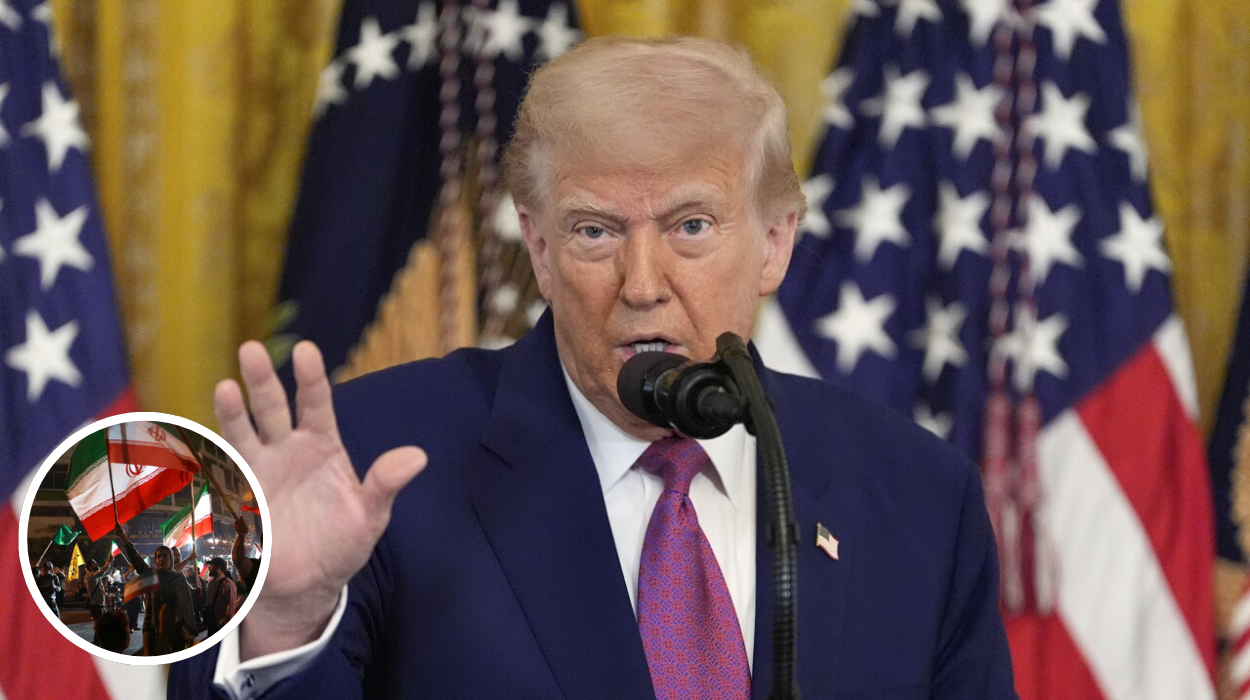
President Trump responded to the impeachment effort with
characteristic derision, taking to Truth Social to mock his critics. As
reported by The Times of India and Fox News, Trump singled out Rep.
Ocasio-Cortez, writing,
“She better start worrying about her own Primary,
before she thinks about beating our Great Palestinian Senator, Cryin’ Chuck
Schumer… She and her Democrat friends have just hit the Lowest Poll Numbers
in Congressional History, so go ahead and try Impeaching me”.
The Associated Press noted that Trump “harshly
criticized” Ocasio-Cortez after she suggested his military engagement with
Iran was an impeachable offense.
What Does the Vote Reveal About Democratic Party Divisions?
The overwhelming vote to table the impeachment resolution
exposed significant divisions within the Democratic Party. As reported by The
News, the 79 Democrats who voted to keep the resolution alive were “mainly
progressives from safe districts, including outspoken advocates like Alexandria
Ocasio-Cortez”.
The Hill observed that the outcome “highlights the lack
of enthusiasm among Democrats for pursuing the president’s removal, despite
their dissatisfaction with the attack that occurred over the weekend”.
House Democratic leaders, including Jeffries, Clark, and Aguilar, all voted to
block the measure, aligning with Republicans to avoid what they saw as a
politically risky and divisive battle.
What Happens Next in Congress Regarding Iran and War Powers?
In the aftermath of the strikes and the failed impeachment
attempt, some lawmakers have called for debate and a vote on a war powers
resolution to limit further US military intervention in Iran. Scripps News
reports that members of both chambers are scheduled to receive classified
briefings on the situation from CIA Director John Ratcliffe, Director of
National Intelligence Tulsi Gabbard, and Gen. Dan Caine, Chairman of the Joint
Chiefs of Staff, later this week. The push for a war powers resolution remains contentious,
with House Speaker Mike Johnson and other Republicans opposing such measures as
premature or unnecessary.
How Does This Compare to Trump’s Previous Impeachments?
This is not the first time President Trump has faced
impeachment proceedings. As The Times of India notes, Trump was previously
impeached twice by House Democrats during his first term: first in 2019 over
his dealings with Ukraine, and again in 2021 following the Capitol riot on
January 6. He was acquitted by the Senate both times.
The latest effort, however, failed to gain even majority
support within the Democratic caucus, signaling a shift in political
calculations and priorities as Trump’s second term continues.
What Are the Broader Implications for US Foreign Policy and
Presidential Power?
The failed impeachment effort underscores ongoing concerns
about the scope of presidential authority in matters of war and peace. According to ARY News, as Rep.
Green stated before the vote,
“No one person should have the power to take
over 300 million people to war without consulting the Congress of the United States of America. The Constitution is going to be meaningful or it’s going to
be meaningless,”
The episode has reignited debate over the balance of power
between the executive and legislative branches, particularly in the context of
military interventions abroad. With tensions in the Middle East remaining high
and classified briefings on the horizon, the issue of war powers is likely to
remain a flashpoint in Congress in the weeks ahead.