
Summary
- Four
deaths in Florida linked to flesh-eating bacteria Vibrio vulnificus. - Infection
risk rises in warm, coastal waters, especially during summer. - People
with open wounds, weakened immunity, or chronic illness most vulnerable. - Prompt
treatment critical to prevent severe outcomes. - Florida
health officials urge avoiding water exposure with cuts or sores. - Public
awareness and preventive care essential to reduce infections.
As reported by various health sources and local authorities,
Florida is grappling with a series of deadly infections caused by a
flesh-eating bacteria strain that has claimed four lives recently. This
alarming development brings into focus the risks posed by necrotizing
fasciitis—a rapidly progressing bacterial infection that destroys skin, fat,
and the tissue covering the muscles.
What Is Flesh-Eating Bacteria and How Does It Affect People?
Flesh-eating bacteria is a common term for several types of
bacteria capable of causing necrotizing fasciitis. According to health
specialists, the culprit in Florida’s recent cases is often Vibrio vulnificus,
a marine bacterium that thrives in warm coastal waters. When it invades through
cuts or breaks in the skin, it can lead to severe infection, tissue death, and
even death if untreated.
Florida’s warm climate and extensive coastlines create an
environment conducive to the presence of Vibrio bacteria, especially during
summer months when water temperatures rise, making exposure more likely.
Who Is Most at Risk of Infection?
Medical experts emphasize that not everyone exposed to these
bacteria will develop serious illness. Individuals with open wounds, weakened
immune systems, chronic liver disease, diabetes, or other health issues are
particularly vulnerable, as noted by Florida health officials.
A report from Florida’s public health department indicated
that people with cuts or abrasions should exercise extra caution before
entering warm salt or brackish water. High-risk groups should avoid such
exposure altogether to prevent infection.
How Are Infections Contracted and Diagnosed?
As documented in clinical reviews, infection usually occurs
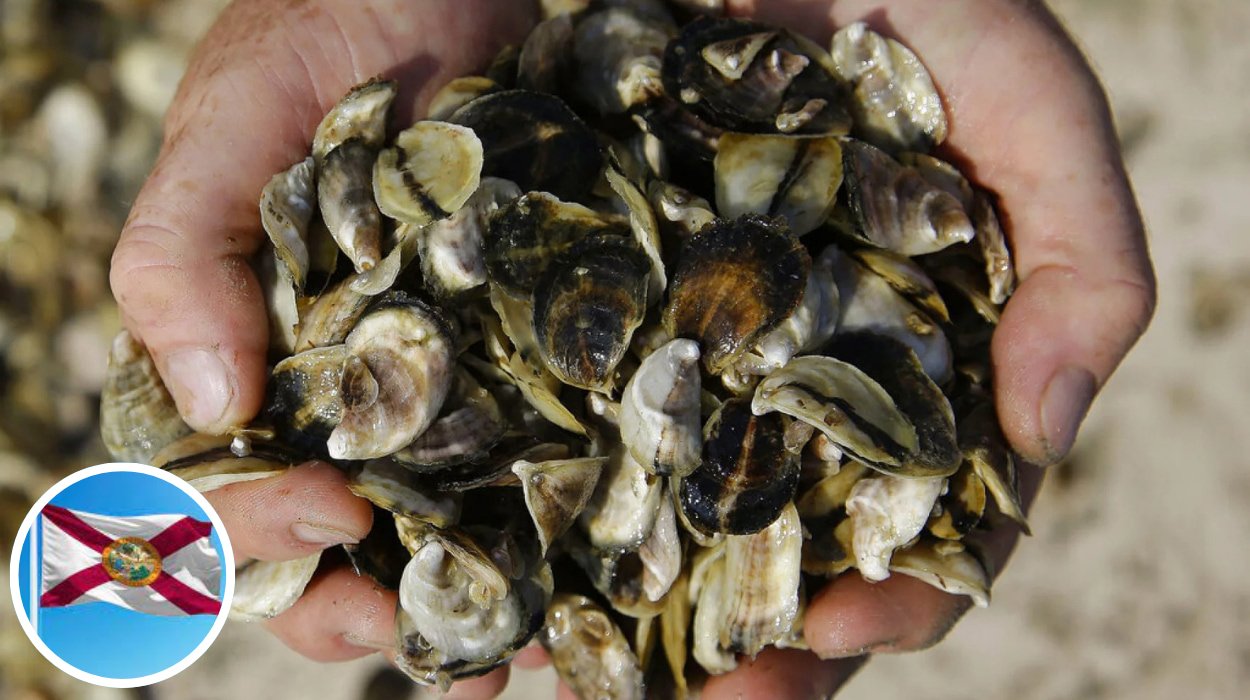
when contaminated water contacts open skin wounds or through the consumption of
raw or undercooked shellfish. Symptoms can escalate quickly and include severe
pain, swelling, redness, fever, and blisters.
Florida physicians urge residents to seek immediate medical
attention if they experience these symptoms following exposure to coastal
waters. Early diagnosis and aggressive treatment—including antibiotics and
sometimes surgical removal of infected tissue—are critical for survival.
What Are Public Health Responses and Recommendations?
The Florida Department of Health has issued warnings and
informational campaigns to raise public awareness about the danger this
bacterium poses during the summer. They recommend avoiding water exposure if
wounds are present, practicing good wound care, and promptly reporting symptoms
to health care providers.
“Preventive measures and heightened awareness can save
lives,”
said a spokesperson from the Florida health authorities, emphasizing
the importance of public education on this issue.
What Future Steps Are Being Taken to Combat Vibrio
vulnificus Infections?
Health experts in Florida are intensifying efforts to
improve surveillance and data collection related to Vibrio vulnificus
infections. Enhanced monitoring of coastal water conditions and bacterial
levels aims to provide early warnings that can help residents and visitors
avoid high-risk areas. Research is also underway to better understand how
climate change and rising sea temperatures may influence the frequency and
severity of infections in the future.
How Can Communities and Individuals Stay Prepared?
Community outreach programs are expanding to educate
vulnerable populations about the dangers of flesh-eating bacteria and
preventive measures. Medical providers are being trained to recognize early
symptoms for quicker diagnosis and treatment. Meanwhile, individuals are
encouraged to follow public health advice closely, including avoiding water
exposure with open wounds, practicing good wound hygiene, and promptly seeking
medical care if symptoms develop after suspected exposure. Staying informed
through official health channels remains crucial for safety.
How Can People Protect Themselves During Florida’s Warm
Months?
Besides avoiding water immersion with open wounds, experts
advise keeping any skin injuries clean and covered. They also recommend wearing
protective footwear in natural water environments and refraining from consuming
raw seafood, which can harbor Vibrio bacteria.
Health communication specialists stress that understanding
one’s personal health conditions and risks is essential in preventing fatal
outcomes. Vaccination is not available for these bacterial infections, so
vigilance and immediate medical care remain the best defenses.
This ongoing health issue underscores the need for continued
vigilance and education to mitigate the risks associated with flesh-eating
bacteria in Florida, especially as climate conditions favor bacterial growth in
coastal waters. Public health officials continue monitoring the situation
closely to prevent further loss of lives.