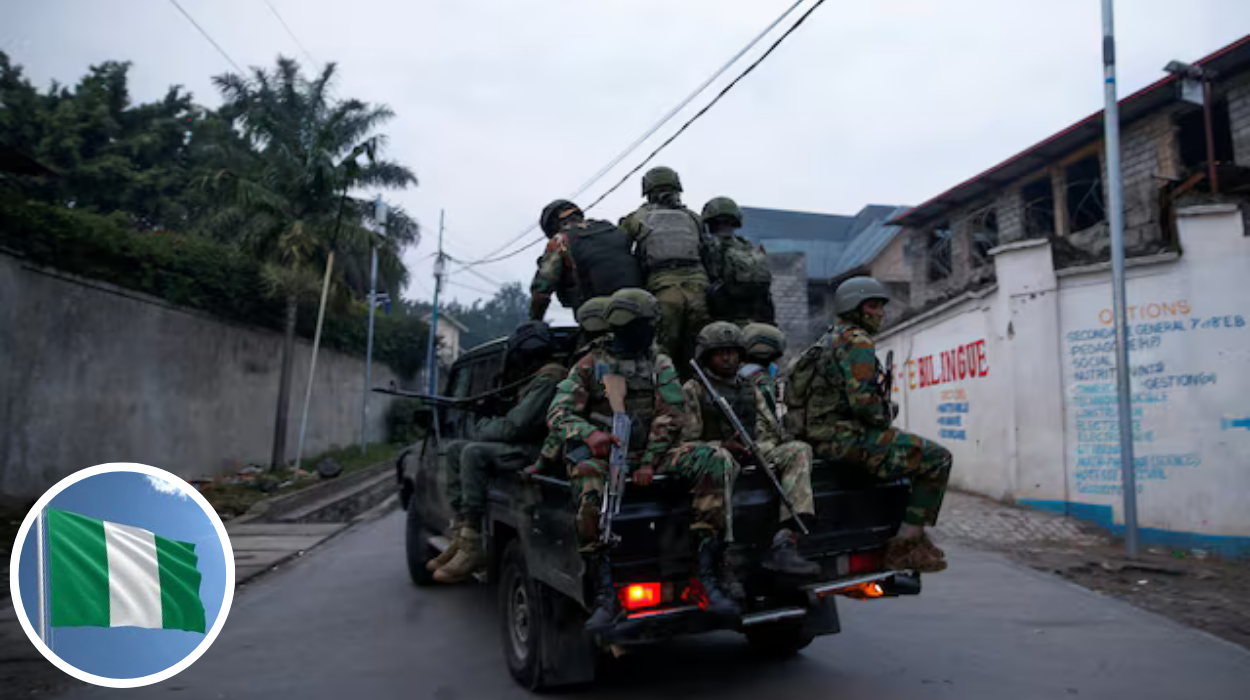

Summary
- At
least six people killed in a violent attack in Zamfara state, Nigeria. - Over
100 individuals abducted by armed bandits during the incident. - The
attack caused widespread fear and disruption in local communities. - Nigerian
authorities are working to address the security breach. - Kidnappings
and armed banditry have become recurrent challenges in the region.
The recent attack in Zamfara state represents one of the
deadliest episodes in a series of violent incidents affecting northwestern
Nigeria. The abduction of over 100 people alongside multiple killings
underscores the severity of the banditry crisis, which continues to destabilize
communities and strain government responses. This report delves into the
details of the attack, the identity and motives of the perpetrators, the
state’s security efforts, and the broader implications for regional stability
and civilian safety.
What Happened in Zamfara State, Nigeria?
As reported by local sources and regional security analysts,
a deadly attack by armed bandits in Zamfara state resulted in the killing of
six individuals and the abduction of more than 100 people. The incident
reflects the ongoing insecurity and volatility in northwestern Nigeria, where
banditry has intensified in recent years.
Witnesses described how the bandits targeted several
villages simultaneously, carrying out swift and violent raids. The attackers
reportedly looted properties and seized livestock before kidnapping large
numbers of residents, leaving shock and fear among the local population. The
high number of abductees raises concerns for their safety and the potential
demand for ransom.
Who are the Bandits Operating in Zamfara State?
Zamfara has become known as a hotspot for armed groups often
referred to as bandits. These groups engage in kidnappings for ransom, cattle
rustling, and violent raids. The attacks severely disrupt local livelihoods,
especially farming and pastoral activities, and strain the region’s already
fragile security architecture.
These armed groups are loosely organized criminal networks
motivated by financial gain, though there may also be ethnic and political
dimensions complicating the conflict dynamics. Their increasing boldness and
capability to strike deep into communities underscore the challenges facing
Nigerian security forces.
How Are Nigerian Authorities Responding?
Nigerian government officials have condemned the attacks and
pledged to intensify security operations to combat banditry across Zamfara and
other affected states. Security forces reportedly launched search and rescue
efforts aimed at locating and freeing those abducted.
However, local communities express frustration with what
they perceive as inadequate protection and slow response times. The recurring
nature of such violent incidents highlights the complexity of countering armed
bandit groups entrenched in difficult terrain with local support networks.
Why Has Banditry Escalated in Nigeria’s Northwest?
Experts note multiple factors facilitating the surge in
banditry, including weak governance, porous borders facilitating arms
smuggling, and socio-economic deprivation. Zamfara state, in particular, has
seen a proliferation of weapons and an increase in youth unemployment,
conditions that criminal groups exploit.
Efforts by the government include military deployments,
dialogue initiatives, and community policing strategies. Nonetheless,
sustainable peace demands addressing the root causes, including poverty,
corruption, and ethnic tensions.
What Is the Impact on Civilians and the Region?
The killings and mass abductions reinforce a climate of
insecurity detrimental to civilian life and economic activity. Many residents
have fled their homes, exacerbating displacement and humanitarian needs.
Schools and markets face closures due to fear of attacks.
This violence in Zamfara is part of a broader pattern of
insecurity affecting Nigeria’s northwest, impeding development and threatening
regional stability. Human rights groups have called for greater protection for
civilians and accountability for perpetrators.
This developing situation continues to unfold. Journalists
and analysts emphasize the importance of comprehensive and coordinated efforts
involving local communities, security agencies, and policy-makers to restore
peace and security in Zamfara state and beyond.