
U.S. consumer confidence took a sharp downturn in September
2025, signaling growing concerns about the economy amidst a weakening labor
market and persistent inflation pressures. The latest data from the Conference
Board revealed a 3.6-point decline in its Consumer Confidence Index to 94.2,
marking the lowest reading since April 2025. This drop illustrates an
increasing pessimism among American consumers about business conditions, job
availability, and overall economic prospects.
The weakening sentiment came despite several months of
Federal Reserve interest rate hikes aimed at taming inflation, highlighting the
complex dynamics consumers face. Business conditions and labor market
assessments declined significantly, contributing to consumers’ reduced
willingness to spend in the face of uncertainty.
Consumer Views on the Current Economy and Labor Market
The Conference Board’s Present Situation Index, which measures
consumers’ perceptions of current business and job market conditions, plunged 7
points to 125.4 in September, the largest drop in a year. This index notably
reflects how consumers see the immediate economic environment, including their
own job security.
Senior Economist Stephanie Guichard of the Conference Board
observed,
“Consumers’ assessment of business conditions was much less
positive than in recent months, while their appraisal of current job
availability fell for the ninth straight month to reach a new multiyear
low.”
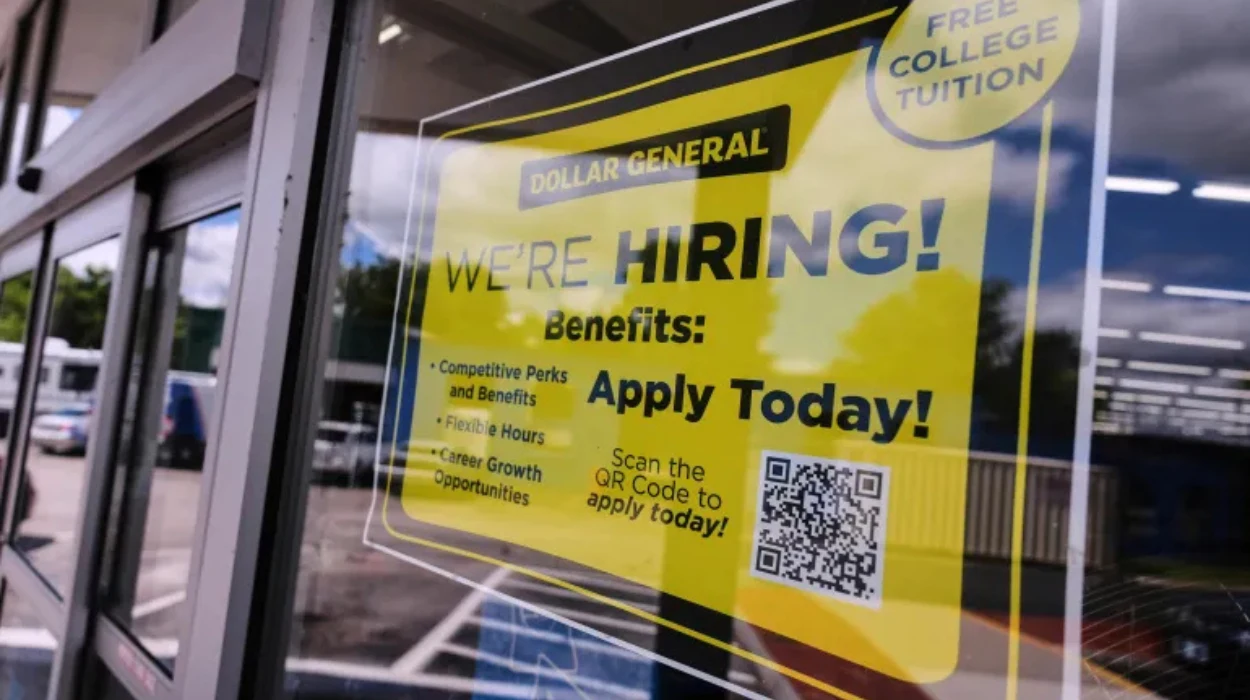
This continued decline corresponds broadly with a reduction in
job openings and hiring demands across the U.S. labor market.
Despite some recent positive signals about employment in
August, including a slight uptick in job
openings to 7.23 million from July, the overall trend points to a cooling
labor market. Compared to the previous year, job openings have decreased by
5.5%, indicating employers are more cautious about new hirings amidst economic
uncertainties.
Concerns Reflected in Short-Term Outlook Index
The Expectations Index, which gauges how consumers feel
about their income, business conditions, and job prospects over the next six
months, decreased by 1.3 points, settling at 73.4. This figure remains below
the critical threshold of 80, a level below which economists often warn of
recession risks.
Guichard noted,
“Expectations have been below the threshold of 80 that
typically signals a recession ahead since February 2025.”
Consumers showed increased pessimism about future job
availability and business conditions, though optimism about income prospects
provided some relief, slightly moderating the overall decline in confidence.
Inflation, Price Pressures, and Personal Finances
Despite the cooling labor market, inflation remains a
foremost concern for American consumers. High living costs tied to food,
energy, and housing continue to strain household budgets. Nearly 44% of
respondents cited price pressures as impacting their economic outlook. The struggle
to balance rising prices with job insecurity contributes to subdued consumer
spending, which accounts for roughly two-thirds of U.S. economic activity.
Consumers’ evaluations of their personal finances and income
stability remain cautious. The mixed signals—improving income expectations
tempered by fears of job losses—reflect the volatile economic environment,
hindering robust confidence necessary for sustained consumer-driven growth.
Economic Implications and Market Reactions
Falling consumer confidence often precedes reduced consumer
spending, which can slow economic growth. Markets reacted cautiously to the
report, with mixed responses among equities and bond markets as investors weigh
the risks of a softening job market against ongoing Federal Reserve policies.
The declining confidence number also adds to concerns about
potential recession in the U.S. later this year or in early 2026. Economists
point to the combination of tight monetary policy, decreased hiring, and rising
inflationary pressures as key risk factors.
Many analysts view the Consumer Confidence Index drop as a
bellwether for the broader economic slowdown and a potential contraction in
discretionary spending. Companies in retail, services, and durable goods
sectors may face headwinds if consumers tighten their wallets further.
Policy Challenges and Outlook
The Federal Reserve is at a crossroads, trying to balance
controlling inflation without triggering a deep recession and mass
unemployment. Policymakers face the challenge that raising interest rates may
exacerbate job market softness, further eroding consumer confidence and
spending power.
Stephanie Guichard stressed,
“The present situation component registered its largest drop
in a year, consistent with the decline in job openings.”
She noted that while some economic indicators offer mixed
signals, the overall consumer mood is deteriorating.
The economic outlook depends heavily on future employment
trends and inflation trajectories. If the labor market weakens further than
anticipated, consumer spending could contract sharply, deepening economic
headwinds.
Broader Social Impacts and Consumer Behavior
Beyond economic metrics, declining consumer confidence
affects social sentiment, family planning, and long-term financial decisions.
Reduced spending on homes, vehicles, and major appliances can ripple through
the economy, affecting employment and investment.
Consumer behavior tends to shift toward caution—favoring
savings over expenditure—and delaying large purchases when confidence drops.
This cycle can slow growth and create a feedback loop that pressures
policymakers.
Households with lower incomes and less job security are
especially vulnerable, although confidence declined broadly across income and
demographic groups. Interestingly, confidence among wealthier stockholders
remained relatively steady, while Democrats showed slight improvements amid
declines among independents and Republicans.
Navigating an Uncertain Path Forward
The slump in U.S. consumer confidence highlights the
fragility of the economic recovery. With inflation still elevated and labor
market signals weakening, consumers remain cautious. Business leaders and
policymakers must closely monitor these shifts as consumer spending remains a
critical force driving economic momentum.
Stephanie Guichard summed up the challenges facing the U.S.
economy by noting,
“Consumers were a bit more pessimistic about future job
availability and future business conditions but optimism about future income
increased, mitigating the overall decline in the Expectations Index.”
The economy stands at a delicate juncture, requiring finely
tuned policies to support growth without stoking inflation or risking deeper
economic pain.