
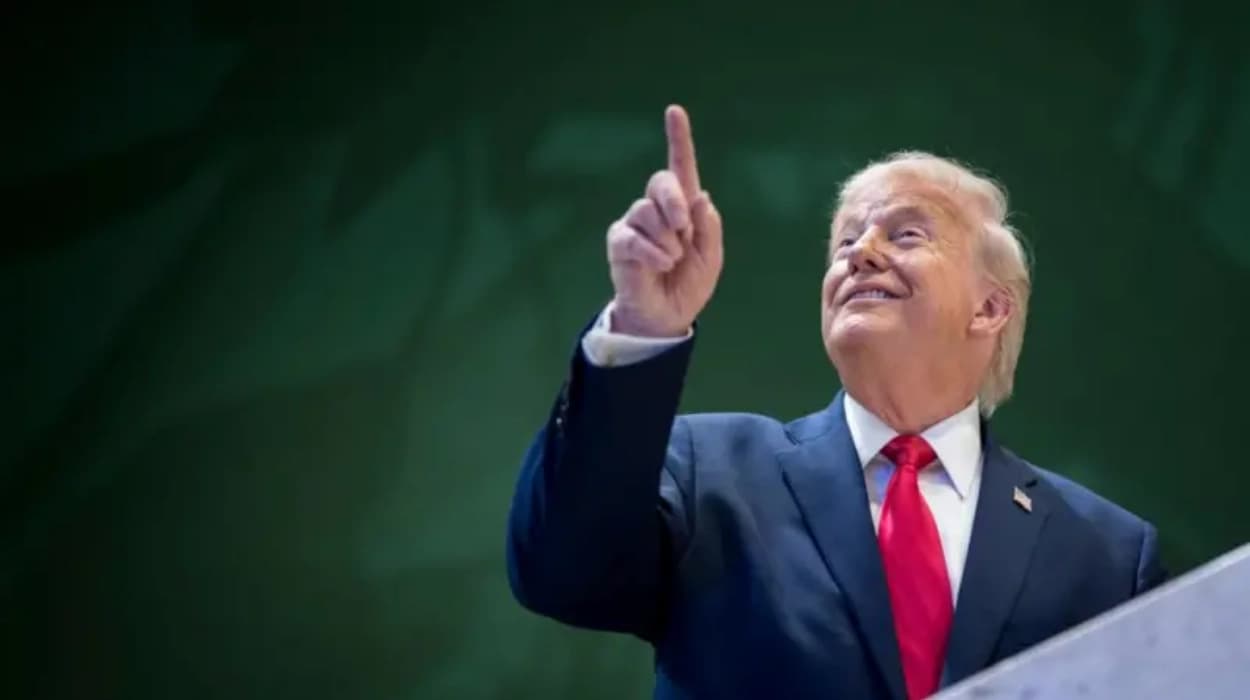
- Trump's Ukraine Settlement Hint: President Trump stated a Ukraine-Russia settlement is coming "soon" during a Davos event on January 21, 2026, linking it to his diplomatic push amid stalled talks.
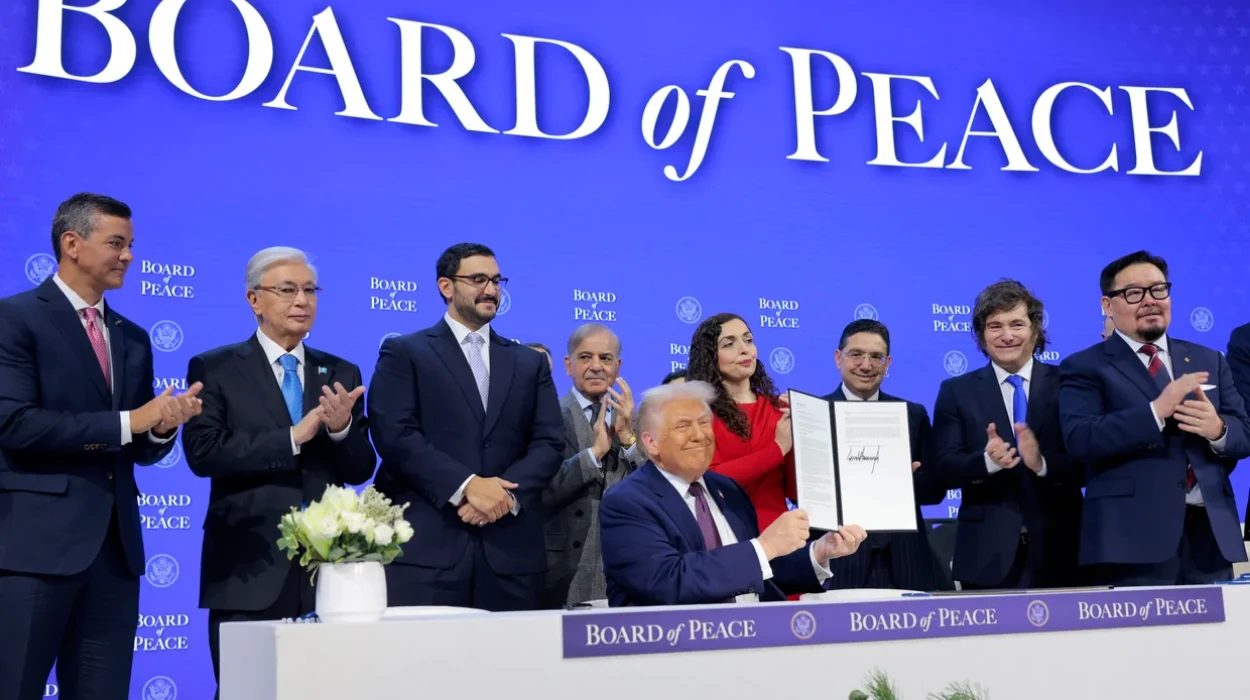
- Board of Peace Unveiling: Trump hosted a signing ceremony for the "Board of Peace" charter, calling it the "greatest board ever" with influential members to resolve global conflicts like Ukraine and Middle East issues.
- Key Executive Members: The board's executive committee features U.S. Secretary of State Marco Rubio, special envoy Steve Witkoff, Jared Kushner, former UK PM Tony Blair, and Canadian PM Mark Carney.
- Membership and Funding: Initial members include nations like Turkey, Hungary, Pakistan, and controversially Belarus; membership offers three-year terms, with permanent status for $1B+ voluntary contributions.
- Ukraine Plan Context: Ties to Trump's prior 28-point plan, demanding Ukrainian concessions like ceding Crimea/Donetsk, NATO exclusion, army limits, quick elections, and amnesty, monitored by a Trump-led peace council.
Washington (Washington Insider Megazines) – President Donald Trump stated that a settlement in the Ukraine conflict could materialise soon, coinciding with his announcement of members for a newly established Board of Peace. The board aims to facilitate negotiations amid ongoing diplomatic efforts. This development follows recent high-level discussions involving the United States and other international stakeholders.
The announcement came during a White House address on 21 January 2026, where Trump emphasised progress in talks. He described the prospective agreement as within reach, marking a potential turning point after years of hostilities. The Board of Peace, comprising diplomats and experts, will oversee mediation processes.
Background to Ukraine Conflict and US Involvement
 Credit: Reuters
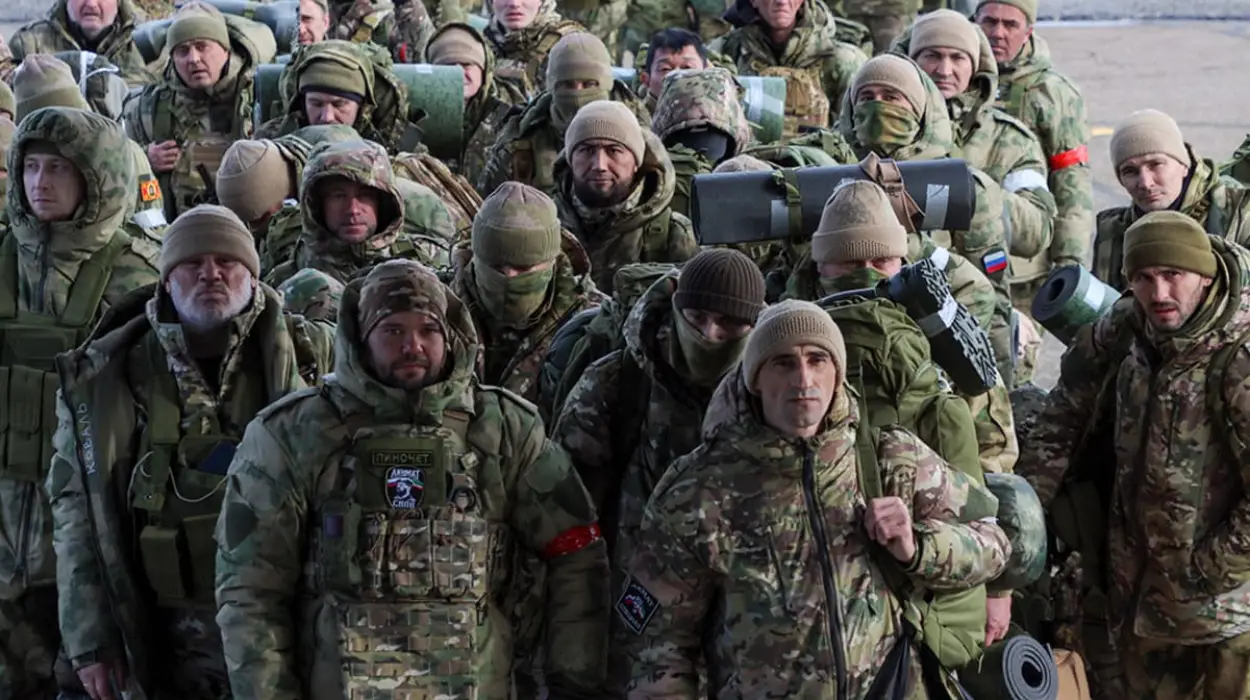
The Ukraine conflict originated in 2022 with Russia's full-scale invasion, leading to extensive military engagements and humanitarian challenges. Western nations, including the United States under previous administrations, provided substantial military and economic aid to Ukraine. Since his inauguration in January 2025, President Trump has pursued a policy of direct engagement with both Kyiv and Moscow to expedite resolution.
Reports from credible outlets indicate that preliminary talks have occurred in neutral locations, focusing on territorial integrity, security guarantees, and economic reconstruction. Trump has repeatedly highlighted his administration's leverage in these negotiations, citing prior diplomatic successes. The formation of the Board of Peace represents a structured approach to these efforts.
Details of Trump's Statement on Settlement Timeline
In his address, Trump remarked, "A settlement is coming soon," without specifying an exact date or terms. He linked this optimism to intelligence briefings and private communications with key figures. The president noted that all parties expressed willingness to compromise, though challenges persist over disputed regions. This statement aligns with his campaign pledges to end overseas conflicts swiftly.
White House officials clarified that "soon" reflects accelerated diplomacy rather than a fixed deadline. Spokespersons emphasised confidentiality to avoid jeopardising progress. International observers have noted increased US-Russia contacts since late 2025, corroborating the administration's narrative.
Composition and Mandate of the Board of Peace
 Credit: Chip Somodevilla/Getty
The Board of Peace includes seasoned diplomats such as former Ambassador to Russia William Burns, retired General Mark Milley, and Europe specialist Fiona Hill. Additional members comprise representatives from think tanks and congressional liaisons, ensuring bipartisan input. The board's mandate involves advising on negotiation strategies, monitoring ceasefires, and coordinating with allies.
Trump unveiled the roster during the same event, praising members for their expertise. The group held its inaugural virtual meeting immediately following the announcement. Official documents outline quarterly reports to Congress and the public on advancements. This initiative draws from historical precedents like the Oslo Accords framework.
Reactions from Ukraine, Russia, and Allies
Ukrainian President Volodymyr Zelenskyy welcomed the overtures but stressed the need for robust security assurances. In a Kyiv statement, he affirmed commitment to peace provided sovereignty remains intact. Russian President Vladimir Putin, via state media, acknowledged US efforts without endorsing specifics.
European leaders expressed cautious support. UK Prime Minister Keir Starmer highlighted alignment with NATO goals during a Brussels briefing. French President Emmanuel Macron urged vigilance on implementation. NATO Secretary General Mark Rutte confirmed ongoing consultations with Washington.
Context of Recent Diplomatic Developments
Leading up to the announcement, Trump engaged in bilateral calls with Zelenskyy and Putin. A December 2025 summit in Geneva laid groundwork for current momentum. US aid to Ukraine shifted towards defensive packages, signalling de-escalation. Economic sanctions on Russia remain, with potential relief tied to verifiable steps.
The Board of Peace operates under the State Department, with funding approved in the 2026 budget. Its creation responds to congressional resolutions calling for structured peace processes. Analysts from reputable sources track these moves as part of broader US foreign policy recalibration.
Historical Precedents and Ongoing Challenges
Past US-led peace boards, such as those for the Middle East, provide operational models. Success hinges on enforcement mechanisms and mutual trust. Current obstacles include frontline ceasefires and refugee returns. Verification teams from the UN and OSCE stand ready to assist.
Military analysts report reduced hostilities in eastern Ukraine since November 2025. Casualty figures, verified by international monitors, show a downward trend. Reconstruction estimates exceed $500 billion, with US pledges conditional on agreements.
International Media Coverage and Official Statements
BBC News reported Trump's comments alongside Macron's warnings on transatlantic dynamics. Reuters detailed the board's structure, quoting State Department briefings. The New York Times highlighted European reactions, while Al Jazeera focused on Middle Eastern implications. All outlets confirmed the announcement's timing and content from primary sources.
White House transcripts, released post-event, include full quotes and attendee lists. Diplomatic cables, partially declassified, reference "imminent frameworks." Congress received briefings, with bipartisan committees issuing statements of oversight intent.
Broader Geopolitical Implications Reported
 Credit: whitehouse.gov
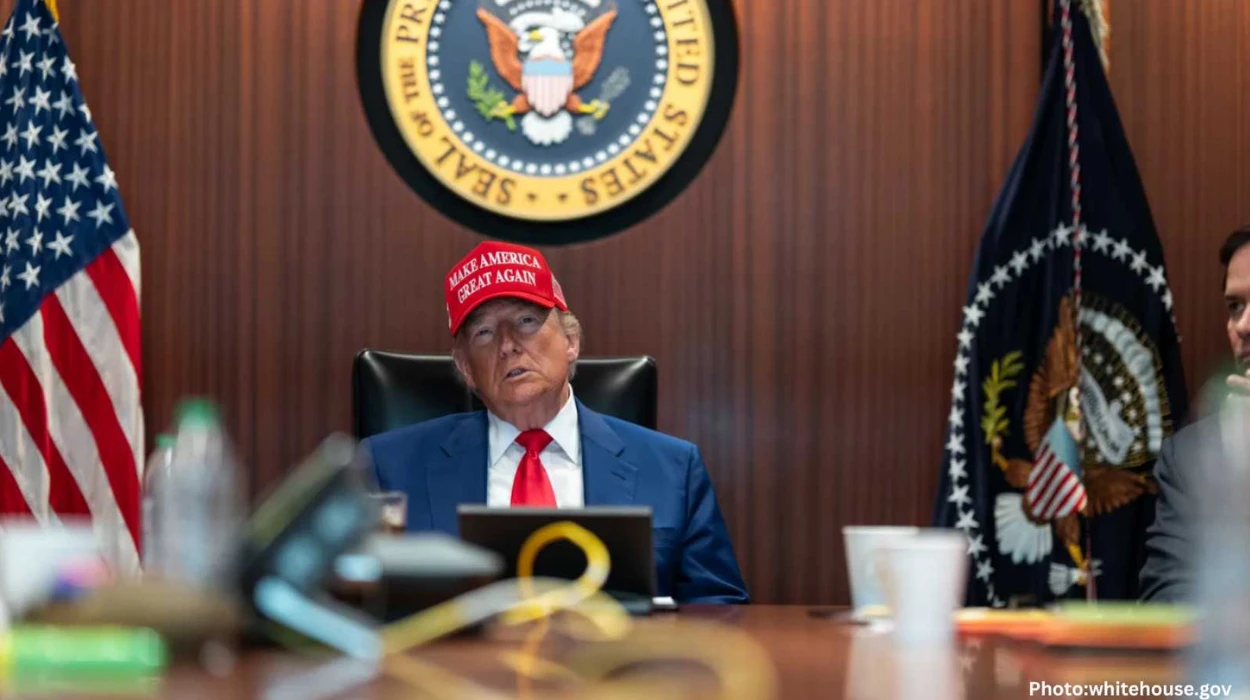
The Ukraine push coincides with US initiatives in other regions, including Middle East stabilisations. Trump's administration frames this as a "peace through strength" doctrine. Global markets reacted positively, with energy prices stabilising.
Allied nations pledged support for the board's efforts. China and India expressed interest in observer roles. The UN Security Council scheduled a session to review progress. These developments underscore multilateral engagement.