
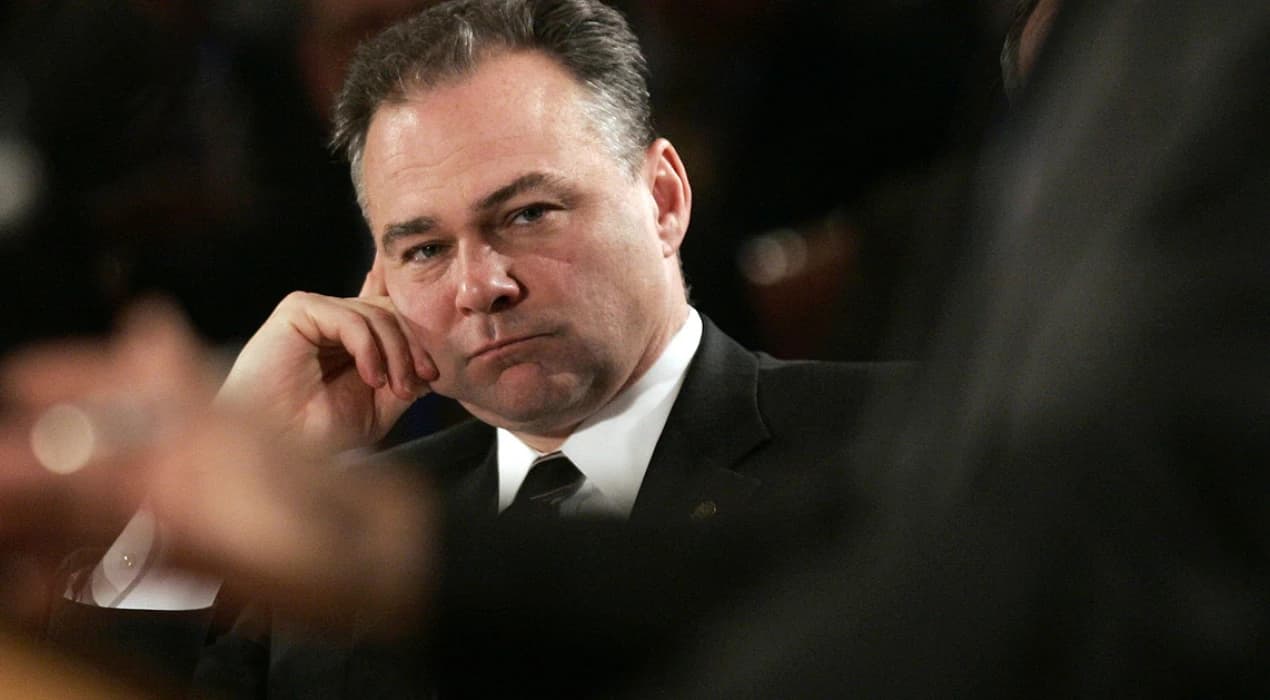
In the landscape of American politics, few figures embody steadiness amid turbulence like the senior senator from Virginia, known for his pivotal role as the Democratic vice presidential nominee. Tim Kaine rose through local governance to national prominence, blending pragmatism with a commitment to bipartisan solutions. His journey offers insights into leadership that transcends party lines, appealing to voters seeking reliability in divided times.
Kaine's appeal lies in his unflashy authenticity a missionary kid turned mayor, governor, and senator who speaks fluent Spanish and champions working families. This profile resonates in a nation where, according to the World Bank, economic inequality persists as a core challenge for middle class stability. As Virginia's representative, he navigates the state's transformation from a conservative stronghold to a purple battleground, reflecting broader shifts in U.S. demographics and priorities.
From Humble Roots to Public Service Pioneer
Tim Kaine's path began in Overland Park, Kansas, where his parents instilled values of hard work and community. A product of Jesuit education at Rockhurst High School and the University of Missouri, he channeled youthful idealism into action. After graduating from Harvard Law School, Kaine and his wife, Anne Holton, joined Jesuit volunteers in Honduras, immersing themselves in rural poverty alleviation.
This experience shaped his worldview. In Latin America, he witnessed firsthand how microfinance and education combat inequality principles echoed in World Bank reports highlighting that targeted investments lift millions from poverty traps. Returning to Richmond, Virginia, Kaine practiced civil rights law, defending tenants and workers against exploitative landlords. His early career underscored a hands-on ethos, prioritizing justice over headlines.
Kaine's entry into elective office came as a Richmond City Council member in 1994, followed by a stint as vice mayor. He tackled urban decay with innovative public-private partnerships, revitalizing neighborhoods without ballooning budgets. This local focus built a reputation for competence, proving that effective governance starts at the grassroots.
Governing Virginia: Balancing Growth and Equity
Elected mayor of Richmond in 1998, Kaine transformed a city plagued by crime and fiscal woes. He championed community policing and economic development, drawing on OECD insights that inclusive urban strategies foster long-term prosperity. Under his watch, Richmond's murder rate plummeted, businesses flourished, and infrastructure modernized models still studied in municipal leadership programs.
Ascending to Virginia's lieutenant governorship and then governorship, Kaine confronted a massive budget shortfall amid recessionary pressures. Rejecting tax hikes on everyday Virginians, he streamlined government operations and invested in transportation, aligning with IMF recommendations for fiscal prudence during downturns. His transportation initiative, funded through creative revenue streams like regional taxes, eased commutes in a state where traffic congestion hampers productivity.
Kaine's tenure emphasized education and health. He expanded access to early childhood programs, recognizing UNESCO data that quality preschool yields lifelong economic gains. On criminal justice, he pioneered reentry programs for ex-offenders, reducing recidivism and embodying restorative principles. These reforms positioned Virginia as a leader in pragmatic progressivism, appealing to moderates nationwide.
Bipartisanship defined his style. Kaine collaborated with Republican legislatures on budget deals and ethics reforms, fostering trust in an era of polarization. His governorship ended with high approval ratings, paving the way for U.S. Senate victory and cementing his image as a unifier.
U.S. Senate Career: Champion of Workers and Security
Entering the Senate in 2013, the Virginia Democrat quickly distinguished himself on the Armed Services and Foreign Relations Committees. His military policy expertise stems from deep dives into defense readiness, advocating for troop welfare and veteran support. Kaine co-authored legislation reforming military justice, addressing sexual assault a scourge affecting service members, as noted in global human rights reports.
On foreign affairs, Kaine critiques endless wars while backing alliances. He played a key role in authorizing limited strikes against threats like ISIS, balancing hawkishness with restraint. Drawing from his Honduras days, he pushes for hemispheric partnerships, echoing World Economic Forum calls for collaborative development to curb migration drivers like violence and joblessness.
Domestically, Kaine fights for blue collar Virginians in shipbuilding hubs like Newport News. He secures funding for naval contracts, sustaining jobs in a sector vital to U.S. economic security. According to the OECD, such manufacturing roles anchor communities against automation's tide. Kaine also spearheads paid family leave efforts, citing WHO evidence that parental support boosts child health outcomes and workforce participation.
Criminal justice reform marks another pillar. As a former prosecutor, he backs Second Chance initiatives, aligning with UN data showing rehabilitation outperforms incarceration for nonviolent crimes. His fluency in Spanish aids outreach to Virginia's growing Latino population, where IMF reports underscore remittances' role in family stability.
Kaine's Senate record reflects Virginia's diversity tech booming in Northern Virginia, agriculture in the south, military bases statewide. He opposes offshoring, protecting jobs amid globalization's disruptions.
The 2016 VP Spotlight: A Safe Pair of Hands
When Hillary Clinton selected the Virginia senator as her running mate, it signaled a bid for stability. Kaine, the 2016 Democratic VP pick, brought swing state credibility and a track record of winning tough races. His convention speech blended folksy charm with policy depth, touting bipartisan wins to broaden the ticket's appeal.
Polls showed Kaine's steady demeanor countering perceptions of elitism, much like how World Bank analyses favor predictable leadership in uncertain economies. Though the ticket fell short, Kaine's performance highlighted his value: a bridge builder fluent in multiple languages, ready for executive duties. Post campaign, he recommitted to Senate work, undeterred.
This moment amplified his national profile, positioning him as a go to voice on ethics and governance. Kaine's VP bid underscored Virginia's electoral clout, where suburban moderates sway outcomes.
Policy Priorities: Bipartisan Problem-Solving
Kaine's agenda centers on affordability. He advocates expanding child tax credits, informed by WEF reports on family financial pressures. Gun violence prevention ranks high; post-Richmond, he pushes universal background checks without infringing rights, reflecting public health approaches akin to WHO strategies.
Climate action engages his pragmatic side. Kaine supports clean energy transitions for Virginia's coasts, vulnerable to rising seas per UN assessments. He backs carbon pricing mechanisms that spur innovation without stifling growth.
Faith informs his politics a Catholic who wrestles publicly with doctrine versus compassion. This nuance appeals in diverse electorates, where Pew data reveals Americans' preference for leaders blending personal conviction with tolerance.
Enduring Influence on National Discourse
Tim Kaine endures as Virginia's senior senator, a 2016 Democratic vice presidential contender whose career exemplifies governance over grandstanding. His legacy revitalized cities, balanced budgets, reformed justice offers blueprints for leaders everywhere. In a fractured polity, Kaine proves moderation wins elections and delivers results, reminding us that public service thrives on listening, compromising, and acting decisively.