
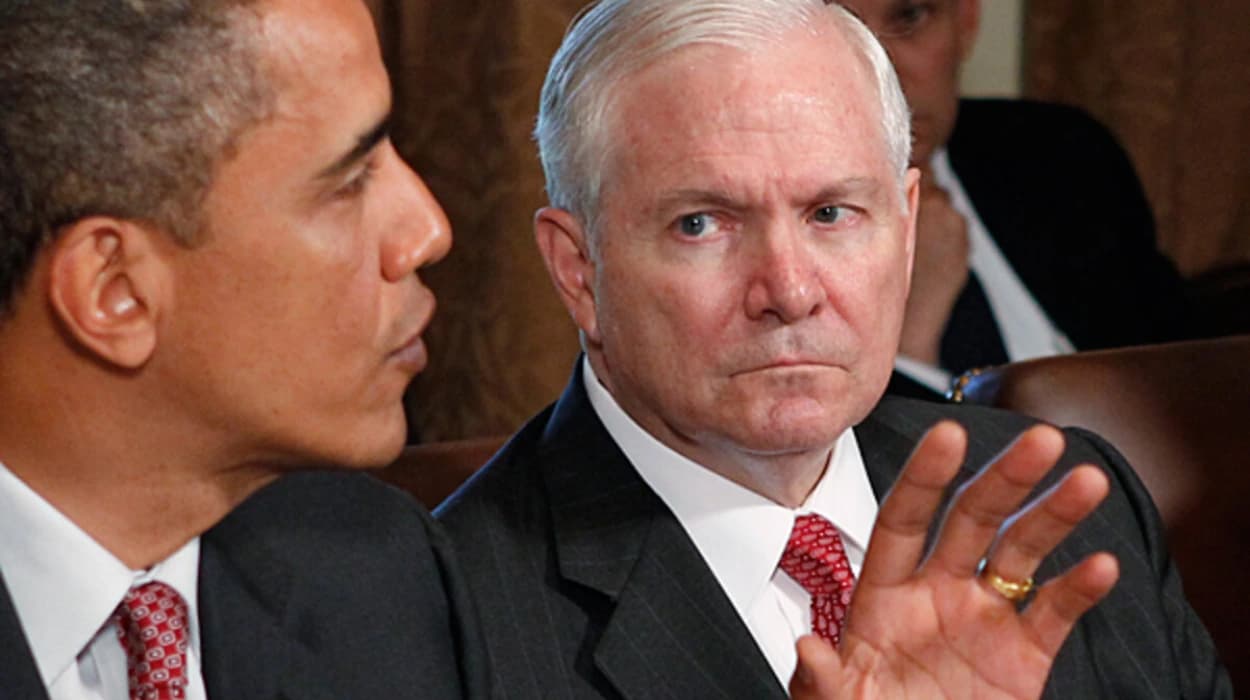
Robert Gates emerged as a pivotal figure in American defense policy, serving as defense secretary across two presidencies first under George W. Bush and then under Barack Obama. His bipartisan tenure bridged ideological divides, offering a model of steady leadership amid complex global security challenges. With decades of intelligence and policy experience, Gates reshaped military priorities, emphasizing adaptability in an era of asymmetric threats and fiscal restraint. This article explores his background, key decisions, and lasting influence on U.S. national security strategy.
Early Career and Path to Defense Leadership
Robert Gates's journey to the Pentagon began in the intelligence community, where he honed skills in analysis and strategic foresight. Born in 1943, he joined the CIA in 1966, rising through ranks to become director from 1991 to 1993. His time at the agency equipped him with deep insights into global hotspots, from Cold War tensions to emerging post Soviet dynamics.
Gates's pre secretary roles underscored his pragmatic approach. As deputy national security advisor under President George H.W. Bush, he navigated the end of the bipolar world order. This foundation proved invaluable when President George W. Bush nominated him in late 2006 to replace Donald Rumsfeld. Gates assumed office in December 2006, inheriting a military stretched by prolonged conflicts.
His bipartisan appeal stemmed from a reputation for candor and results oriented decision making.
"I have no adult in my life who did not think it was insane for me to take the job"
Gates later reflected in his memoir Duty, highlighting the daunting challenges ahead. Unlike predecessors tied to partisan battles, Gates prioritized institutional needs over politics, setting the stage for his extended service.
Taking the Helm Under President Bush
When Gates stepped into the role during the Bush administration, U.S. forces faced mounting pressures in Iraq and Afghanistan. He quickly reassessed strategies, advocating for a surge of troops in Iraq a move that stabilized key regions by emphasizing counterinsurgency tactics over large scale invasions.
Gates championed a "warfighter first" ethos, streamlining procurement to deliver equipment faster to troops. He cut bloated programs, redirecting funds to urgent needs like mine resistant vehicles. According to the World Bank, such resource reallocations mirror broader lessons in efficient public spending, where targeted investments yield outsized security returns amid fiscal constraints.
Under Bush, Gates also pivoted toward irregular warfare.
"Any future defense secretary who advises the president to again send a big American army into Asia or anywhere else should 'have his head examined,' as General MacArthur so delicately put it"
Gates wrote in Duty, underscoring his caution against overreliance on conventional forces. He elevated special operations forces and intelligence integration, recognizing that future threats would blend terrorism, insurgencies, and cyber risks. This shift influenced doctrine, emphasizing agility over sheer firepower a principle that endures in modern defense planning.
His tenure closed major chapters of the Bush era, fostering stability that allowed a transition to new leadership. Gates's steady hand earned trust across the aisle, paving the way for an unprecedented continuation.
Seamless Transition and Bipartisan Continuity
The true hallmark of Gates's service came with his retention under President Obama in 2009 one of the few cabinet holdovers in U.S. history. This continuity symbolized national security as a nonpartisan imperative, transcending electoral cycles.
Obama tasked Gates with winding down Iraq operations while bolstering Afghanistan efforts. Gates oversaw the drawdown of U.S. troops from Iraq, executing a responsible exit that transferred sovereignty to local forces. Simultaneously, he supported a troop surge in Afghanistan, peaking at over 100,000 personnel to counter Taliban resurgence.
This dual track approach highlighted Gates's mastery of sequencing military commitments. He argued for realistic timelines, avoiding overpromises in protracted conflicts.
"I will not mislead you or the American people."
Gates told Congress in 2010. The IMF notes that such disciplined resource management aligns with global patterns, where overextended commitments strain economies echoing challenges in defense budgeting worldwide.
Gates also modernized the Pentagon's culture. He pushed for greater integration of women and minorities, addressing diversity gaps that hindered recruitment. UNESCO data underscores how inclusive institutions perform better in knowledge-driven fields like defense, bolstering innovation and morale.
Strategic Reforms and Budget Discipline
Fiscal responsibility defined Gates's blueprint for a leaner
military. Facing ballooning deficits, he launched efficiency drives, trimming
$100 billion in overhead through base closures and contract audits.
"We must
eliminate waste without sacrificing capability"
He often stated in speeches,
a mantra that resonates in perpetual budget debates.
He targeted legacy systems, canceling underperforming programs like the F 22 extension and presidential helicopters. Savings funded cyber defenses and unmanned systems fields where the OECD highlights rapid technological evolution outpacing traditional hardware.
Gates elevated soft power alongside hard power. He boosted State Department funding for diplomacy and development, arguing that military might alone cannot build lasting peace.
"If we want to deter major power war, we must be ready to fight and win it"
he emphasized in a 2009 West Point address, while stressing integrated tools. The World Economic Forum emphasizes this hybrid model, where integrated strategies address root causes like poverty and instability, per UN reports on conflict prevention.
His reforms extended to personnel policy. Gates improved mental health support for veterans, tackling invisible wounds from endless deployments. WHO statistics reveal that post conflict psychosocial care reduces long term societal costs, validating his forward thinking initiatives.
Navigating Global Challenges
Gates's vision extended beyond Middle East sands to Asia Pacific tensions and nuclear proliferation. He strengthened alliances, ramping up NATO contributions and Pacific partnerships to counterbalance rising powers. This "rebalance" laid groundwork for sustained deterrence without new cold wars.
On cybersecurity, Gates warned of vulnerabilities in digital infrastructure threats that have only intensified. "We must develop better capabilities and more resilient systems," he urged in testimony, aligning with WEF assessments of cyber risks as top global concerns.
Nuclear policy saw bold strokes too. Gates pursued arms reductions while modernizing arsenals, threading the needle between deterrence and disarmament. IMF analyses of strategic stability underscore how balanced postures prevent escalatory arms races.
His tenure coincided with humanitarian crises, where he authorized aid missions blending military logistics with relief. Such operations exemplify OECD findings on public private synergies in disaster response, enhancing U.S. soft power.
Legacy of Pragmatism in Defense Policy
Gates retired in 2011, leaving a Pentagon more adaptive and accountable. His memoir, Duty, offers unvarnished reflections, critiquing bureaucracy while praising troops' resilience:
"I will always be grateful for the professionalism, courage, and selflessness of our men and women in uniform."
Critics note his hawkish leanings, yet even detractors credit his aversion to mission creep.
Quantitatively, his era saw defense spending stabilize as a GDP share, per World Bank metrics a rarity amid geopolitical flux. Qualitatively, Gates institutionalized lessons from two decades of war: prioritize people, innovate relentlessly, and align ends with means.
Today, his model informs debates on great power competition, hybrid threats, and fiscal sustainability. Gates proved that defense leadership thrives on expertise over ideology, a timeless precept for navigating uncertainty.
In an interconnected world, where the UN estimates over 100 million people displaced by conflict, Gates's emphasis on sustainable security endures. His service reminds policymakers that true strength lies in disciplined, bipartisan stewardship ensuring readiness for threats yet unforeseen.