
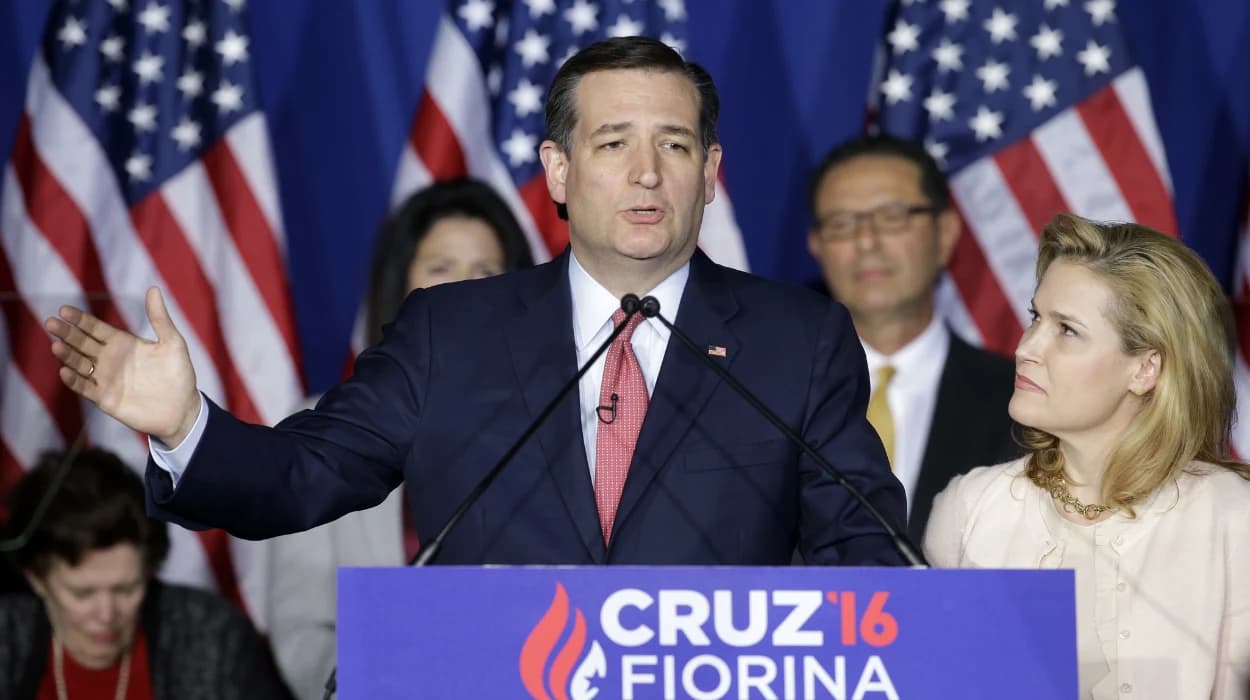
Ted Cruz, the junior U.S. Senator from Texas, formally launched his campaign for the presidency of the United States on March 23, 2015. His bid for the Republican Party’s nomination in the 2016 election showcased a conservative platform that emphasized constitutionalism, limited government, and traditional values. Positioned as an outsider in a crowded field of candidates, Cruz’s campaign resonated with a significant segment of the Republican base, especially social conservatives, Tea Party supporters, and voters seeking an alternative to establishment politics.
Background and Early Political Career
Before embarking on his presidential campaign, Ted Cruz had established himself as a prominent, if sometimes polarizing, figure within the Republican Party. Born Rafael Edward Cruz in Calgary, Canada, he later renounced his Canadian citizenship to avoid eligibility questions regarding the U.S. presidency. He was elected to the U.S. Senate in 2012, representing Texas, gaining recognition for his conservative judicial philosophy and opposition to the Affordable Care Act.
Cruz’s pre-campaign activities included high-profile speeches at conservative gatherings such as the Conservative Political Action Conference (CPAC), where he was noted for strong showings in straw polls and his sharp criticism of perceived government overreach.
Campaign Announcement and Strategy
Cruz announced his candidacy at Liberty University, a prominent evangelical institution, underscoring his appeal to Christian conservative voters. His platform centered around repealing Obamacare, enforcing immigration laws, defending Second Amendment rights, and promoting free-market economic policies. Cruz branded himself as a constitutional conservative, promising to restore faith in government through strict adherence to the U.S. Constitution.
Recognizing the crowded Republican primary field, Cruz initially avoided direct attacks on fellow outsider Donald Trump, maintaining a more courteous tone. He targeted key early states like Iowa, emphasizing ground operations inspired by Obama’s 2008 campaign, which contributed to his surprise victory at the Iowa caucuses.
Key Campaign Milestones and Primaries
- Iowa Victory: Cruz’s win at the Iowa Republican caucuses established him as a front-runner, defying many expectations. His grassroots mobilization and appeal to evangelical voters were critical.
- Texas Stronghold: As a Texas senator, Cruz held an advantage in his home state and secured a commanding primary victory there on March 1, 2016, reinforcing the narrative of him as a conservative standard-bearer.
- Other State Wins: Cruz also triumphed in states like Alaska, Oklahoma, and Idaho, accumulating a total of multiple statewide victories, solidifying his standing as the main competitor to Trump.
- VP Selection: In April 2016, Cruz announced Carly Fiorina as his vice-presidential pick, aiming to broaden his appeal and gain momentum heading toward the pivotal Indiana primary.
Campaign Challenges and Controversies
Despite early successes, Cruz faced significant obstacles:
- Conflict with Donald Trump: Initially cordial, relations deteriorated notably as the race narrowed, led by sharp exchanges and personal attacks. Trump’s repeated nickname for Cruz, “Lyin’ Ted,” and attacks on Cruz’s wife marked an intensifying rivalry.
- Delegate Count Deficit: Cruz failed to amass sufficient delegates compared to Trump’s growing lead after Super Tuesday and subsequent primaries.
- Indiana
Primary Defeat: Widely regarded as make-or-break, Cruz’s loss in
Indiana on May 3, 2016, effectively ended his nomination bid. He conceded
and suspended his campaign later that evening.
- Eligibility Scrutiny: Cruz’s Canadian birth raised questions about his eligibility under the "natural-born-citizen" clause, a debate that received media attention but did not legally bar his campaign.
Policy Positions and Campaign Messaging
Cruz’s campaign was marked by a strong conservative ideology emphasizing:
- Limited Government: Advocating for reduced federal regulation and spending.
- Judicial Conservatism: Promising to appoint strict constitutionalist judges to the Supreme Court.
- Immigration Control: Supporting increased border security and opposing amnesty for undocumented immigrants.
- Social Issues: Firmly opposing abortion and promoting religious freedom.
- Economic Policy: Calling for tax reform, including a flat tax, and repeal of the IRS.
His slogan “Together, we will win” distinguished his call for unity among conservatives, while “Courageous Conservatives” evoked the campaign’s ideological backbone.
Campaign Infrastructure and Strategy
Cruz’s campaign was noted for its disciplined and well-organized ground game, with a focus on caucus states. His team employed experienced political operatives and strategists to maximize outreach, particularly in evangelical communities.
Funding operations showed strength, with the campaign raising over $92 million by early 2016, supported by PACs and donors aligned with conservative causes.
Legacy and Impact
Though Cruz did not secure the Republican nomination, he emerged as a pivotal figure in redefining the conservative movement within the GOP. His campaign’s emphasis on constitutional conservatism and grassroots mobilization influenced legislative debates and political discourse in subsequent years.
Cruz’s 2016 presidential run also highlighted the shifting dynamics within the Republican Party, acting as both a foil and occasional collaborator with Donald Trump, representing a faction of traditional conservatism in an era of populist change.
Ted Cruz’s 2016 presidential campaign was a landmark effort that combined ideological rigor with strategic campaigning. His ability to win multiple states and delegates underscored his influence in American politics and the conservative movement. Despite falling short of the nomination, Cruz’s campaign left an undeniable mark on the 2016 election landscape and the future direction of the Republican Party.