
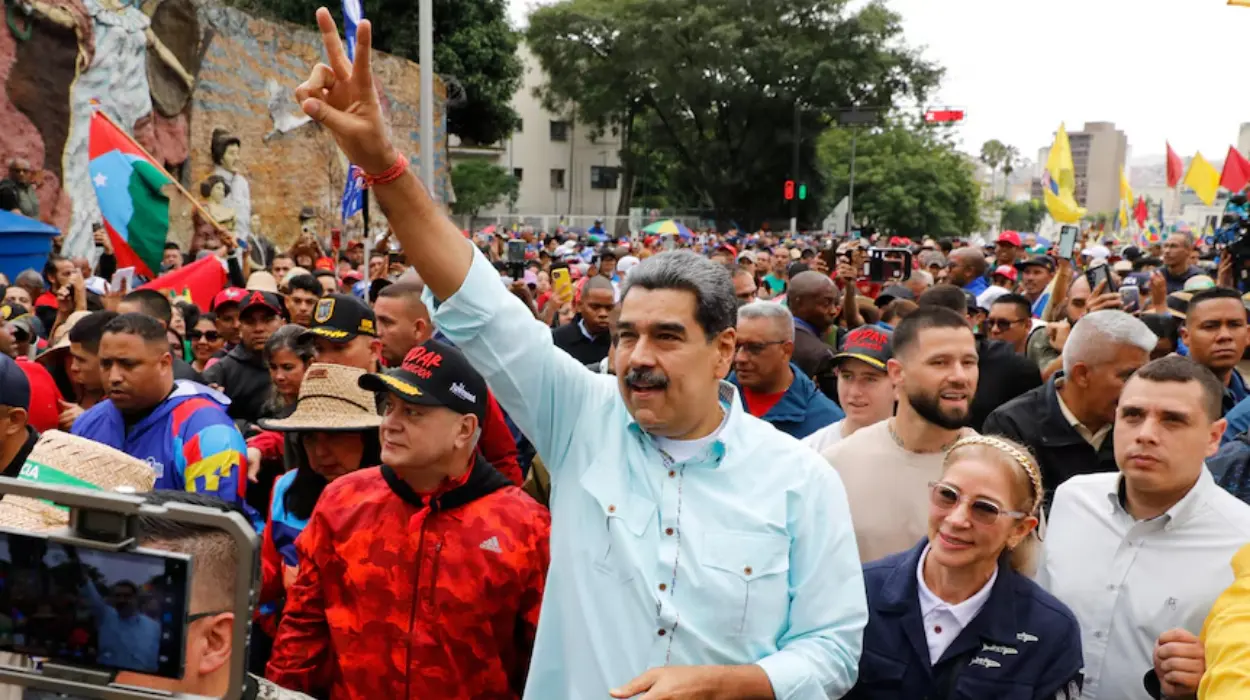

The US capture of Nicolás Maduro in late 2025 triggered immediate political upheaval in Venezuela, dismantling two decades of socialist rule and unleashing power struggles among opposition factions, military remnants, and regional actors. This event, executed via a covert operation amid escalating sanctions and internal dissent, ended Maduro’s 12-year tenure marked by economic collapse and authoritarianism.
The aftermath saw rapid institutional reconfiguration, mass protests, and international interventions, reshaping Venezuela’s trajectory toward uncertain democracy.
Background to Maduro’s Capture
Nicolás Maduro assumed power in 2013 following Hugo Chávez’s death, inheriting a nation already strained by oil dependency and policy missteps. His regime faced hyperinflation exceeding 1 million percent in 2018, mass emigration of over 7 million, and US sanctions that froze billions in assets. By mid-2025, internal military fractures emerged, with defections reported among mid-level officers disillusioned by corruption and food shortages.
Intelligence sources indicated Maduro’s inner circle, including Diosdado Cabello and the Cuban-trained intelligence apparatus, suppressed dissent through 15,000 political prisoners.
The US operation, codenamed “Operación Libertad,” involved special forces coordination with Venezuelan dissidents and Colombian intelligence, culminating in Maduro’s arrest during a Caracas blackout on November 15, 2025. Extracted via helicopter to a US naval base in Colombia, Maduro faced charges in Miami for narco-terrorism, human rights abuses, and asset laundering estimated at $2 billion.
This mirrored the 1989 capture of Panama’s Manuel Noriega, invoking the invocation of US Invoked Protection Act precedents. Initial chaos ensued as loyalist militias clashed with protesters, resulting in 47 deaths in the first 48 hours.
Immediate Power Vacuum and Military Response
 Credit: ndupress.ndu.edu
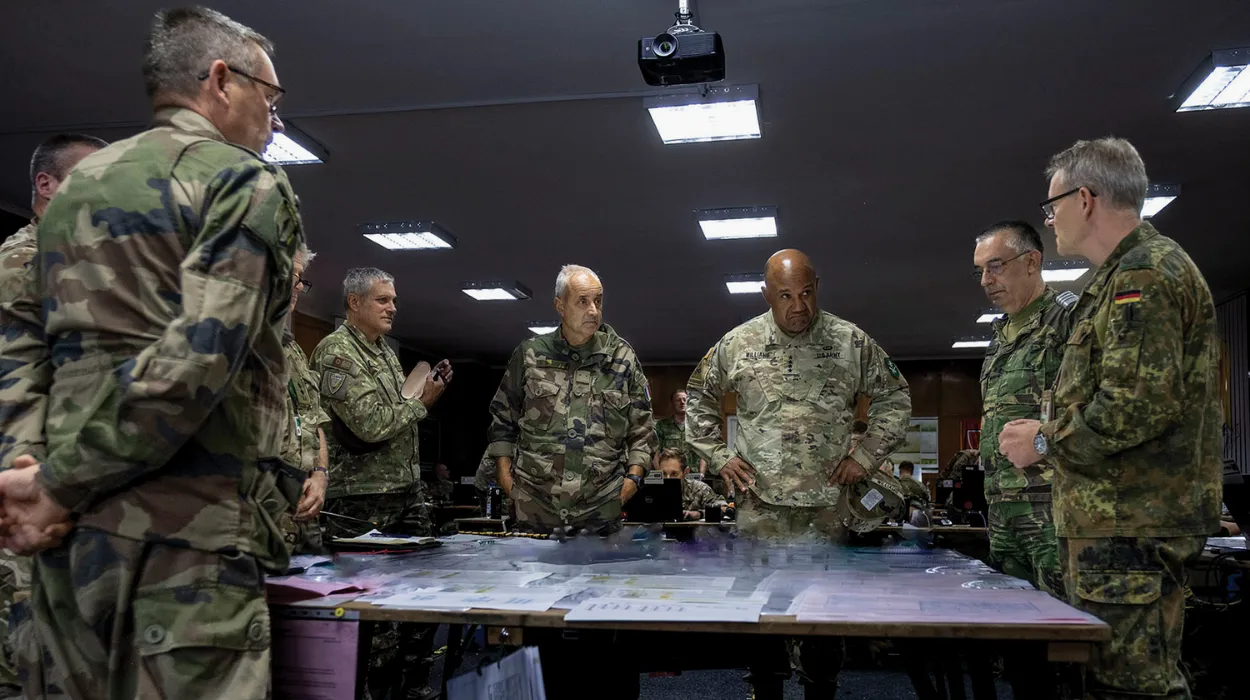
Maduro’s ousting created a 72-hour power vacuum, with the military high command splintering into pro-regime holdouts and reformists. General Vladimir Padrino López, defense minister and Maduro ally, declared a “state of defense” from Fuerte Tiuna, ordering troops to secure oil facilities. However, Second Vice President Delcy Rodríguez fled to Havana, fracturing Chavismo unity.
Reformist officers, led by Admiral Remigio Ceballos, aligned with opposition leader María Corina Machado, broadcasting calls for transition from Maracay airbase.
Street protests erupted nationwide, drawing 2 million in Caracas alone, demanding elections and aid corridors. Loyalist colectivos motorcycle gangs armed by the regime barricaded pro-Maduro barrios like Petare, clashing with National Guard units that defected en masse.
By November 18, Ceballos assumed interim command, dissolving the 2017 Constituent Assembly and releasing 8,000 detainees from El Rodeo prison. This military pivot echoed the 1958 coup against Pérez Jiménez but hinged on US logistical support, including drone surveillance and fuel airlifts.
Rise of the Transitional Government
On November 20, Machado, barred from 2024 elections but backed by 60 nations during Guaidó’s 2019-2021 interim bid, was sworn as Transitional President by a rump National Assembly. Her coalition, Plataforma Unitaria Democrática (PUD), included Voluntad Popular, Primero Justicia, and technocrats like Henrique Capriles. The government issued Decreto 001, freezing PSUV assets worth $11 billion and inviting ExxonMobil back to Orinoco fields under 40% revenue shares.
International recognition flowed swiftly: The US lifted PDVSA sanctions within 24 hours, unlocking $6 billion; the EU followed with €2 billion aid pledges. Brazil’s Lula da Silva, despite socialist leanings, hosted Machado in Brasília, signaling OAS revival under Democratic Charter Article 21. Cuba and Russia condemned the “Yankee invasion,” withdrawing diplomats, while China secured $3 billion debt restructuring for oil prepayments.
Domestic stabilization prioritized food imports via reopened Colombian borders, distributing 500,000 tons of UN stockpiles to curb 30% malnutrition rates.
Fractured Opposition and Chavismo Remnants
Unity fractured within weeks. Machado’s exclusion of Guaidó loyalists sparked the “Frente Democrático” schism, accusing her of “winner-take-all” authoritarianism akin to Chávez’s 1999 playbook. Student protests in Mérida demanded proportional representation, clashing with police and causing 120 injuries. Chavismo regrouped in Zulia state, where Governor Omar Prieto rallied 200,000 at a Barinas rally, vowing guerrilla resistance funded by Colombian FARC dissidents.
Regional governors leveraged federalism: Zulia and Táchira declared “autonomous emergencies,” hoarding PDVSA dividends $500 million monthly post-sanctions. Machado countered with Supreme Court purges, ousting 70% of Maduro-appointed justices and reinstating 2015 Assembly members. This judicial overhaul validated 2024 election recounts, nullifying Maduro’s 51% win amid 80% fraud allegations from Carter Center observers.
Yet, corruption probes ensnared 300 officials, freezing $4 billion in Swiss accounts and exposing “Cartel de los Soles” narco-routes shipping 20 tons of cocaine annually.
Economic Stabilization Efforts Amid Chaos
Oil production rebounded from 450,000 barrels per day (bpd) to 900,000 bpd by January 2026, as Chevron resumed operations under OFAC licenses. GDP forecasts shifted from -15% contraction to +5% growth, per IMF projections, driven by $15 billion remittances from 7.7 million exiles. Hyperinflation cooled to 150% annualized via dollarization decrees, pegging public wages at $130 monthly—triple pre-capture levels.
Food sovereignty initiatives repurposed 1 million hectares of idle farmland, importing Ukrainian wheat seeds and Brazilian fertilizers. Inflation-eroded bolívares gave way to a dual-currency system, with 80% transactions in USD. Black market premiums vanished, stabilizing prices: rice fell from 50 Bs/kg to $1 equivalent. Yet, blackouts persisted, with Guri Dam output at 40% capacity due to neglected turbines, prompting $2 billion BlackRock loans for repairs.
Social Unrest and Humanitarian Recovery
 Credit: thirdway.org
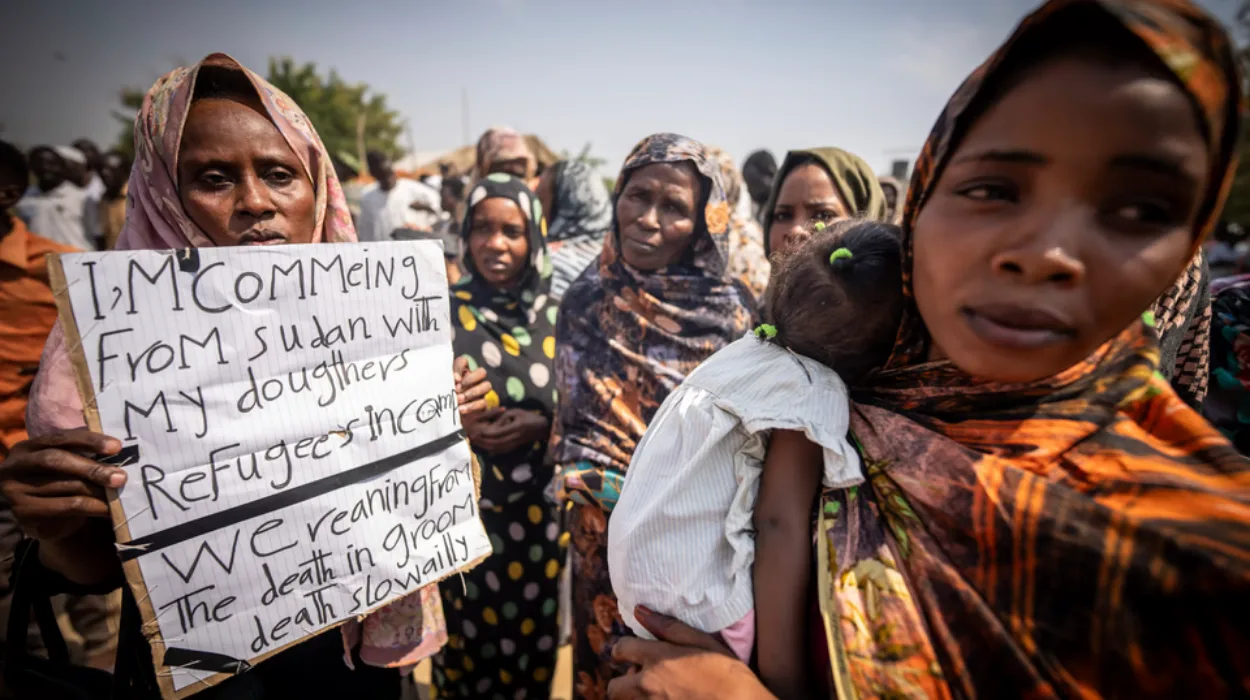
Mass returnees strained infrastructure: 1.2 million repatriated by March 2026, overwhelming Caracas slums with cholera outbreaks killing 400. UNICEF airlifted 10 million vaccine doses, targeting 65% child immunization gaps. Women’s collectives, empowered under Machado’s gender quotas, led community kitchens feeding 5 million daily.
Violence surged initially 1,800 homicides in December 2025 but dropped 60% post-amnesty for low-level soldiers. Indigenous Wayúu in Zulia blockaded borders over water rights, halting 20% truck aid. Urban youth, radicalized by TikTok disinformation, formed “Maduro Martyr” militias, bombing PDVSA pipelines in Anzoátegui, costing $200 million.
Regional and Global Repercussions
Colombia absorbed 500,000 new border crossers, prompting Petro’s $1 billion fence along 2,200 km. Brazil reinforced Roraima with 10,000 troops against Warao migrations. In the Caribbean, Trinidad Tobago sued over 1,500 Venezuelan boat people interdicted. NATO eyed Essequibo tensions, as Guyana leased US airbases amid Exxon drilling.
Russia evacuated Wagner remnants from Caracas, losing $1 billion arms contracts; Iran halted drone shipments. The OAS summit in Panama integrated Venezuela, conditioning $5 billion reconstruction on 2027 elections monitored by 1,000 observers. Trump’s reelection fast-tracked $10 billion Marshall Plan analog, tying aid to anti-China basing rights.
Challenges to Democratic Consolidation
Machado’s government faces 2027 elections under a new electoral council, but PSUV boycotts threaten quorum. Judicial independence lags, with 40% purges sparking lawyer strikes. Corruption persists: $800 million vanished from CLAP funds during transition. Exile leaders like Guaidó demand referendums on Chávez-era constitution.
Economic inequality festers top 10% hold 70% wealth fueling populist revivals. Climate shocks exacerbate woes: 2026 El Niño floods displaced 300,000 in Barlovento. Women’s rights advanced with abortion decriminalization, but femicide rates hover at 12 daily. Military privatization of gold mines in Bolívar funds rogue units, smuggling 50 tons yearly.
Path Forward and Long-Term Prospects
Stabilization hinges on 2027 polls, projected 55% Machado turnout. Oil diversification targets 20% non-hydrocarbon exports by 2030, via lithium in Aragua and ecotourism in Canaima. Reconciliation commissions model South Africa’s TRC, granting amnesty to 5,000 mid-rank Chavistas.
International donors condition $25 billion on anti-corruption benchmarks, per Paris Club. Youth unemployment at 50% demands vocational hubs training 500,000 in renewables. If navigated adeptly, Venezuela could mirror post-Pinochet Chile; failure risks Balkan-style fragmentation.