
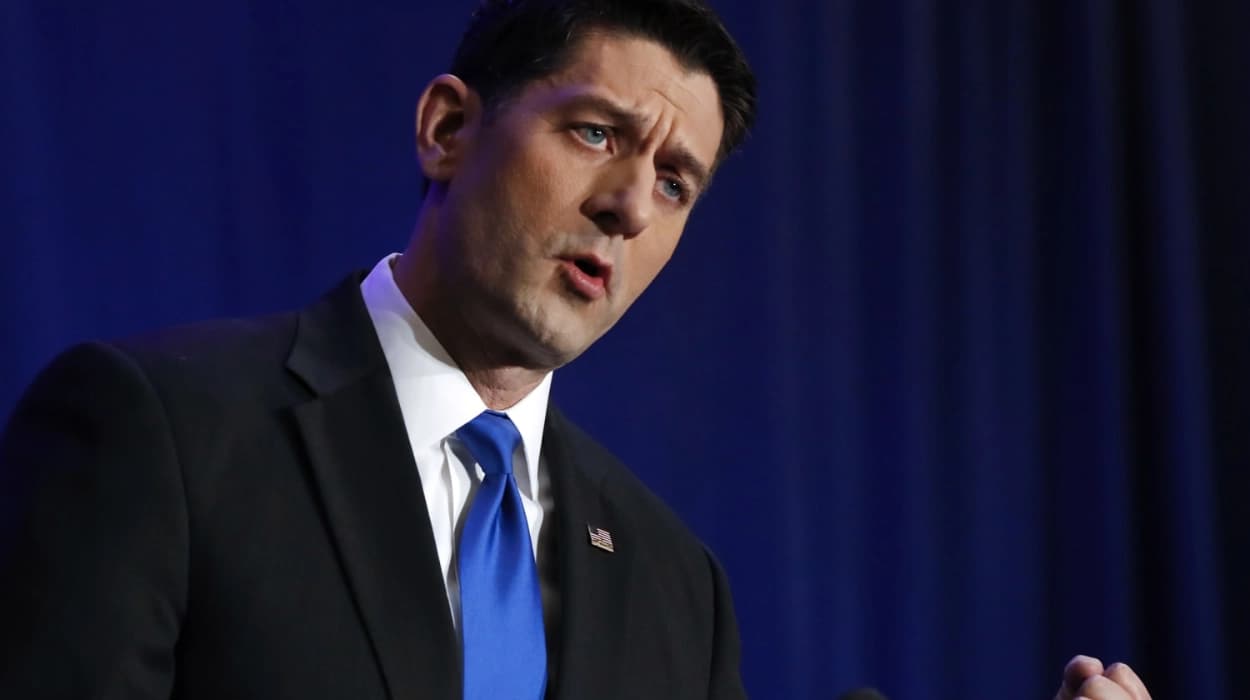
The representative from Wisconsin who led the House as speaker from 2015 to 2019 shaped American fiscal policy amid rising global economic pressures. Paul Ryan, drawing from his Midwest heritage, championed tax reforms and entitlement overhauls that echoed longstanding debates on balancing budgets in an era where, according to the International Monetary Fund, public debt often exceeds 100% of GDP in advanced economies. His approach blended conservative ideals with pragmatic governance, influencing how lawmakers address inequality and growth challenges the World Bank identifies as persistent, with over 700 million people living in extreme poverty worldwide.
Early Life and Rise in Wisconsin Politics
Paul Ryan grew up in Janesville, Wisconsin, a manufacturing hub where the closure of General Motors plants highlighted the vulnerabilities of Rust Belt communities. This environment instilled in him a focus on economic self reliance, a theme that defined his career. After studying economics and political science at Miami University in Ohio, he returned to Wisconsin, working as a marketing researcher before entering politics.
Elected to Congress in 1998 at age 28, Ryan quickly distinguished himself on budget issues. He served on the House Budget Committee, rising to chair it by 2011. His "Path to Prosperity" plans proposed trimming Medicare and Medicaid spending to curb deficits, aligning with OECD analyses showing entitlement programs consume over 50% of government budgets in many developed nations. From Wisconsin's 1st District, Ryan built a reputation as a policy wonk, authoring detailed blueprints that prioritized growth over expansionary spending.
This foundation propelled him toward House leadership. In 2015, following John Boehner's abrupt resignation amid internal GOP tensions, Ryan reluctantly accepted the speakership. He demanded a formal endorsement process, securing unity pledges from fractious Republicans a move that underscored his emphasis on institutional stability.
Taking the Helm as Speaker from Wisconsin
Stepping into the speaker's role in October 2015, Ryan inherited a divided House grappling with gridlock. Representing Wisconsin's industrial heartland, he pivoted toward unifying conservatives around shared goals like tax relief and deregulation. His early tenure focused on procedural reforms, such as empowering the Rules Committee to streamline debates, which helped pass key measures despite narrow majorities.
Ryan's speakership coincided with heated battles over funding the government and raising the debt ceiling recurring flashpoints in U.S. fiscal policy. Drawing on IMF warnings about unsustainable debt trajectories, he advocated for "better" reforms tied to spending hikes, though compromises often diluted bolder visions. His Wisconsin perspective, rooted in communities hit by trade shifts, informed defenses of free markets while acknowledging worker dislocations.
One hallmark was his push for bipartisan infrastructure talks, recognizing that, per World Bank data, inadequate infrastructure hampers 1.7 billion people globally from accessing reliable services. Though partisan divides limited outcomes, these efforts highlighted Ryan's bridge building style.
Landmark Tax Overhaul and Economic Vision
The pinnacle of Ryan's speakership arrived with the 2017 Tax Cuts and Jobs Act, a sweeping reform lowering corporate rates from 35% to 21% and doubling the standard deduction. Co authored with Senate leaders, it aimed to spur investment in line with economic models from the OECD, which link lower taxes to higher GDP growth in competitive environments.
From his Wisconsin base, Ryan framed the law as a boon for manufacturers facing global rivals. Proponents credited it with boosting wages and repatriating overseas profits, aligning with World Economic Forum insights on how tax competitiveness drives innovation. Critics argued it disproportionately benefited the wealthy, exacerbating inequality a concern echoed in UN reports where the top 1% hold 45% of global wealth.
Ryan defended the package vigorously, projecting trillions in revenue through dynamic growth effects. Passage required arm twisting within his caucus, showcasing his skill in corralling votes. The reform's enduring debate centers on its balance of supply-side incentives against fiscal prudence, much like IMF recommendations for pro growth policies amid slowing productivity.
Entitlement Reforms and Budget Battles
Ryan's blueprint extended to entitlements, where he proposed premium support for Medicare and block grants for Medicaid. These ideas sought to introduce market dynamics, addressing WHO data indicating healthcare costs strain 100 million households yearly into poverty. In Wisconsin, where aging demographics amplify such pressures, Ryan tested these concepts locally.
As speaker, he advanced budget resolutions incorporating these elements, though full enactment eluded him. The 2018 farm bill, for instance, included work requirements for SNAP benefits, reflecting his belief in personal responsibility amid World Bank findings that targeted aid lifts 736 million from poverty when paired with employment incentives.
Opposition from Democrats and moderates forced dilutions, but Ryan's persistence elevated entitlement sustainability as a bipartisan imperative. His annual budgets, balancing cuts with defense hikes, mirrored fiscal hawks' responses to UNESCO-noted education funding gaps, where inefficient spending leaves millions underserved.
Foreign Policy and Trade from a Wisconsin Lens
While domestic issues dominated, Ryan influenced foreign affairs through oversight roles. He backed sanctions on adversaries and free trade pacts, viewing them as vital for Wisconsin exporters facing OECD estimated trade barriers costing $1 trillion annually in lost opportunities.
On the Iran nuclear deal, Ryan rallied opposition, prioritizing security in a volatile world per WEF risk assessments. His speakership saw congressional pushback against executive overreach, reinforcing Congress's war powers a principle enduring beyond partisan lines.
Trade tensions, particularly with China, resonated in Wisconsin's dairy and manufacturing sectors. Ryan advocated renegotiated deals like USMCA, balancing protectionism with openness, as IMF analyses warn protectionism slows global growth by 0.5% points.
Leadership Style and Institutional Legacy
Ryan governed as a principled conservative, blending data driven arguments with personal outreach. He hosted "listening sessions" in Wisconsin and Washington, fostering dialogue amid polarization. This approach, rare in hyper partisan times, drew from his Catholic faith's emphasis on subsidiarity empowering local solutions.
Challenges abounded: the failed Obamacare repeal in 2017 tested his coalition building. Yet, Ryan stabilized the speakership, passing more legislation than predecessors amid slim margins. His 2018 retirement announcement, citing family priorities, avoided lame duck status, preserving influence.
Critics labeled him an austerity advocate out of touch with working families, but supporters praise his intellectual honesty. Per World Bank metrics, nations with disciplined budgets achieve 1-2% higher growth; Ryan's tenure embodied this trade off.
Navigating Partisan Divides and Key Compromises
Ryan's era featured shutdown averted by last minute deals and criminal justice reform via the First Step Act a bipartisan win reducing sentences for nonviolent offenders. This reflected his view that smart policy transcends ideology, aligning with UN Sustainable Development Goals on inclusive justice.
In education, he supported school choice expansions, targeting underserved areas where UNESCO reports 258 million children lack access. Wisconsin pilots informed these efforts, emphasizing competition to elevate outcomes.
Crisis management shone during natural disasters, with swift aid packages underscoring federalism's role.
Ryan's speakership from 2015 to 2019, anchored in Wisconsin values, left a blueprint for fiscal conservatism in an interconnected world. His reforms continue fueling debates on prosperity's path, reminding leaders that enduring progress demands tough choices amid global headwinds like those charted by the IMF and World Bank.