
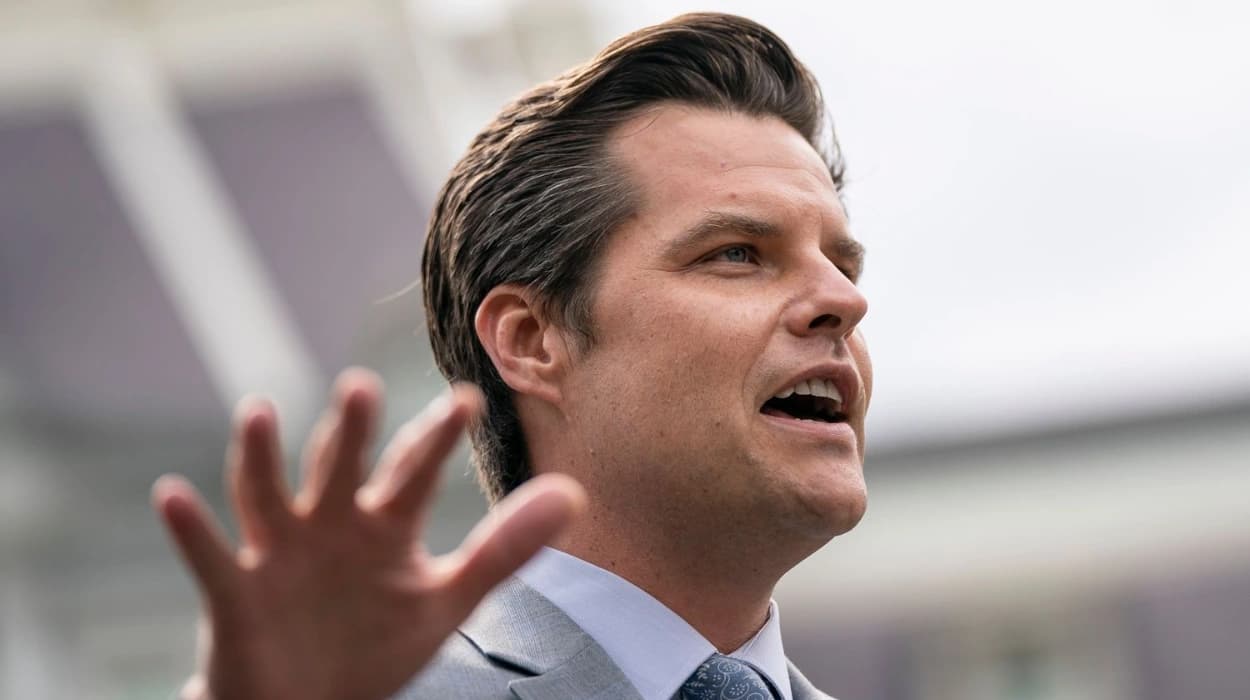
Matt Gaetz, a prominent political figure from Florida, has steadily become recognized as a leading voice within the broader movement of American populism. Throughout his political career, he has been distinguished not only by his outspoken and often provocative rhetoric but also by the unique way he engages with his supporters and tackles both local and national issues. His style and approach to politics have positioned him as a polarizing yet influential character in the current political landscape, drawing significant attention from media, analysts, and the public alike. By consistently voicing strong opinions and challenging established political norms, Gaetz has carved out a prominent role in shaping the conversation around populist ideas in the United States.
Florida’s Unique Political Landscape and Gaetz’s Rise
Matt Gaetz’s political rise is closely intertwined with Florida’s distinctive characteristics, which include a highly diverse population and a critical role in determining national election outcomes. The state's demographic makeup featuring a varied mix of ethnicities, age groups, and economic backgrounds creates a vibrant and competitive political environment. This complexity allows new and unconventional political voices like Gaetz to gain momentum by addressing the concerns of a wide ranging electorate. His career trajectory not only reflects these demographic realities but also corresponds with broader political shifts occurring both within Florida and across the United States.
Connecting with Voters Seeking Change
What sets Gaetz apart is his ability to resonate with voters disillusioned by traditional political institutions and looking for leadership that breaks with established norms. By boldly advocating for policies and rhetoric that challenge the political establishment, Gaetz positions himself as a champion for those who feel sidelined or ignored by mainstream discourse. This narrative of exclusion and demand for transformation has enabled him to cultivate a dedicated following eager for fresh and assertive leadership. Through his outspoken style and firm stance on key issues, Gaetz exemplifies how individual politicians can harness widespread political dissatisfaction to reshape electoral dynamics, particularly in influential states like Florida.
Political Style and Communication
Matt Gaetz’s political style captures the defining traits of contemporary populist movements, including straightforward, direct communication primarily through social media platforms. By framing political debates in clear “us versus them” terms, he appeals to voters who seek leaders that speak plainly and question the legitimacy of elite institutions. This approach creates a strong emotional connection with an audience that values transparency and authenticity in leadership. His messaging strategy also reflects a broader shift in political communication, where traditional media channels are increasingly bypassed in favor of direct engagement with constituents, allowing politicians to control their own narratives. This method fosters loyalty among supporters who feel unheard by mainstream sources and enhances Gaetz’s visibility in a crowded media landscape.
Florida’s Political Landscape
Florida’s political environment is distinctively shaped by a rich blend of cultural influences, migration flows, and evolving economic conditions. This diversity generates a highly competitive arena where vigorous debate thrives, making the state a microcosm of broader national political polarization. Within this context, figures like Gaetz find fertile ground to advance their agendas, often focusing on issues that emphasize nationalism, economic populism, and skepticism toward centralized federal power. The intense competition and cultural heterogeneity create unique challenges for politicians, as they must navigate varying voter concerns while addressing statewide as well as national issues. Florida’s role as a political bellwether ensures that shifts here can signal broader trends in American political culture.
Populism in the American Context
Populism in the United States often revolves around core themes such as economic fairness, immigration control, and the preservation of cultural identity. Leaders within this movement consistently present themselves as defenders of “common people” against what they describe as a detached and self serving elite. Gaetz’s political narrative fits squarely within this framework, focusing on protecting national sovereignty, expanding personal freedoms, and curbing government overreach. This brand of populism is not unique to the U.S.; it echoes similar movements in democracies across the globe where citizens express frustration with globalization and institutional power. Understanding these themes sheds light on the broader appeal and challenges of populism as it continues to influence political agendas both domestically and internationally.
Influence on Policy and Public Opinion
As an influential political figure, Matt Gaetz plays a significant role in shaping public opinion and legislative priorities within his party and beyond. His vocal support for deregulation, law enforcement, and critiques of mainstream media bias highlight issues that resonate with his base and influence broader conservative discourse. Figures like Gaetz can shift party dynamics by introducing more confrontational and populist elements into policy debates, especially during periods of heightened political polarization. His ability to galvanize supporters and dominate media attention allows him to propel specific issues to the forefront of national conversations. This influence extends to electoral strategies and legislative agendas, where populist rhetoric becomes a tool for mobilizing voters and reshaping party platforms.
Engagement with Controversial Issues
Gaetz’s career is marked by a willingness to engage with sensitive and controversial subjects that often provoke intense media scrutiny and public debate. This readiness to confront contentious topics exemplifies the confrontational nature typical of populist politics, which thrives on controversy as a means to sustain visibility and rally supporters. By challenging established norms and opposing political adversaries openly, he fosters a polarizing image that energizes both his supporters and detractors. This approach, while risky, helps maintain a persistent presence in public discourse and reinforces his persona as an unapologetic critic of the status quo. Such tactics are frequently employed by populist leaders to consolidate their influence and sustain momentum in fast moving political environments.
Broader Implications of His Political Role
The emergence and prominence of populist leaders like Matt Gaetz illustrate an ongoing shift in American political identity, highlighting the tension between globalization and nationalist sentiments. His political journey underscores the growing division between entrenched institutions and grassroots movements seeking greater representation and change. This dynamic reflects a deeper transformation in voter expectations, where constituents demand more direct and unfiltered political engagement from their representatives. Studying Gaetz’s role provides valuable insights into how populism is reshaping U.S. politics, raising questions about the balance between traditional governance structures and the demand for more responsive, locally focused leadership. This evolving landscape signals important trends that could shape the future trajectory of American democracy and its political culture.
Florida’s Role in National and Global Trends
Florida encapsulates many of the social, economic, and political forces shaping the wider American experience. Its diverse population and strategic geographic position make the state a critical stage for addressing complex challenges that both national and international bodies, including the World Economic Forum and the Organisation for Economic Co operation and Development (OECD), have identified as urgent priorities. Issues such as immigration, economic inequality, and cultural transformation deeply influence Florida’s political landscape and mirror broader debates occurring around the world. These challenges highlight the interconnected nature of local and global affairs, demonstrating how a single state can reflect larger societal trends.
Local Leadership and Global Implications
The way Florida confronts these multifaceted issues provides valuable insight into global patterns of governance and social cohesion. Political figures like Matt Gaetz emphasize these concerns in their agendas, showcasing a growing trend where national and local leaders address matters that extend beyond their immediate borders. Gaetz’s focus on immigration, economic disparities, and cultural change highlights the common struggles faced by communities worldwide. This alignment between local priorities and global challenges illustrates how regional politics contribute to and are shaped by international conversations about sustainable development and societal well being.
Adapting to Shifting Political Landscapes
The future of populism in Florida will evolve as political, social, and economic conditions change. Populist leaders must adapt their approaches to address shifting voter concerns like economic instability, immigration, and cultural issues while maintaining their core appeal of direct communication and anti establishment messages. Florida’s diverse and dynamic electorate poses both challenges and opportunities, requiring these leaders to show resilience and flexibility to stay influential in shaping the state’s and the nation’s political direction.
Lessons in Communication and Political Adaptation
Populist leaders in Florida offer important insights into how political survival depends on adaptability and effective communication. Utilizing modern platforms like social media, these figures engage directly with the electorate, bypassing traditional media channels and creating a more immediate connection with supporters. As the political environment grows more complex and voter expectations change, the ability to communicate authentically and swiftly becomes critical. Moreover, Florida’s experience highlights how populist politics must balance reinforcing core messages with addressing evolving voter demands, a delicate dance that requires skillful navigation of public sentiment. Studying how current and future populist leaders manage this balance provides valuable lessons on political agility in an era marked by rapid social change and heightened polarization.