
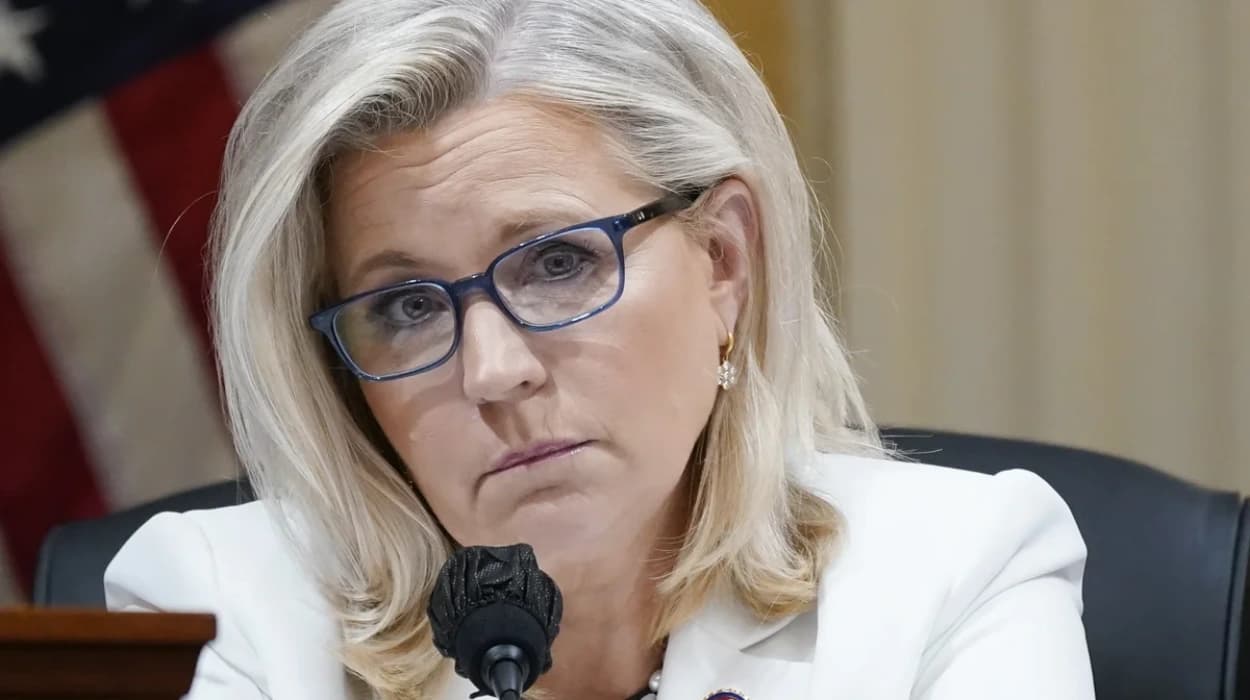
Liz Cheney’s political career is a compelling example of steadfast dedication to principle amid intense opposition. As a prominent figure in American politics, she has made her mark representing Wyoming, openly challenging former President Donald Trump, and playing a pivotal role on the January 6 Committee, an entity investigating the extraordinary events surrounding the Capitol attack. Her story reveals the complexities of modern politics in the United States, characterized by deep divisions and fierce debates about democracy, truth, and accountability.
Wyoming, Cheney’s home state, entrusted her with the responsibility of voicing its conservative yet pragmatic concerns in the U.S. House of Representatives. Coming from a politically influential family her father served as Vice President she leveraged this legacy while carving out her own identity as a policym
Liz Cheney's Role as Wyoming Representative
Wyoming, a state characterized by its vast open spaces and conservative leanings, has trusted Liz Cheney to represent its interests in the U.S. House of Representatives. Cheney’s political roots run deep; she is part of a prominent family legacy, her father being former Vice President Dick Cheney. However, she has forged her own path by focusing on issues critical to her state and the nation.
Wyoming’s economy relies heavily on energy production, agriculture, and rural development. Cheney has consistently advocated for policies that support these sectors, emphasizing the importance of energy independence and economic diversification. Her legislative efforts have aligned with the state’s priorities, ensuring that Wyoming's voice resonates in federal decision making forums.
Taking a Stand Against Trump’s Influence
Perhaps the most defining aspect of Cheney's recent political career is her staunch opposition to former President Donald Trump, especially regarding his conduct and claims surrounding the 2020 presidential election. Cheney’s criticisms are notable in a Republican Party that has, in many regions, grown increasingly aligned with Trump’s rhetoric and policies.
Refusing to shy away from controversy, Cheney criticized misinformation and efforts that sought to challenge the integrity of the democratic process. This stance initially isolated her politically within her party but highlighted her commitment to democratic principles and the rule of law. Cheney's position has contributed to ongoing discourse about the future of the Republican Party and political accountability in America.
The January 6 Committee: A Testament to Accountability
Following the unprecedented events of January 6, 2021, when the United States Capitol was stormed in an attempt to overturn presidential election results, the House of Representatives formed a select committee to investigate the attack. Cheney assumed a highly visible and active role as a member of this committee.
Her participation involved rigorous scrutiny of the causes and actors behind the Capitol breach, focusing on ensuring transparency and bringing forth facts to the public and policymakers. The committee’s work carries historic significance, as it addresses challenges to the peaceful transfer of power a cornerstone of American democracy.
Impact on American Democracy and Broader Political Implications
Cheney’s actions as a critic of Trump's election claims and a January 6 Committee member illustrate broader themes relevant to the health of democratic institutions worldwide. Across democracies, the principles of election integrity, institutional accountability, and peaceful political transitions remain central to stability, as noted by international bodies like the United Nations.
Political leaders who uphold these values, even at the expense of personal or political cost, reinforce the norms that protect democratic governance. Cheney embodies this role, pushing against trends that could undermine electoral confidence. Her stance resonates in discussions on the resilience of democracies against misinformation and polarization, which the World Economic Forum identifies as ongoing global risks.
Challenges and Controversies
Cheney’s journey has involved political and personal challenges. Her outspoken criticism of Trump has made her a target within her party, leading to electoral struggles such as losing the Republican primary in Wyoming a conservative stronghold. This development demonstrated the shifting dynamics within party politics, where loyalty to Trump often impacts traditional Republican unity.
Moreover, her role on the January 6 Committee has attracted both praise and backlash. Supporters commend her courage and dedication to democratic norms, while critics accuse her of deepening political divisions. These tensions reflect broader societal debates about political accountability and the limits of partisan loyalty in a democracy.
Cheney’s Broader Policy Focus and Legislative Initiatives
Beyond her well-known advocacy relating to Wyoming’s core industries, Cheney has engaged with a wider range of policy areas including national security, judicial integrity, and government accountability. Drawing from her family’s political heritage and her own tenure in Congress, she has emphasized the importance of a strong defense posture and has supported initiatives aimed at countering foreign interference in U.S. elections an issue acknowledged by international institutions as vital for safeguarding democracy.
In addition, Cheney has pushed for reforms to bolster the independence of the judiciary and strengthen anti corruption measures within federal agencies. These efforts reinforce her broader commitment to institutional integrity, a theme consistent throughout her political career.
Navigating Bipartisanship in a Divisive Era
In an era marked by polarized politics, Cheney’s approach has included attempts to engage with colleagues across party lines on shared democratic principles. While her opposition to Trump’s election allegations placed her at odds with many within her party, she has also worked with some Democrats on issues of election security and government transparency.
Her willingness to cross conventional partisan boundaries highlights a pragmatic aspect of her leadership style. This approach reflects practices recommended by global governance organizations, which emphasize collaboration as essential for effective democracy and policy making.
Strategic Engagement with Media and Public Discourse
Cheney’s utilization of media platforms to communicate her positions has been a critical factor in shaping public perception. She frequently appears in national interviews, congressional hearings, and public forums, diligently explaining her viewpoints on election integrity and democratic accountability.
This strategic communication ensures that her message reaches beyond Wyoming, influencing national and even international discussions about democratic resilience. Her media presence also underlines the growing importance of public narrative management in modern politics, a factor noted by political analysts and media studies experts worldwide.
Influence on the Republican Party’s Future Identity
Liz Cheney’s stance raises broader questions about the future ideological identity of the Republican Party. Her firm opposition to Trump and insistence on accountability suggest a vision for the GOP that returns to traditional conservative values, underscored by constitutional fidelity and rule of law.
Her political trajectory has sparked debate within the party regarding the balance between loyalty to key figures and adherence to broader democratic norms. Political commentators suggest that Cheney’s path could influence emerging Republican leaders who face similar dilemmas in aligning with party base and democratic principles.
International Perspective on Democratic Stewardship
Cheney’s advocacy resonates beyond U.S. borders, serving as a case study in democratic stewardship under pressure. International organizations like the UN and the Organization for Security and Cooperation in Europe emphasize the importance of leaders who stand up against misinformation and undemocratic tactics to maintain global democratic stability.
By confronting challenges such as election denial and political violence, Cheney’s actions align with global efforts to promote democratic transparency and resilience. Her leadership underscores the universal need for vigilance and courage in defending democratic institutions worldwide.
The Role of Personal Conviction in Shaping Political Legacy
A key element fueling Cheney’s public service is her personal conviction, which often places principle ahead of political convenience. This trait has drawn both admiration and criticism, illustrating the complex interplay between individual agency and collective party dynamics.
Her example demonstrates how deeply held beliefs can catalyze significant political shifts and inspire new movements within established political frameworks. It also serves as a reminder of the power and risk of standing firm in contentious political environments
Legacy and Long Term Significance
Regardless of immediate political outcomes, Liz Cheney's career marks a significant chapter in American political history. Her efforts highlight the complexities of balancing party allegiance with personal convictions in an era marked by intense political polarization. Cheney’s resolve to confront misinformation and defend institutional integrity may inspire future leaders navigating similar terrains.
Her role may serve as a case study for democratic resilience
and the importance of independent oversight within political systems. As global
democracies face challenges from authoritarian tendencies, Cheney’s story
emphasizes the value of courage and principle in safeguarding democratic norms.