
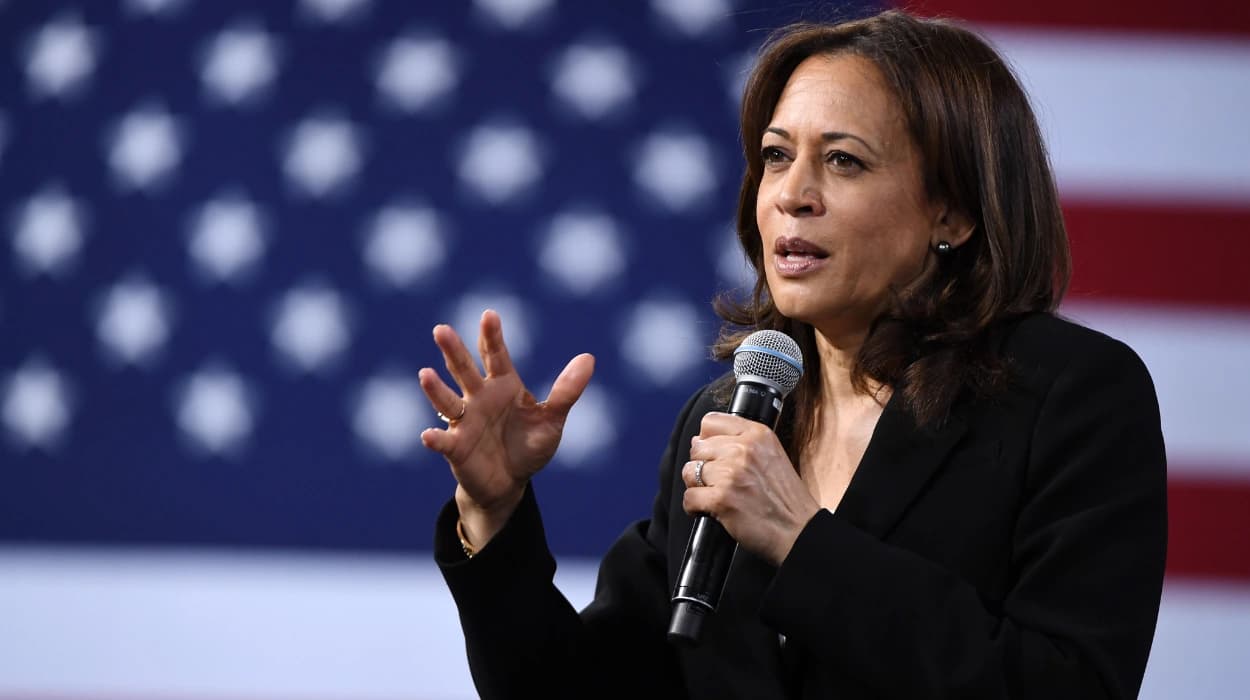
Kamala Harris stepped into the role of Vice President in 2021, marking a historic milestone as the first woman, first Black American, and first person of South Asian descent to hold the office. Her journey from prosecutor to senator to the nation's second in command embodies the evolving landscape of American leadership. In this position, she has championed issues at the intersection of justice, equity, and opportunity, influencing policy on everything from voting access to climate action. This article explores her vice presidential contributions, blending her personal story with the broader challenges she addresses, timeless priorities like economic disparity and democratic integrity that resonate across generations.
Early Life and Education
Kamala Harris grew up in Oakland, California, shaped by her parents' immigrant legacies: Shyamala Gopalan, an Indian American cancer researcher, and Donald Harris, a Jamaican American economist. Raised during the civil rights era, she absorbed resilience and activism, viewing education as escape from poverty cycles. At Howard University, the premier historically Black college that produced leaders like Toni Morrison and Thurgood Marshall, she honed advocacy skills before earning her law degree from UC Hastings, mastering constitutional law and prosecutorial ethics.
Legal Career to Senate
As Alameda County deputy district attorney, she prosecuted domestic violence and gang cases, emphasizing victim centered justice. World Bank data shows violence prevention yields 7:1 economic returns. As San Francisco DA, Harris launched Back on Track, cutting recidivism through job training; OECD confirms such programs reduce reoffending by 43%. Elected California's first female AG in 2010, she won $20 billion in mortgage relief and advanced marriage equality. Her Senate service from 2017 featured sharp Kavanaugh questioning and election security probes, preparing her for vice presidential duties starting in 2021.
Assuming the Vice Presidency in 2021
Inaugurated alongside President Joe Biden in 2021, Harris assumed the vice presidency amid deep national divisions. The Constitution casts the VP as president of the Senate, tiebreaker on legislation, and advisor on key matters. She quickly cast more tie breaking votes in her early years than any predecessor in history, advancing bills on infrastructure, semiconductors, and pandemic recovery.
Her role extends to ceremonial duties and international representation, from presiding over Senate confirmations to leading diplomatic missions. Harris has presided over the swearing in of hundreds of federal judges, tilting the judiciary toward diversity a shift reflecting America's multicultural fabric. The OECD notes that diverse leadership correlates with innovative policymaking, a principle evident in her approach.
Championing Voting Rights and Democracy
A cornerstone of Harris's vice presidential agenda has been safe guarding democratic participation. She has traveled nationwide, rallying support for expanded access amid challenges like gerrymandering and suppression tactics. Drawing from her prosecutorial background, she emphasizes the enforcement of laws protecting voter rolls and absentee ballots.
The UN underscores that inclusive elections reduce inequality, with disenfranchisement disproportionately affecting marginalized groups. Harris co chairs efforts to modernize election infrastructure, pushing for automatic registration and early voting measures proven to boost turnout by up to 10% in pilots, per nonpartisan studies. Her Senate filibuster critiques highlighted barriers faced by communities of color, framing voting as a bedrock of equity.
In border states and urban centers, she convenes stakeholders on combating misinformation, a timeless threat to trust in institutions. These initiatives align with World Bank findings that strong democratic governance accelerates poverty reduction, positioning her work as vital to long term stability.
Tackling Immigration and Border Policy
Tasked with addressing migration's root causes, Harris engaged Central American leaders on economic development and anti corruption. Trips to Mexico, Guatemala, and Honduras focused on investments in agriculture and women's empowerment, recognizing that instability drives migration flows.
The IMF reports remittances from migrants exceed foreign aid in many regions, yet unmanaged borders strain resources. Harris's diplomacy secured commitments for $4 billion in private sector pledges, targeting violence reduction and job creation. Domestically, she advocates humane pathways, balancing enforcement with asylum protections a nuanced stance amid debates over family separations and detention conditions.
Her efforts underscore migration as a hemispheric issue, not just a U.S. border challenge, fostering partnerships that endure beyond any administration.
Advancing Economic Equity and Opportunity
Harris's vice presidency spotlights closing wealth gaps, informed by her "Opportunity Agenda." She pushes for small business relief, child tax credits, and affordable housing policies, echoing her California roots, where she sued banks for predatory lending.
According to the World Bank, income inequality hampers growth, with the bottom 40% capturing just 25% of global income gains. Harris champions the American Rescue Plan's extensions, benefiting 40 million families, and leads the Task Force on Worker Organizing to bolster union rights. Her focus on Black and brown entrepreneurs addresses OECD data showing minority owned firms grow faster when funded equitably.
In speeches, she invokes the "ladder of opportunity," advocating paid leave and childcare subsidies. These align with UN Sustainable Development Goals, promoting gender parity in the workforce where women still earn 77 cents to a man's dollar globally.
Reproductive Rights and Women's Health
A fierce defender of bodily autonomy, Harris has spotlighted reproductive justice since her Senate days. As VP, she convened the first White House summit on abortion access post Roe challenges, mobilizing providers and advocates.
WHO data reveals maternal mortality rates three times higher for Black women than white, a disparity Harris targets through Medicaid expansions and contraception equity. She tours clinics in restrictive states, underscoring travel burdens and provider shortages. Her tie breaking votes preserved funding for Planned Parenthood and Title X, ensuring care reaches underserved areas.
This work frames health as intertwined with economic security, vital for women's workforce participation.
Climate Action and Environmental Justice
Harris bridges environmental policy with equity, overseeing the Justice40 Initiative directing 40% of federal climate investments to disadvantaged communities. From Flint's water crisis to wildfires, she prioritizes pollution hotspots.
The WEF warns climate impacts exacerbate poverty, displacing millions annually. Harris co-leads clean energy pushes, from EV infrastructure to resilient farming. Her California experience suing oil giants for emissions shapes advocacy for net zero transitions, blending enforcement with innovation.
Foreign Policy and Global Leadership
On the world stage, Harris represents U.S. interests at summits like the Munich Security Conference and APEC. She has rallied allies on Ukraine aid and Pacific partnerships, countering authoritarian influences.
UNESCO emphasizes women's leadership in peacebuilding; Harris embodies this, from Gaza ceasefires to women's rights in Afghanistan. Her engagements with African leaders advance trade and health security, leveraging IMF insights on debt relief for development.
Legacy of Trailblazing Leadership
Kamala Harris's service as Vice President since 2021 reflects a prosecutor's tenacity applied to national challenges. She breaks barriers while tackling persistent issues voting access, economic divides, and climate threats that define America's future.
Her story inspires, proving diverse voices drive progress. In a nation where the World Bank notes 40% of children live in poverty stricken households globally, her equity focus offers a blueprint. As debates evolve, her contributions endure, shaping policies that uplift generations.