
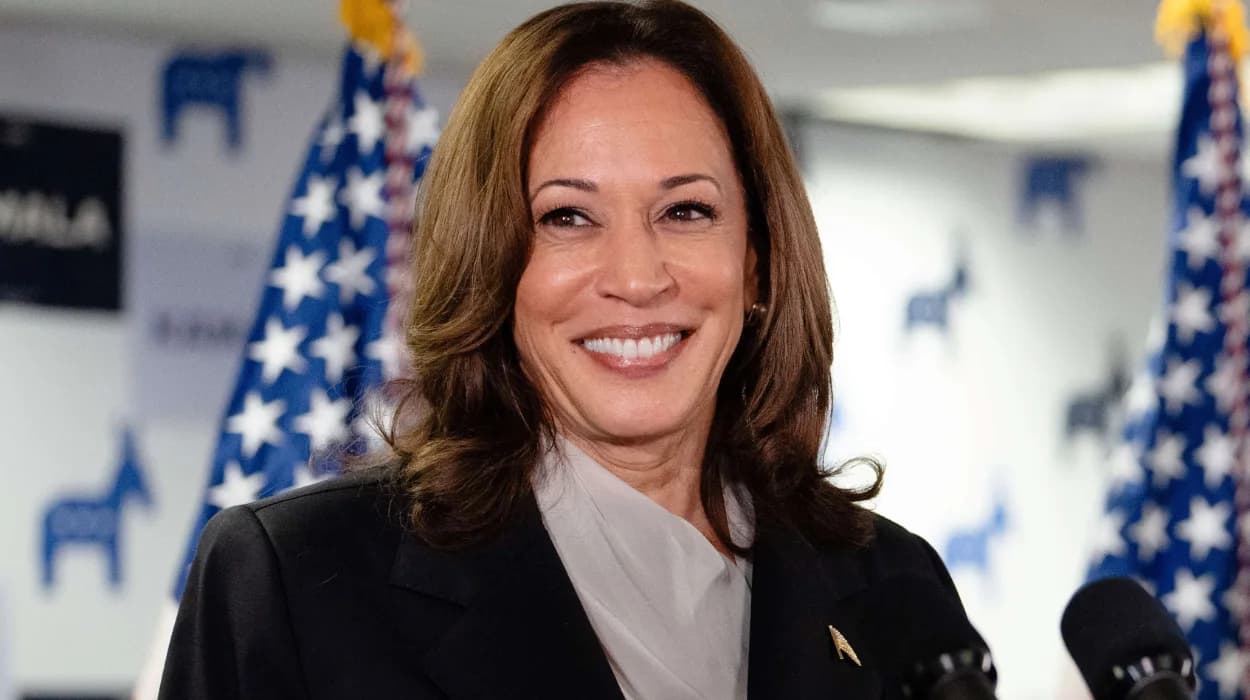
Kamala Harris embodies the modern American political ascent, rising from California's dynamic legal and senatorial arenas to the vice presidency since 2021. As the first woman, first Black American, and first person of South Asian descent in this office, her trajectory challenges traditional barriers in U.S. governance. This article explores her multifaceted career, policy priorities, and lasting influence on national discourse, offering timeless insights into leadership at democracy's crossroads.
Early Life and Path to Public Service
Born to an Indian American mother, Shyamala Gopalan, a pioneering cancer researcher, and a Jamaican American father, Donald Harris, an economist, Kamala Harris grew up in Oakland, California. This multicultural upbringing instilled a commitment to justice amid the state's diverse challenges, including urban inequality and immigration pressures.
Harris pursued higher education at Howard University and the University of California, Hastings College of the Law, sharpening her focus on public interest law. She began as a deputy district attorney in Alameda County, prosecuting cases involving gang violence and domestic abuse. Her approach emphasized accountability while advocating for reforms to address systemic biases, reflecting California's ongoing struggle with crime rates that affect millions annually, as noted by the OECD's reports on urban safety disparities.
This foundation propelled her into higher roles. In 2003, she became San Francisco's district attorney, where she implemented innovative programs like Back on Track, which offered job training and counseling to nonviolent offenders. Such initiatives highlighted her blend of toughness on crime and rehabilitation, key to navigating California's complex criminal justice landscape.
Breakthrough as California's Attorney General
Elected California's attorney general in 2010 the first Black woman and first woman of Indian heritage in the role Harris tackled statewide issues with a steady hand. She secured billions in mortgage relief for homeowners battered by the housing crisis, a move that underscored her economic pragmatism amid global financial vulnerabilities flagged by the IMF.
Harris prioritized consumer protection, securing convictions against major corporations for predatory lending and environmental violations. Her office fought human trafficking rings and pushed for marriage equality, aligning with UNESCO's emphasis on protecting vulnerable populations worldwide. Critically, she reformed truancy laws, arguing that absenteeism perpetuates cycles of poverty, a concern echoed by World Bank data showing education as a linchpin for breaking inequality traps.
Yet, her tenure drew scrutiny for decisions like not seeking the death penalty in high profile cases, sparking debates on prosecutorial discretion. These choices cemented her reputation as a bridge builder between progressive ideals and practical governance, essential inCalifornia'spolitically diverse electorate.
U.S. Senate Tenure: A Platform for National Reform
In 2016, Harris won election as U.S. senator from California, transitioning from state level advocacy to federal influence. As California's senator turned vice president since 2021, she brought prosecutorial rigor to Capitol Hill, serving on key committees like Judiciary, Intelligence, and Homeland Security.
Her Senate record focused on healthcare access, criminal justice overhaul, and immigration. Harris grilled nominees on voting rights and police accountability, drawing from California's experiences with demographic shifts. She co sponsored the First Step Act, a bipartisan prison reform bill reducing sentences for nonviolent crimes, addressing U.S. incarceration rates that dwarf global averages per World Bank analyses.
On the environment, she championed clean energy transitions, vital as the World Economic Forum warns of climate risks threatening coastal states like California. Harris also pushed for affordable housing legislation, responding to urban affordability crises where median home prices outpace incomes, per OECD housing metrics.
Ascension to the Vice Presidency
Harris's Senate prominence led to her selection as vice presidential running mate in 2020, culminating in her swearingin as the 49th vice president since 2021. In this role, she casts tie breaking votes in a closely divided Senate, advancing infrastructure investments and pandemic recovery efforts.
As president of the Senate, she oversees proceedings and advises on judicial nominations, upholding constitutional duties. Her background as California's senator turned vice president since 2021 uniquely equips her to address federal state tensions, from disaster response in wildfire prone regions to tech regulation amid Silicon Valley's innovations.
Key Policy Priorities and Global Influence
Criminal Justice and Equity
Harris's career arc underscores a commitment to equitable justice systems. She advocates for ending cash bail and expanding mental health services in policing, informed by California's pilot programs. Globally, her efforts resonate with UN Sustainable Development Goals targeting reduced inequalities, where systemic reforms could lift millions from poverty cycles.
Economic Opportunity and Innovation
Drawing from California's entrepreneurial spirit, Harris promotes workforce development and small business support. She backs initiatives for broadband expansion in underserved areas, countering digital divides highlighted by the World Bank, where connectivity gaps hinder economic mobility.
Climate and Immigration Challenges
On climate, Harris pushes resilient infrastructure, vital for states facing rising seas and droughts. Her immigration stance emphasizes border security paired with pathways to citizenship, navigating humanitarian crises akin to those tracked by UNHCR.
Healthcare and Women's Rights
Harris fights for universal healthcare access and reproductive rights protections. Her work aligns with WHO data on maternal health disparities, advocating policies that ensure equitable care nationwide.
Leadership Style and Challenges
Harris's style blends prosecutorial precision with coalition building, evident in Senate negotiations and White House briefings. Critics note her sometimes cautious public persona, but supporters praise her methodical approach to complex issues like supply chain resilience, a perennial concern per IMF reports.
As vice president, she leads on voting rights and rural development, traveling extensively to engage communities. Her multicultural heritage fosters diplomacy, strengthening U.S. ties in the Indo Pacific and beyond.
Navigating Partisan Divides
In a polarized era, Harris exemplifies cross aisle collaboration. Her endorsement of bipartisan bills on infrastructure and gun safety reflects a pragmatic ethos, essential for addressing OECD noted declines in public trust in institutions.
Challenges persist, including managing Senate dynamics and public expectations. Yet, her resilience honed in California's competitive politics positions her as a steady force.
Kamala Harris's journey from California's legal frontlines to the vice presidency since 2021 illuminates pathways for diverse leaders. Her focus on justice, economy, and equity shapes enduring policy conversations, reminding us that effective governance demands vision rooted in experience. As global institutions like the UN and World Bank stress interconnected challenges, her influence extends beyond borders, inspiring reforms that promote inclusive prosperity