
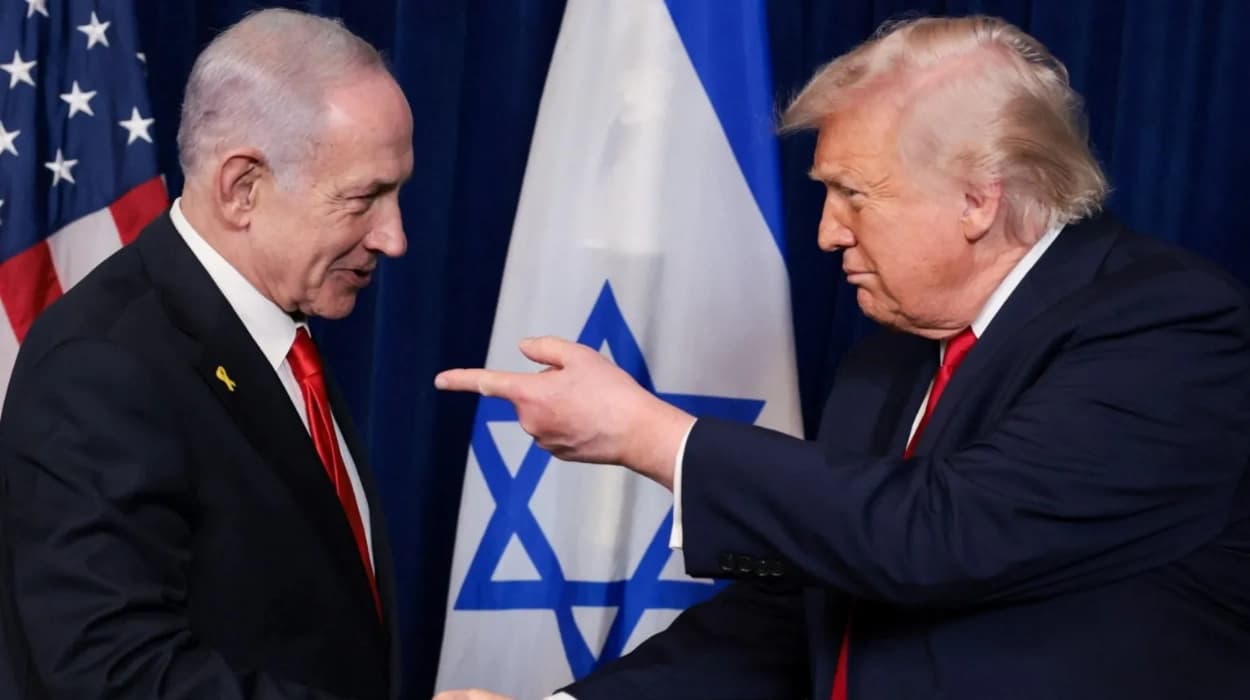
- Israeli Prime Minister Benjamin Netanyahu has agreed to join a peace-focused advisory board proposed by US President Donald Trump, as confirmed by official statements from both governments.
- The board is described as a consultative body to support US-led diplomatic efforts, conflict resolution, and regional security initiatives, particularly in the Middle East.
- The move formalises ongoing contacts between Netanyahu and Trump on normalisation processes, security cooperation, and broader peace frameworks.
- Further details on the board’s structure, full membership, and meeting timetable are expected from the Israeli and US administrations.
- The advisory panel will provide non-binding guidance without replacing existing official diplomatic channels or agreements.
Jerusalem (Washington Insider Magazines) - Israeli Prime Minister Benjamin Netanyahu has agreed to join a peace-focused advisory board proposed by United States President Donald Trump, according to official statements issued in both capitals. The initiative is described as a consultative body intended to support diplomatic efforts and conflict-resolution initiatives led from Washington. The move marks a formalisation of ongoing contacts between the two leaders on regional security, normalisation processes and broader Middle East peace frameworks. Further details on the board’s structure, membership and timetable for first meetings are expected to be released by the respective administrations.
Prime Minister Netanyahu’s office confirmed that he had accepted an invitation from President Trump to serve on the board in a personal advisory capacity alongside other international figures. The White House said the board would focus on facilitating dialogue, supporting diplomatic outreach and sharing experience from past negotiation processes.
Both sides emphasised that the board would not replace existing official channels or agreements, but would operate as a forum for consultation and exchange of views on peace-related initiatives.
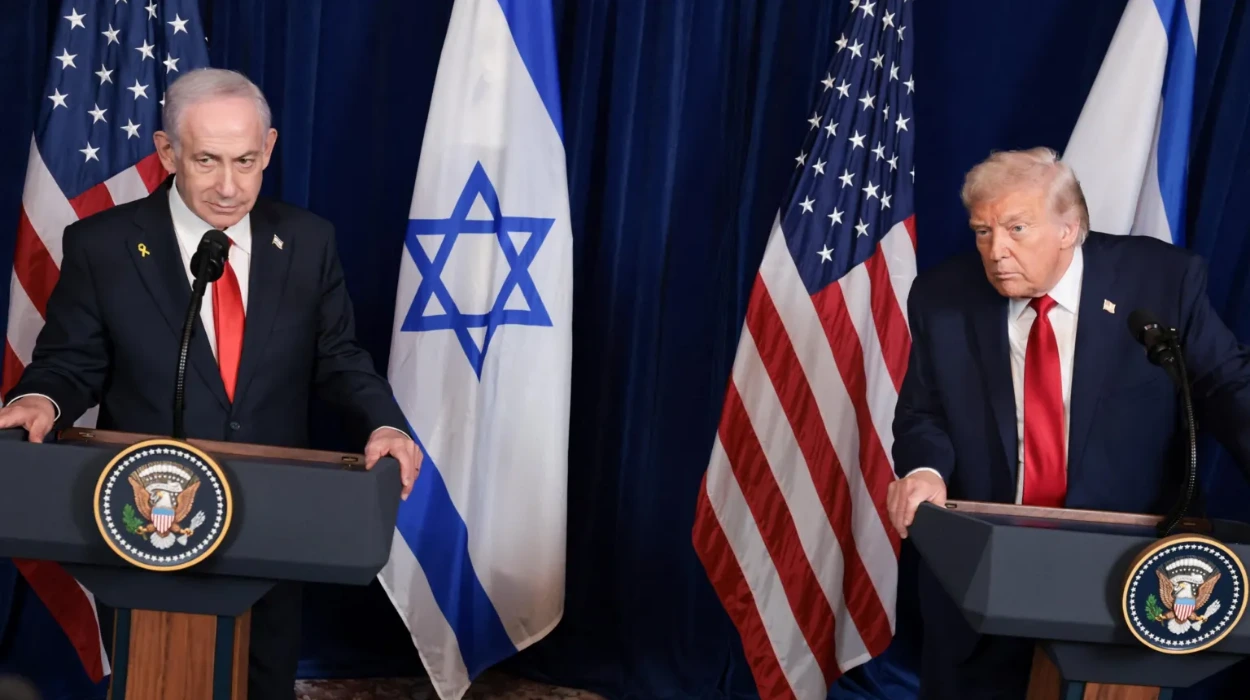
Announcement of Netanyahu’s decision to join peace board
 Credit: Reuters
The decision by Benjamin Netanyahu to join President Trump’s proposed Peace Board was announced in coordinated communications from Jerusalem and Washington. Official readouts described the step as part of continued cooperation between Israel and the United States on regional diplomacy and security issues.
Netanyahu’s participation was framed as an extension of his long-standing involvement in peace and normalisation discussions in the MiddleEast.
According to the statements, the board is envisaged as an advisory structure convened by the US president to provide guidance on peace initiatives and related diplomatic efforts. It will bring together political figures and experts with previous experience in negotiations and conflict resolution. The announcement did not specify a start date for the board’s activities, but indicated that preparatory work is under way to define its work methods and agenda.
Objectives and scope of Trump’s Peace Board
The proposed Peace Board has been presented as a consultative mechanism designed to support diplomatic initiatives undertaken by the US administration. Its stated objectives include facilitating exchanges on conflict de-escalation, supporting talks between regional actors and drawing on previous lessons from peace processes.
The board is intended to offer non-binding advice rather than take formal decisions on behalf of governments.
The scope of the body, as outlined in the official communications, covers a broad range of peace and security topics relevant to US foreign policy and regional stability. These may include support for dialogue between states, backing for existing agreements and consideration of new proposals for normalisation and cooperation.
The board’s work is expected to be coordinated with existing institutional frameworks, including bilateral and multilateral channels already in place.
Context of US–Israel cooperation on regional diplomacy
Netanyahu’s decision to join the Peace Board comes against the background of close strategic and diplomatic ties between Israel and the United States. The two governments have repeatedly highlighted their cooperation on security, intelligence-sharing and regional diplomatic initiatives.
This includes support for agreements aimed at normalising relations between Israel and several Arab states, as well as ongoing contacts on issues such as Iran, regional security arrangements and economic cooperation.
The United States has also maintained a central role in efforts to facilitate dialogue between Israel and its neighbours. Successive US administrations have engaged with Israeli governments on peace initiatives, security guarantees and broader regional frameworks. The creation of an advisory body focused specifically on peace-related questions is presented as an additional tool to support these long-standing diplomatic efforts.
Structure, composition and functioning of the advisory board
Official information released so far indicates that the Peace Board will operate as an advisory forum convened by the US president. Membership is expected to include political leaders, former officials and specialists with direct experience in peace negotiations and regional diplomacy. Netanyahu’s participation places a sitting head of government among the board’s members, underlining the high-level political profile of the initiative.
The board is expected to meet periodically, either in person or through virtual formats, to provide input on ongoing or planned peace initiatives. It will not have executive or decision-making powers, and any recommendations it produces will be advisory in nature. The White House has indicated that the board’s work will be aligned with broader US foreign-policy objectives and will complement, rather than duplicate, existing diplomatic mechanisms.
Reactions from Israeli political actors and institutions
Within Israel, the announcement of Netanyahu’s membership of the Peace Board has been received in the context of his established role in foreign and security policy. As prime minister, he already leads Israel’s engagement with foreign governments and international organisations on matters of diplomacy and security.
His participation in the board is presented by his office as consistent with this role and as a way of contributing to wider international efforts on peace.
Israeli institutions involved in foreign affairs and security are expected to continue their existing responsibilities, including the foreign ministry, defence establishment and relevant parliamentary committees. The creation of an external advisory structure in Washington does not alter the formal distribution of powers within Israel’s own decision-making system.
Any input Netanyahu provides to the board will sit alongside the country’s established domestic processes for authorising agreements and policy positions.
Implications for Israeli regional policy and peace initiatives
Netanyahu’s involvement in the Peace Board situates Israel prominently within the proposed advisory framework on regional peace questions. Through this role, he is expected to share perspectives based on Israel’s previous negotiations, security concerns and experience with normalisation agreements. This may include drawing on past talks with Palestinian representatives, as well as engagement with Arab and regional partners under various diplomatic frameworks.
The initiative also provides an additional channel through which Israeli considerations can be presented directly to the US president in the context of peace-related discussions. According to the information released, this channel is intended to complement, rather than replace, the regular bilateral contacts and strategic dialogues already in place. The board is expected to focus on broad guidance rather than case-by-case operational decisions on specific tracks or files.
US administration’s presentation of the initiative
 Credit: Reuters
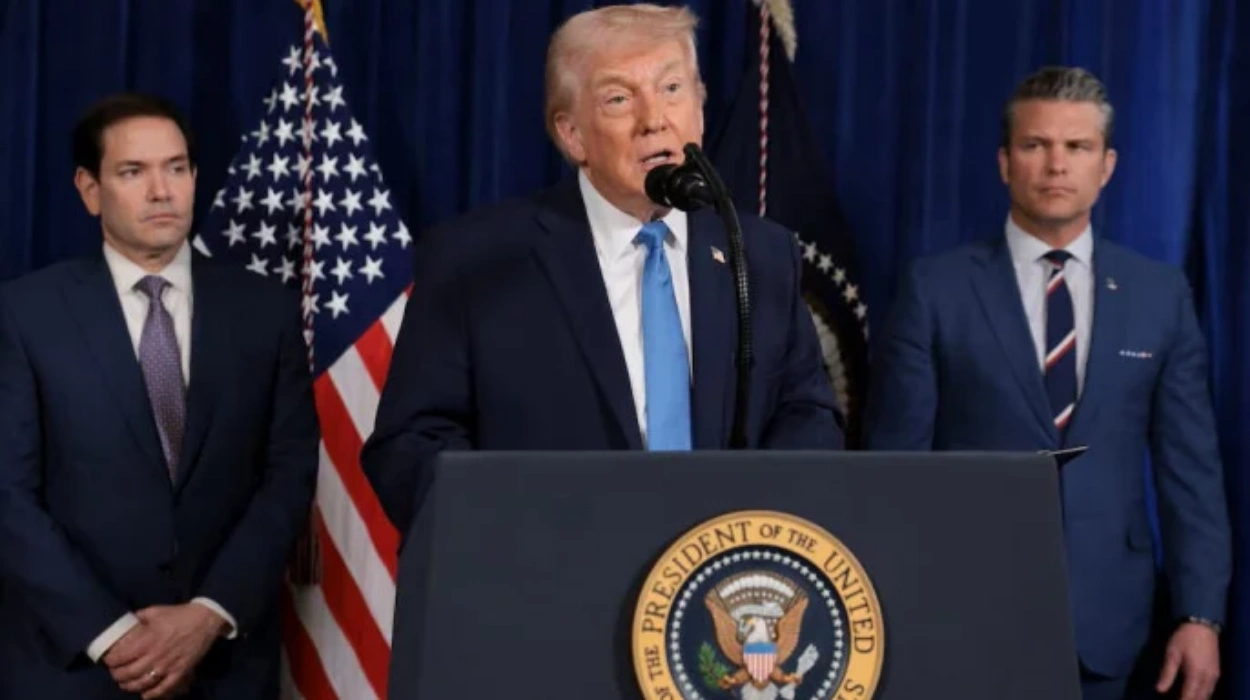
The US administration has described the Peace Board as part of its wider approach to conflict resolution and diplomacy. By convening an advisory body that includes international political figures, the White House aims to centralise expertise on negotiation strategies, regional dynamics and implementation of agreements.
The initiative is framed as a way to ensure that peace proposals are informed by the experience of individuals who have previously taken part in similar processes.
The administration has also underlined that the board’s recommendations will feed into policy discussions but will not prejudge the outcome of any negotiations conducted between parties. Official statements emphasise continuity with existing US commitments and legal frameworks governing foreign policy and diplomacy. The creation of the board is presented as an organisational measure to support ongoing work rather than as a formal new institutional layer.
International and regional dimension of the proposed board
The Peace Board is conceived as an international panel rather than a purely national advisory group. The inclusion of foreign leaders and experienced negotiators reflects an intention to incorporate a wide range of perspectives on peace and security issues. Netanyahu’s decision to join the body places Israel among the key participants in this consultative format.
The board’s work is expected to focus on regions and conflicts where the United States is already engaged diplomatically. This includes the Middle East, where the US has long-standing security partnerships and mediation roles, as well as other areas where peace initiatives are under way. The advisory nature of the board means that its influence will depend on the degree to which its guidance is taken into account in policy formation and diplomatic practice.
Procedural next steps and implementation timeline
Following the announcement of Netanyahu’s agreement to join the Peace Board, the next steps involve finalising the board’s membership, terms of reference and working procedures. The US administration is expected to publish additional details on the composition of the body and the schedule for its first meetings. These decisions will clarify the operational aspects of the initiative, including how often it will convene and how its advice will be transmitted to policymakers.
Until those details are made public, the announcement primarily signals a political and diplomatic commitment to the advisory framework rather than a detailed operational plan. Both the Israeli government and the US administration have indicated that they intend to proceed with the establishment of the board and to integrate its work into ongoing diplomatic efforts.
Further announcements are anticipated as organisational arrangements are completed.