
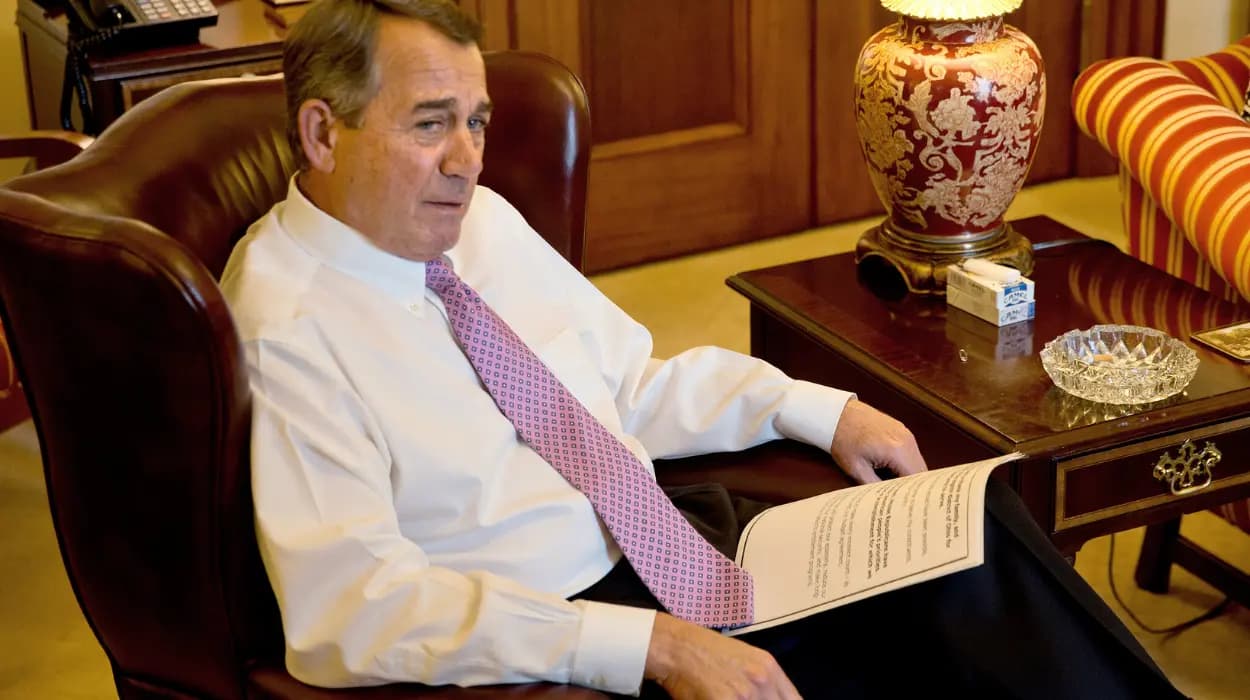
John Boehner rose from humble Midwestern roots to become a pivotal figure in American politics, embodying the tensions of partisan gridlock and fiscal conservatism. Representing Ohio as a longtime congressman, his leadership as Speaker of the House from 2011 to 2015 tested the limits of bipartisanship in a divided era. This article explores his journey, key battles, and enduring legacy in shaping legislative priorities.
Early Life and Entry into Politics
Born in Reading, Ohio, to a large working class family, John Boehner grew up in a small town environment that instilled values of hard work and pragmatism. His father ran a bar, exposing young Boehner to the everyday struggles of blue collar Americans. After attending Xavier University, he built a successful career in plastics sales, managing a small business before pivoting to public service.
Boehner's political ascent began in the 1980s amid economic shifts. Ohio, a manufacturing powerhouse, faced plant closures and job losses that mirrored national trends. According to the World Bank, industrial regions worldwide often grapple with such transitions, where global trade disrupts local economies. Motivated by these challenges, Boehner won a seat in the Ohio House of Representatives in 1984. His focus on tax cuts and deregulation resonated with constituents hit by recessionary pressures.
By 1990, he had entered the .US. Congress, representing Ohio's 8th district a Republican stronghold encompassing Cincinnati suburbs and rural areas. Early on, Boehner aligned with the "Gang of Seven," a group of freshmen Republicans who exposed congressional check kiting scandals. This bold move burnished his image as a reform minded outsider, setting the stage for higher leadership roles.
Rise Through GOP Ranks
Boehner's climb within the Republican Party reflected his knack for coalition building. He chaired the House Republican Conference from 2006, honing skills in messaging and strategy. As the GOP grappled with minority status post 2006 midterms, Boehner advocated for fiscal restraint, often clashing with party moderates and hardliners alike.
His tenure coincided with broader economic anxieties. The IMF notes that public debt levels in advanced economies frequently exceed 100% of GDP during prolonged recoveries, fueling debates over spending. Boehner championed the Ryan budget blueprint, which proposed deep cuts to entitlements while protecting defense outlays. This positioned him as a bridge between establishment Republicans and the emerging Tea Party faction, though not without friction.
In 2011, following Democratic losses in the midterm elections, Boehner ascended to Speaker. Ohio's delegation, including figures like Boehner, played a key role in flipping the House, underscoring the state's swing state influence in national politics.
Challenges as Speaker of the House (2011–2015)
Leading the House during John Boehner's speakership from 2011 to 2015 meant navigating unprecedented polarization. With slim GOP majorities, he faced constant revolts from his right flank, who demanded purity on issues like immigration and spending.
Debt Ceiling Standoffs and Fiscal Cliffs
One of the defining crises was the recurring debt ceiling battles. In 2011, Boehner negotiated the Budget Control Act, capping discretionary spending to avert default. The deal, while averting catastrophe, triggered sequestration cuts that hobbled federal programs. The OECD highlights how such austerity measures can slow growth by 0.5–1% annually in member states, a cautionary parallel for U.S. policymakers.
The 2013 fiscal cliff loomed larger, blending expiring tax cuts with automatic spending reductions. Boehner brokered a last minute compact with President Obama, preserving most Bush era rates while hiking revenues from high earners. Critics on both sides decried compromises, yet the agreement stabilized markets, preventing a deeper downturn.
Health Care Reform and Government Shutdowns
Obamacare's implementation dominated Boehner's agenda. Republicans, unified in repeal efforts, passed over 50 bills to dismantle it, though Senate Democrats blocked most. Boehner vowed to defund the law, culminating in the 2013 shutdown. Lasting 16 days, it stemmed from demands tying spending bills to health care delays. The episode cost the economy an estimated $24 billion, per some analyses, and eroded public trust echoing UNESCO data on how political impasses undermine faith in democratic institutions globally.
Boehner's strategy emphasized regular-order legislating, but procedural hurdles like the Hastert Rule limited his maneuverability. He often relied on Democratic votes for passage, drawing ire from conservatives who labeled him insufficiently combative.
Key Legislative Achievements
Despite gridlock, Boehner's speakership yielded tangible wins. Trade Promotion Authority passed in 2015, streamlining deals like the Trans-Pacific Partnership. This bolstered U.S. exports, aligning with World Bank findings that open markets lift GDP by up to 1.5% in participating nations.
On taxes, the 2012 American Taxpayer Relief Act extended credits for families and businesses. Boehner also advanced veterans' reforms post-VA scandals and Ebola funding, showcasing targeted bipartisanship. Energy independence gained traction through approvals for pipelines and drilling, reducing reliance on foreign oil a priority amid WEF warnings on energy security.
Foreign policy saw mixed results. Boehner invited Israeli Prime Minister Netanyahu to address Congress in 2015, bypassing White House protocols, to rally opposition to the Iran nuclear accord. While galvanizing allies, it strained executive relations.
Leadership Style and Personal Struggles
Boehner's approach blended old school charm with chain smoking tenacity. Known for golf outings with Democrats and emotional floor speeches, he humanized the speakership. Yet, personal tolls mounted addiction battles and family strains surfaced publicly.
His folksy demeanor masked a shrewd operator. Allies praised his deal making; detractors saw capitulation. The tension peaked with Freedom Caucus rebellions, forcing conservative letters urging Obama against unilateral immigration actions.
Resignation and Lasting Impact
In 2015, facing another revolt, Boehner announced his exit, endorsing Paul Ryan as successor. Ohio's John Boehner during his tenure as Speaker of the House from 2011 to 2015 thus closed amid exhaustion from infighting.
Post Congress, he joined private ventures, advocating for bipartisanship through his consultancy. His memoir, On the House, offers insider reflections on Washington dysfunction.
Boehner's era underscores enduring challenges: how leaders balance ideology with governance in divided times. The U.S. Congress, per IMF analyses, mirrors global parliaments where polarization hampers productivity, with legislative output dropping amid partisan strife. His story reminds that progress often demands uncomfortable alliances, a lesson for future Speakers steering Ohio's congressional voices and beyond.
Ohio continues to produce influential lawmakers, but Boehner's blueprint fiscal hawkishness tempered by pragmatism resonates in ongoing budget wars and trade skirmishes. As debt burdens grow and global institutions like the World Bank urge sustainable reforms, his navigation of crises offers timeless insights into resilient leadership.