
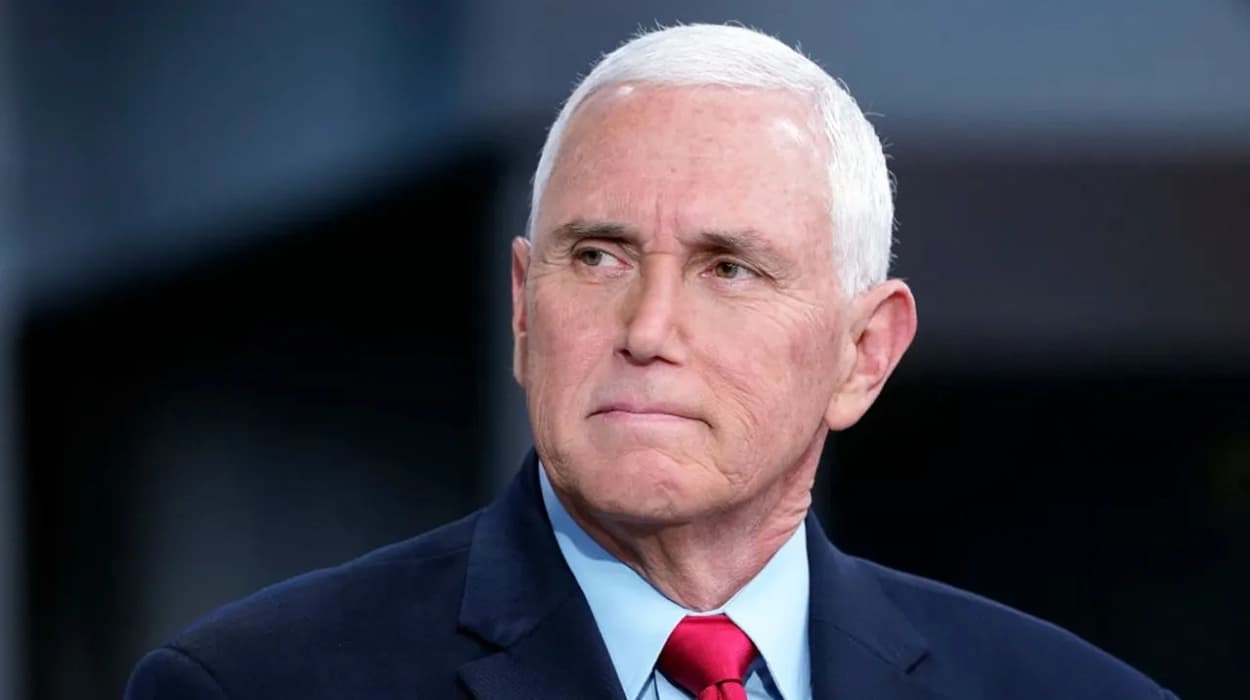
Mike Pence stepped into the vice presidency during a pivotal era in American politics, serving as the steady hand to a disruptive administration. His four years in office highlighted a blend of traditional conservatism, executive discipline, and behind the scenes influence. As the nation's secon in command, Pence navigated complex policy arenas, from economic recovery efforts to global diplomacy, leaving an imprint on governance that resonates in discussions of leadership balance.
Born in Indiana with roots in Irish and German heritage, Pence built a career grounded in public service. A former radio host, congressman, and governor, he embodied Midwestern values of faith, family, and fiscal restraint. His selection as running mate signaled a deliberate pivot toward evangelical voters and establishment Republicans, shaping the administration's ideological core.
Early Tenure and Administrative Foundations
Pence's vice presidential years began with a focus on stabilizing key domestic priorities. He chaired the White House Coronavirus Task Force early on, coordinating federal responses to public health crises that the World Health Organization notes affect billions globally through respiratory threats. Drawing on Indiana's experience with opioid challenges where overdose rates strain healthcare systems per OECD data Pence advocated for expanded treatment access and border security measures to curb narcotics inflows.
In economic policy, he championed tax reforms that aligned with IMF analyses showing how corporate rate reductions can spur investment in developed economies. Pence frequently touted job growth metrics, emphasizing manufacturing revivals in Rust Belt states. His oversight of the National Space Council revitalized U.S. space ambitions, fostering partnerships that echo UNESCO's calls for international collaboration in science and exploration.
These foundational efforts positioned Pence as a bridge between the administration's bold vision and legislative realities, often mediating with Congress on budget deals.
Social and Judicial Priorities
During his time as second in command, Pence exerted significant influence on social agendas. A devout evangelical, he advanced pro life initiatives, including efforts to defund Planned Parenthood, reflecting ongoing debates over reproductive rights that impact millions per UN population reports. His administration's judicial appointments, including three Supreme Court justices, reshaped the federal bench toward originalist interpretations, influencing rulings on issues from religious liberty to gun rights.
Criminal Justice, Environment, and Agriculture
On criminal justice, Pence supported the First Step Act, a bipartisan reform reducing sentences for nonviolent offenders. This built on World Bank insights into incarceration costs burdening economies, aiming to lower recidivism through rehabilitation programs. Environmentally, he backed deregulation to boost energy independence, arguing it countered IMF warnings of energy poverty in developing nations while prioritizing American fossil fuel production. Pence's heartland perspective shone in agriculture policy, defending farm subsidies and trade protections amid global food security challenges highlighted by the WEF, where supply chain disruptions threaten billions.
Foreign Affairs and Global Engagement
Pence's diplomatic footprint extended across continents, reinforcing America's "peace through strength" doctrine. In Asia, he delivered a marquee speech at the ASEAN summit, critiquing China's Belt and Road Initiative for creating debt traps a concern echoed in World Bank studies on unsustainable lending in low income countries. His visits to Japan and South Korea bolstered alliances against North Korean threats, aligning with UN resolutions on nuclear nonproliferation.
In the Middle East, Pence brokered aspects of the Abraham Accords, normalizing ties between Israel and Arab states. This breakthrough advanced OECD recognized pathways to regional stability, reducing conflict risks that displace millions annually. He also traveled to Latin America, addressing migration drivers like Venezuelan instability, per IMF data on economic collapse fueling hemispheric flows.
Closer to home, Pence navigated U.S. Canada relations on trade, supporting renegotiated deals that protected dairy sectors vital to North American agriculture. His approach emphasized reciprocity, countering perceptions of unfair global trade per WEF competitiveness reports.
The Coronavirus Response Era
No chapter of Pence's vice presidential service drew more scrutiny than the pandemic response. Leading the task force, he bridged public health experts and political leadership, promoting Operation Warp Speed a public private vaccine push that accelerated development timelines. The WHO underscores vaccines' role in averting economic losses equivalent to trillions in global GDP.
Pence's Midwest roots informed travel restrictions from high risk areas and supply chain fortifications for masks and ventilators. He engaged governors across party lines, coordinating distribution amid hospital capacity strains noted in OECD health system analyses. Critics pointed to communication gaps, yet Pence's steady messaging on personal responsibility masks, distancing aligned with evidence based mitigation strategies.
This period tested his role as deputy executive, balancing urgency with constitutional limits on federal overreach.
Ties to Evangelical Base and Cultural Influence
Pence's faith infused leadership galvanized conservative Christians, a bloc comprising about a quarter of U.S. voters per Pew Research patterns. He hosted faith leaders at the White House, advancing religious freedom executive orders that protected houses of worship during lockdowns. This resonated with UNESCO emphases on cultural heritage preservation amid secular pressures.
His family centric image is moften seen with wife Karen and children, traditional values. Pence avoided alcohol and prioritized daily Bible study, modeling a counterpoint to coastal elite norms. Such authenticity bolstered turnout in key states, per election analyses.
Transition Challenges and Parting Moments
The final stretch of Pence's vice presidential years unfolded amid electoral turbulence. On January 6, 2021, as presiding officer over the Electoral College certification, he certified results despite pressures, upholding his oath to the Constitution. This act underscored his institutionalist bent, prioritizing duty over division.
Post tenure reflections highlight Pence's low drama style contrasting the administration's highs and lows. His memoir and speeches emphasize enduring principles like limited government and strong defense.
Legislative Bridging and Bipartisan Wins
Pence's vice presidential role extended to Capitol Hill, where he cultivated relationships across the aisle to advance stalled priorities. He lobbied for infrastructure investments in rural broadband, addressing World Bank data on digital divides that hinder productivity in underserved regions. His advocacy helped secure funding for high speed internet in farming communities, vital for precision agriculture amid WEF noted climate variability.
On veterans' affairs, Pence pushed expansions to mental health services, responding to UN reports on post conflict trauma affecting service members worldwide. These efforts underscored his knack for framing conservative goals in broadly appealing terms, fostering compromises that eluded others.
Inter Agency Coordination and Efficiency Drives
As a key White House coordinator, Pence streamlined operations across federal departments, targeting waste in procurement processes. He supported audits revealing inefficiencies that echo IMF findings on public sector spending in advanced economies, advocating tech upgrades for better transparency.
His work with the Office of Management and Budget emphasized performance based budgeting, aligning resources with outcomes in education and workforce training areas where OECD studies link skills gaps to stagnant growth.
Space Policy Revival and Future Horizons
Pence's leadership of the National Space Council marked a renaissance in U.S. cosmic endeavors, prioritizing commercial partnerships over sole government reliance. He championed Artemis program foundations, aiming for lunar returns that support UNESCO's vision for space as a shared human asset.
This initiative spurred private investments, countering concerns in World Bank innovation reports about underfunded R&D in strategic sectors. Pence's vision positioned America to lead in satellite tech for global connectivity, benefiting remote populations per WEF digital inclusion metrics.
Economic Metrics and Long Term Impact
Throughout his service, Pence highlighted metrics like pre pandemic unemployment lows near historic troughs and stock market gains. These tied into IMF observations on how fiscal stimuli can lift growth in advanced economies. Deregulatory wins slashed compliance burdens, freeing small businesses per World Bank entrepreneurship benchmarks.
Critics argue rising deficits challenged fiscal conservatism, yet Pence defended them as investments yielding wage hikes for blue collar workers.
Mike Pence's vice presidential legacy endures as a study in principled stewardship amid turbulence. His influence on policy, from judiciary to diplomacy, continues shaping conservative thought and American institutions. Whether viewed through faith, economics, or executive craft, his tenure offers lessons in balancing conviction with collaboration, reminding leaders of the vice presidency's quiet power