


MILAN, Italy – May 7, 2026 (Washington Insider Magazine) Telecom regulation Europe discussions intensified this week after Swisscom warned that a major dispute involving telecommunications towers in Italy could take years to resolve. The ongoing disagreement has raised concerns among regulators, investors, and infrastructure companies about the future stability of Europe’s digital communications sector.
Swisscom’s comments have triggered wider debate about telecom infrastructure oversight, competition rules, and long-term digital investment strategies across the European Union. Industry analysts believe the situation could become a defining case for future infrastructure governance policies.
The dispute comes at a critical time when European countries continue accelerating 5G rollout projects, expanding fiber-optic networks, and modernizing communications infrastructure to support artificial intelligence, cloud computing, and digital economies.
Swisscom Warns of Long-Term Legal Challenges
Swisscom stated that the Italian telecom tower conflict may require years of legal review, negotiations, and regulatory decisions before reaching a final outcome. Company representatives pointed to contractual disagreements, infrastructure ownership concerns, and complex regulatory frameworks as major obstacles slowing the process.
The dispute highlights the growing importance of telecom infrastructure throughout Europe. Mobile towers now serve as essential assets supporting internet connectivity, emergency communications, business operations, and digital public services.
“Stable infrastructure policy is critical for investor confidence,”
one telecommunications analyst said.
“When major disputes remain unresolved, the broader market becomes cautious.”
The growing attention surrounding Telecom regulation Europe reflects increasing concern that infrastructure disputes could slow future digital expansion efforts across the continent.
European Telecom Infrastructure Faces New Pressure
Europe’s telecommunications industry has undergone major transformation during the past decade. Telecom companies have invested billions into expanding 5G networks, improving mobile coverage, and supporting rapidly growing internet usage.
However, rising costs, inflation pressures, and stricter regulatory expectations have increased financial challenges for telecom operators.
The Italian dispute arrives as governments throughout Europe continue debating how to balance competition, infrastructure investment, and national security interests. Telecommunications systems are now viewed as strategic national assets because modern economies rely heavily on digital connectivity.
The Telecom regulation Europe debate has therefore expanded beyond simple business competition issues into broader economic and political discussions.
Investors Closely Watch Telecom Markets
Global investors are monitoring the situation carefully because telecom towers are considered valuable long-term infrastructure investments. Tower operators typically generate stable revenue by leasing space to wireless providers under long-term agreements.
Yet unresolved disputes can create uncertainty surrounding future expansion projects, financing conditions, and infrastructure ownership rights.
Financial analysts believe prolonged legal uncertainty could temporarily slow infrastructure investment decisions in certain European markets. Investors generally prefer predictable legal and regulatory environments before committing large amounts of capital to infrastructure projects.
The latest developments involvingTelecom regulation Europe may influence future investment strategies across the telecommunications sector.
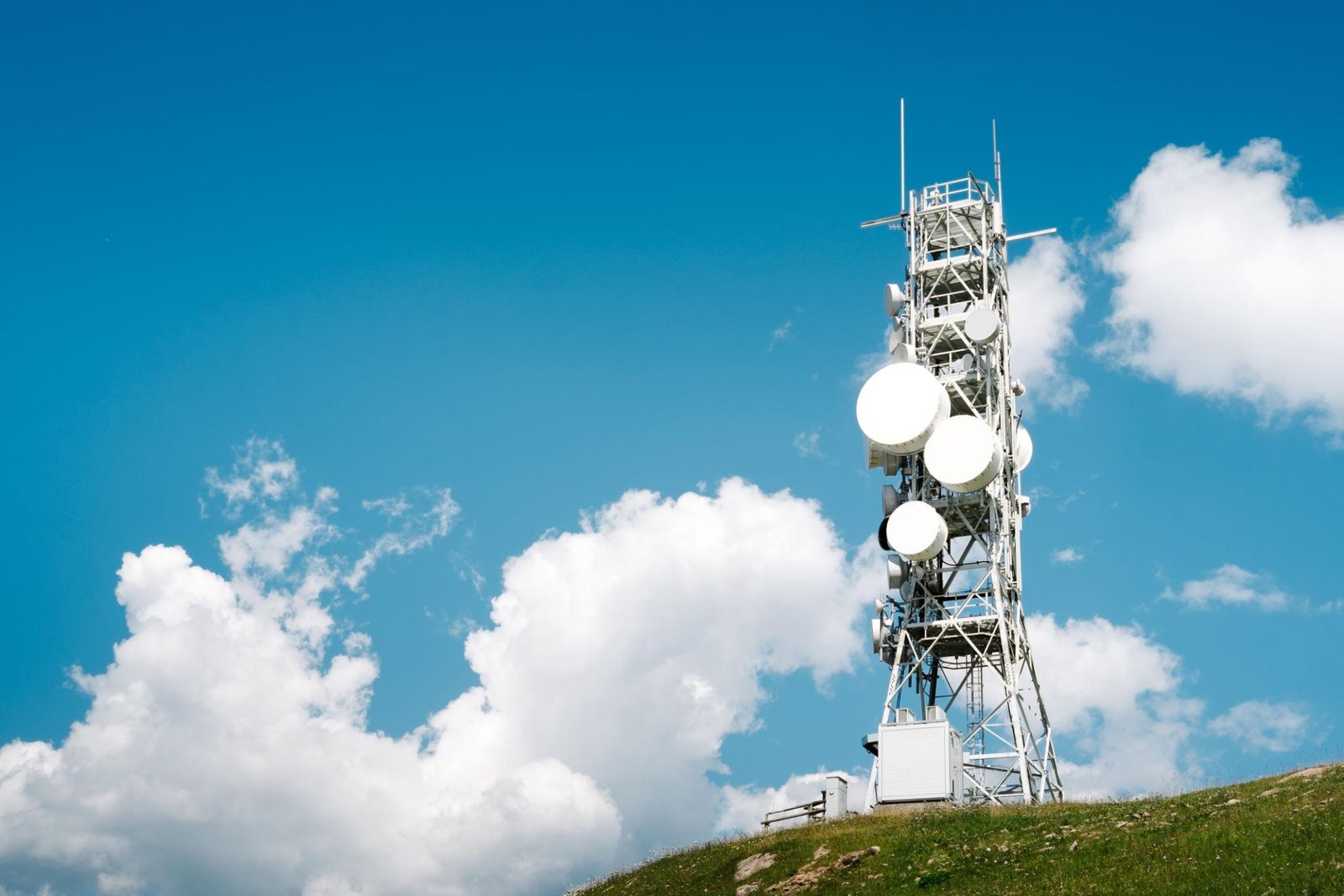
5G Expansion Remains a Key Priority
Despite the ongoing legal conflict, Europe continues prioritizing 5G deployment and digital infrastructure modernization. Governments and telecom providers view next-generation communications networks as essential for economic growth and technological competitiveness.
High-speed mobile networks support cloud computing, smart cities, autonomous transportation systems, remote healthcare services, and artificial intelligence applications.
Industry experts warn that delays involving infrastructure ownership or regulatory approvals could affect deployment timelines in some regions.
“Telecommunications infrastructure is now as important as transportation and energy systems,”
a European digital policy adviser explained.
“Countries cannot afford long-term uncertainty.”
The broader conversation surrounding Telecom regulation Europe may eventually shape how governments approach future telecom infrastructure agreements and market oversight.
Regulatory Oversight Could Increase
Some European policymakers are calling for stricter oversight of telecom infrastructure ownership and cross-border investment agreements. Governments have become increasingly cautious about foreign ownership and strategic control of communications infrastructure.
Regulators may seek stronger legal protections to ensure network stability, fair competition, and national security safeguards.
Others argue that excessive regulation could discourage investment and slow innovation within Europe’s telecommunications industry.
The ongoing Italian dispute may become a major reference point in future regulatory debates involving infrastructure consolidation, tower ownership, and telecom market competition.
As a result, Telecom regulation Europe is likely to remain one of the most closely watched policy issues in the digital economy during 2026.
Telecom Sector Continues Growing
Even with legal uncertainty, global demand for telecommunications infrastructure continues expanding rapidly. Data consumption has surged due to streaming platforms, remote work, artificial intelligence systems, and cloud-based business services.
Telecom towers remain essential to supporting these technologies because wireless networks require extensive infrastructure coverage and reliable connectivity.
Industry analysts expect telecommunications investment to remain strong throughout the coming decade despite regulatory disputes and market challenges.
The Italian conflict demonstrates how valuable telecom infrastructure has become within Europe’s evolving digital economy.
Historical Growth of Europe’s Telecom Tower Industry
Europe’s telecom tower industry expanded dramatically during the mobile technology boom of the early 2000s. Initially, wireless providers controlled most infrastructure assets directly.
Over time, specialized tower companies and infrastructure-sharing agreements became increasingly common because they improved efficiency and reduced operational costs.
Today, telecom towers are considered one of the most important components of Europe’s digital infrastructure system.
The growing importance of Telecom regulation Europe reflects how central telecommunications infrastructure has become to economic stability, technological innovation, and public services.
Key Takeaways
Swisscom’s warning that Italy’s telecom tower dispute could last years has intensified discussions about infrastructure governance and investment stability throughout Europe. Regulators, investors, and telecom operators are now closely watching how the conflict may influence future telecommunications policy, infrastructure ownership rules, and 5G expansion strategies across the European market.