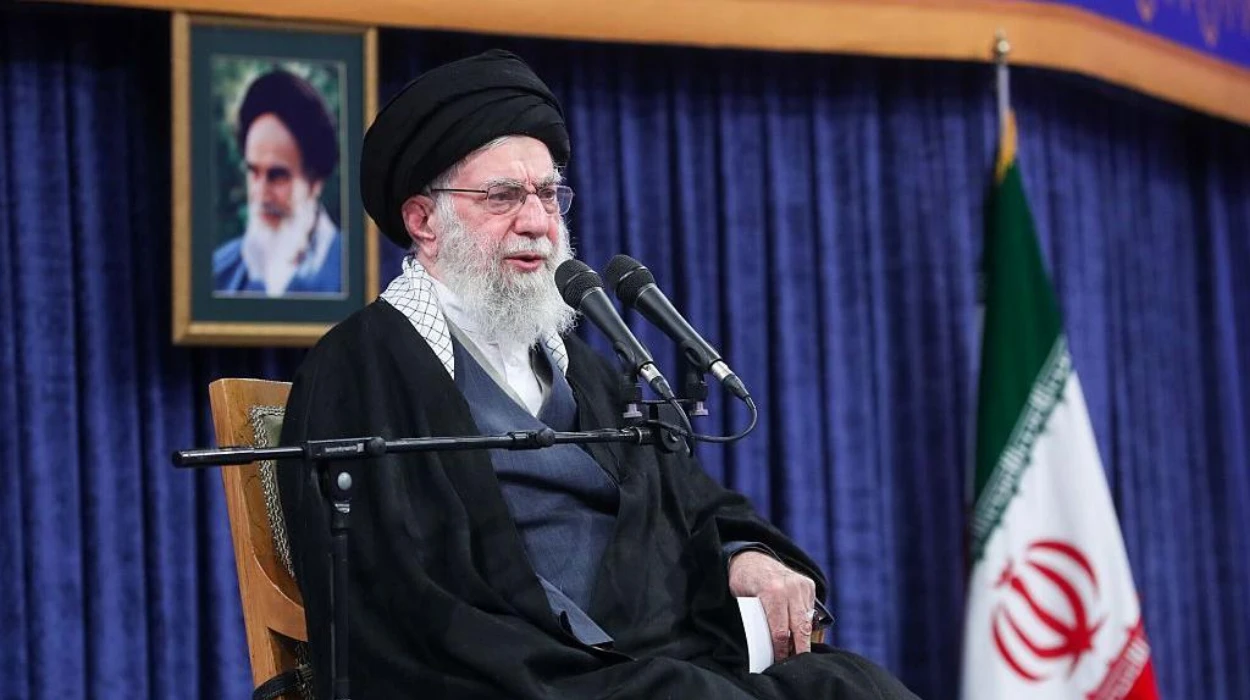

- The UN
human rights chief urged Iran to end the lethal use of force and
repressive tactics against protesters after successive nationwide
crackdowns. - UN
reporting indicates that thousands of people have been killed or injured
during protests, with victims including women, children and minority
communities. - Investigators
and UN-mandated bodies have documented alleged unlawful killings, torture,
arbitrary detentions and other serious violations linked to the
suppression of demonstrations. - The
rights chief called on Iran to ensure accountability, release those
arbitrarily detained, and bring its policing of assemblies into line with
international human rights law. - Iranian
authorities have rejected many of the allegations, defending their actions
as enforcement of national laws and accusing foreign actors of
politicising the human rights situation.
Geneva (Washington Insider Megazines) – The United
Nations human rights chief has urged Iran to end the lethal use of force and
“repressive” tactics against protesters, warning that thousands of people have
been killed or injured in successive crackdowns across the country as UN
investigators point to possible crimes under international law.
The appeal follows mounting UN findings that Iranian
security forces have used live ammunition, metal pellets and excessive force
during protests, including the 2022–2023 demonstrations triggered by the death
in custody of Mahsa Amini. UN human rights mechanisms have documented large
numbers of deaths, including children, and mass arrests of protesters,
activists and journalists. The rights chief has called on Tehran to ensure
accountability, release those arbitrarily detained and cooperate fully with
international investigations.
UN experts and fact-finding bodies say patterns of unlawful
killings, torture, enforced disappearances and gender-based persecution may
amount to crimes against humanity. Iranian authorities deny systematic
wrongdoing, describe many protests as “riots” or “terrorist” activity and
insist that security forces act within domestic law.
UN chief condemns scale of killings and repression
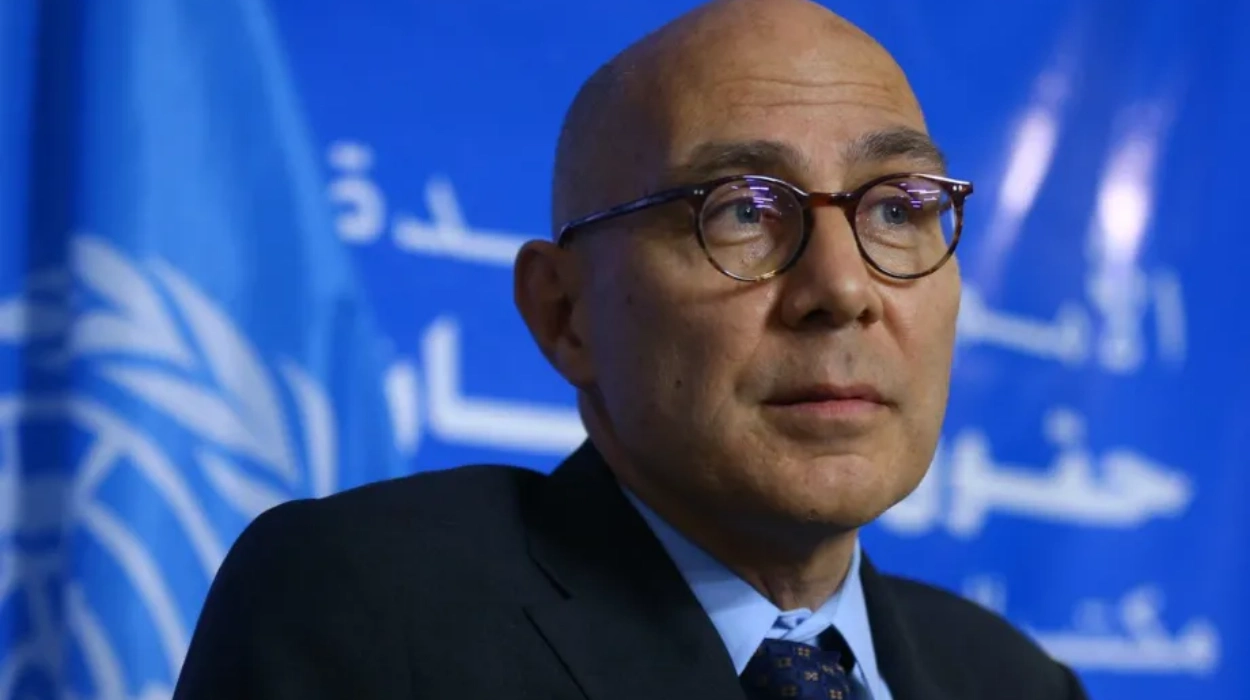 Credit: Mahmoud Hjaj/Anadolu Agency
The UN High Commissioner for Human Rights has publicly urged
Iranian authorities to end the use of lethal force against protesters and curb
what UN offices describe as a “repression of dissent” involving large-scale
arrests, prosecutions and surveillance. In statements to the UN Human Rights
Council and through subsequent reports, the rights chief has highlighted
credible accounts indicating that thousands of people have been killed, wounded
or subjected to serious human rights violations in recent protest waves.
According to UN human rights reporting, security forces have
repeatedly deployed live ammunition, birdshot, metal pellets and tear gas at
close range against largely unarmed demonstrators. The High Commissioner has
stressed that the use of lethal force is only permissible when strictly
unavoidable to protect life, and that Iran’s response appears to breach
international standards on law enforcement, including the UN Basic Principles
on the Use of Force and Firearms.
The rights chief has called on Iran to conduct prompt,
impartial and effective investigations into all alleged unlawful killings and
serious injuries, to hold perpetrators accountable, and to provide remedies to
victims and their families. UN officials have also urged Iran to revise
domestic laws and practices to align with its obligations under treaties such
as the International Covenant on Civil and Political Rights and the Convention
on the Rights of the Child.
Fact-finding mission cites possible crimes against
humanity
A UN-mandated international fact-finding mission on Iran has
reported that abuses committed in the context of protests may constitute crimes
under international law, including possible crimes against humanity. The
mission, established by the UN Human Rights Council after the 2022 protests,
has collected testimonies, digital evidence and documentation indicating
patterns of widespread and systematic violations.
According to the mission’s findings, Iranian security forces
and associated entities have been implicated in extrajudicial and unlawful
killings, arbitrary detention, torture, sexual and gender-based violence, and
enforced disappearances. The mission has underlined that the scale and
organised nature of these acts, alongside targeting of particular groups such
as women and girls, suggest that they may meet the threshold of crimes against
humanity if committed as part of a widespread or systematic attack against a
civilian population.
The fact-finding body has urged Iran to cooperate with its
work, including by granting access to the country, preserving evidence and
ensuring that witnesses and victims are protected from reprisals. Iranian
authorities have rejected the mission’s mandate, questioned its impartiality
and refused to recognise its findings, but UN member states have repeatedly
renewed its mandate in light of continuing concerns.
Mahsa Amini protests and nationwide unrest
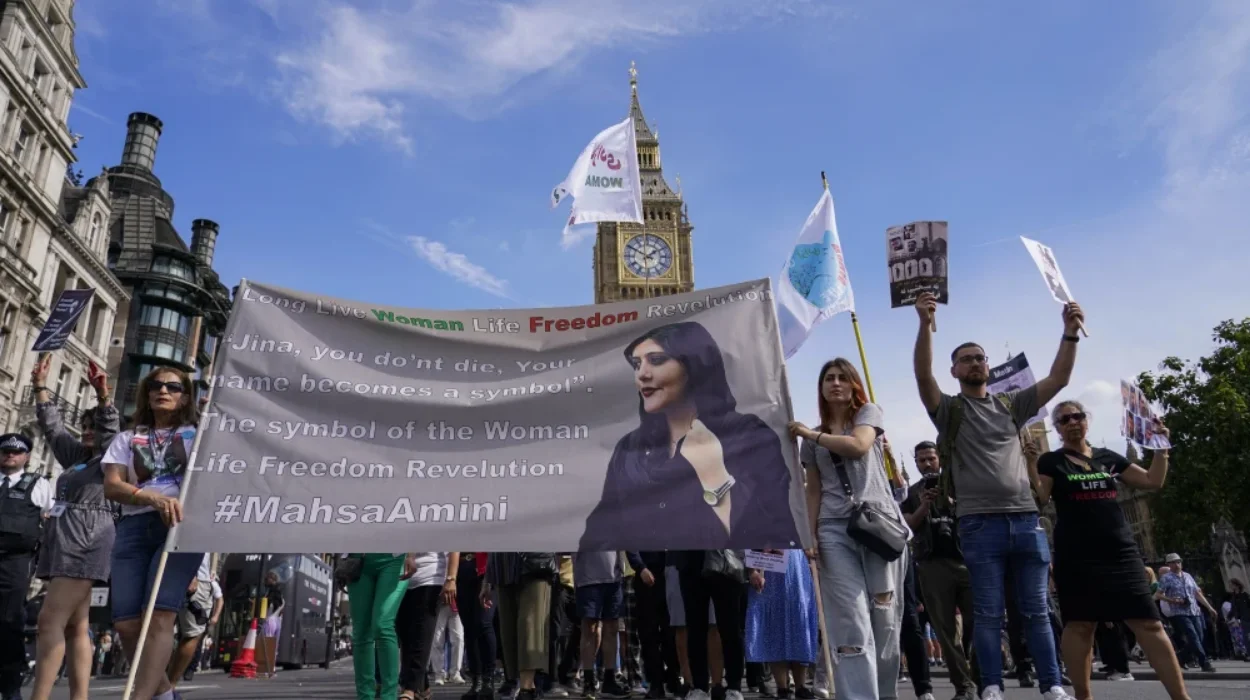
Credit: Alberto Pezzali / AP
International attention on Iran’s human rights record
intensified following the death in custody of 22-year-old Mahsa (Jina) Amini in
September 2022, after she was detained by morality police over alleged
violations of mandatory veiling rules. Her death triggered nationwide
demonstrations led by women and young people, with protests spreading to dozens
of cities and towns.
UN human rights mechanisms reported that hundreds of people,
including children and teenagers, were killed during the ensuing crackdown, as
security forces fired live rounds and metal pellets at protesters and
bystanders. Thousands were reportedly arrested, among them human rights
defenders, lawyers, journalists, students and artists, with many allegedly
subjected to torture, ill-treatment and forced confessions.
UN officials have repeatedly called on Iran to repeal or
amend laws and policies that discriminate against women and girls, including
compulsory veiling regulations, and to guarantee freedoms of expression,
association and peaceful assembly. The rights chief has also emphasised the
need for independent investigations into Mahsa Amini’s death and the treatment
of those detained in connection with the protests.
Executions and death sentences linked to protests
The UN human rights system has raised alarm over the use of
the death penalty in connection with protest-related charges in Iran. Special
procedures mandate holders and the High Commissioner have documented cases in
which protesters were sentenced to death following proceedings that did not
meet fair trial standards, including allegations of torture, denial of access
to lawyers and reliance on forced confessions.
Several individuals arrested during the protests have been
executed on charges such as “enmity against God” and “corruption on earth”,
offences that UN experts have criticised as overly broad and inconsistent with
the principle of legality. The rights chief and independent UN experts have
urged Iran to halt all executions linked to protests, to commute death
sentences and to declare a moratorium on the death penalty with a view to
abolition.
UN officials have said that the use of capital punishment in
this context appears aimed at intimidating protesters and silencing dissent.
Iran has defended its judicial processes as compliant with domestic law and has
accused foreign governments and organisations of interfering in its internal
affairs by criticising its use of the death penalty.
Impact on women, girls and minority communities
UN reports have highlighted that women and girls have been
disproportionately affected by Iran’s crackdown, both as leaders of protests
and as targets of enforcement of dress codes and other restrictive rules. The
rights chief has noted allegations of sexual and gender-based violence,
including harassment, threats and abuse in custody aimed at punishing women and
deterring participation in demonstrations.
UN bodies have also documented the impact on ethnic and
religious minority communities, including Kurds, Baluchis and others in regions
where protests have been particularly intense. In some provinces, reports
indicate higher numbers of deaths and injuries relative to population and
accounts of heavy deployments of security forces. The High Commissioner has
called for disaggregated data on casualties and arrests to assess potential
discriminatory patterns.
International mechanisms have urged Iran to address
longstanding concerns about discrimination against women and minority groups,
including in law, employment, education and public life. Iranian authorities
state that they protect the rights of all citizens under the constitution and
deny systemic discrimination, while attributing some unrest to foreign
interference and extremist groups.
Restrictions on media, internet access and civil society
The UN rights office and rapporteurs have reported extensive
restrictions on independent media, internet access and civil society during
protest periods. Iranian authorities have frequently slowed or disrupted
internet and mobile data services, particularly in areas experiencing large
demonstrations, hampering communication, documentation and access to
information.
Journalists, bloggers, lawyers, human rights defenders and
cultural figures have been among those detained or summoned for questioning,
with some facing charges related to national security or “propaganda against
the state”. UN officials have said that such measures undermine transparency
and accountability, and have called on Iran to cease harassment and arbitrary
detention of those engaged in legitimate reporting and advocacy.
UN mechanisms have also expressed concern about the closure
of organisations, raids on homes and offices, and the intimidation of family
members of activists based abroad. Iranian authorities have argued that
measures affecting media and internet access are necessary to maintain public
order and national security, and have accused some outlets of spreading
misinformation.
International response and calls for accountability
The UN rights chief’s latest appeal forms part of a wider
international response that includes resolutions by the UN Human Rights Council
and the UN General Assembly on the human rights situation in Iran. These
resolutions have condemned the use of excessive and lethal force against
protesters, called for the release of those arbitrarily detained and urged Iran
to cooperate with UN mechanisms.
Several states have imposed targeted sanctions, such as
asset freezes and travel bans, on Iranian officials and entities alleged
to be involved in serious human rights violations, including units of the
security forces and the morality police. Governments have also supported the
work of the fact-finding mission and other UN mechanisms through funding and
political backing.
UN officials continue to urge Iran to engage in dialogue
with international human rights bodies, allow independent monitoring and
implement the recommendations issued by treaty bodies and special procedures.
Iranian authorities have criticised country-specific mandates and sanctions as
politically motivated and insist that they are committed to addressing human
rights issues in line with national priorities and cultural values.