

Summary
- Global
hunger decreased from 8.5% in 2023 to 8.2% in 2024. - Africa
and Western Asia saw a worsening of food insecurity despite global
improvements. - Economic
instability, conflict, and climate shocks drive Africa’s food insecurity
rise. - Over
190 million children under five suffer from undernutrition globally. - UN
recommends targeted social protection and inflation control policies. - Investments
in agriculture, infrastructure, and markets are crucial for resilience. - Geopolitical
conflicts and disrupted supply chains exacerbate food insecurity. - UN
officials call for urgent, collaborative actions to protect vulnerable
populations.
Despite some positive global
trends, the sharp contrast seen in Africa and Western Asia underscores the
complexity of addressing food insecurity, where multiple overlapping crises
hinder progress. These regions face rising food prices, economic challenges,
and ongoing conflicts that threaten the well-being of millions, especially
young children. The latest UN report stresses the necessity of coordinated
policy interventions, increased agricultural investments, and strengthened
social safety nets to build resilience and ensure equitable access to
nutritious food for those most in need.
What Does the UN Report Say About Global Hunger Trends?
An estimated 8.2% of the global population, about 673
million people, experienced hunger in 2024, a decrease from 8.5% in 2023,
according to the latest State of Food Security and Nutrition in the
World (SOFI) report released by five United Nations specialized
agencies. While this signals a global improvement, the progress has been
uneven, with hunger intensifying in Africa and Western Asia regions.
FAO Director-General Qu Dongyu stated,
“While it is
encouraging to see a decrease in the global hunger rate, we must recognize that
progress is uneven. SOFI 2025 serves as a critical reminder that we need to
intensify efforts to ensure that everyone has access to sufficient, safe, and
nutritious food.”
He called for collaborative and innovative work among
governments, organizations, and communities to tackle persistent hunger
challenges, especially in the most vulnerable regions.
Why Is Food Insecurity Rising in Africa Despite Global
Progress?
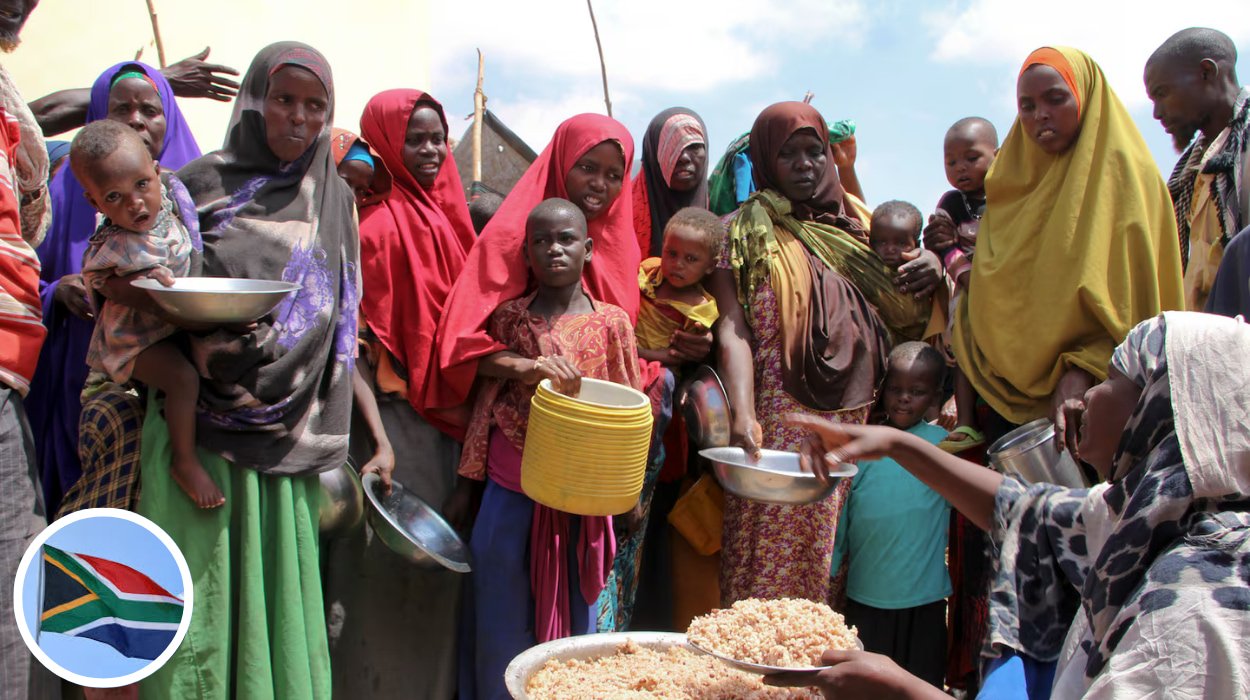
The report highlights that food insecurity in Africa has
worsened due to a combination of systemic challenges including economic
instability, climate shocks, conflict, and persistent poverty. Rising food
prices and disruptions in global supply chains have exacerbated the problem,
limiting access to affordable nutritious food in many African countries.
International Fund for Agricultural Development (IFAD)
President Álvaro Lario stressed,
“In times of rising food prices and disrupted
global value chains, we must step up our investments in rural and agricultural
transformation. These investments are not only essential for ensuring food and
nutrition security – they are also critical for global stability.”
This
underscores the importance of targeted interventions in agricultural sectors to
build resilience and improve food accessibility.
How Are Children Affected by Malnutrition in These
Regions?
UNICEF Executive Director Catherine Russell highlighted
the plight of children in food-insecure regions, saying,
“Every child deserves
the chance to grow and thrive. Yet over 190 million children under the age of 5
are affected by undernutrition, which can have negative consequences for their
physical and mental development.”
She further noted this limits their potential
and demands urgent action.
Russell emphasized the need for strengthening social
protection programs and educating parents on locally produced nutritious food,
including the importance of breastfeeding. These measures are seen as critical
to protect the most vulnerable populations from the impacts of rising food
prices and nutrition insecurity.
What Policy Actions Does the UN Report Recommend?
The SOFI report recommends a multifaceted approach to
address food price inflation and insecurity:
- Implementing
targeted and time-bound fiscal measures, particularly social protection
programs aimed at vulnerable households. - Enacting
credible and transparent monetary policies to contain inflationary
pressures. - Making
strategic investments in agricultural research and development, transport
and production infrastructure, and market information systems to boost
productivity and resilience.
These recommendations seek not only to alleviate
immediate hunger but also to fortify agricultural sectors against future
shocks.
How Does This UN Report Fit Into the Global Context?
The report’s findings arrive amid multiple global crises,
including ongoing conflicts such as in the Middle East, economic uncertainty,
and climate-related disasters. UN Secretary-General António Guterres recently
warned that geopolitical conflicts contribute to instability that worsens food
security. He called for urgent political action to resolve such conflicts and
protect peace efforts.
Food insecurity in Africa and Western Asia is compounded
by these broader issues, making the UN’s call for coordinated, cross-sectoral
action especially urgent.
This latest United Nations report reveals that while
hunger is declining globally, food insecurity is alarmingly increasing in
Africa and Western Asia due to a mixture of economic, climatic, and
conflict-related challenges. High-level UN officials stress the dire need for
investment, social protection, and strategic policy responses to ensure
nutritious food access for the most vulnerable, particularly children, in these
regions. Without intensified global cooperation and commitment, these gains in
hunger reduction risk being reversed where the need is greatest.


