
Summary
- Senator
Jeanne Shaheen hopes to lift the Caesar Act this year. - Sanctions
target Syria, aiming to support country stability. - The US
ended most of Syria economic sanctions in July 2025. - Sanctions
remain on Assad, terrorist groups, and regional actors.
A bipartisan group of legislators, including Ms. Shaheen, a
senior member of the Senate foreign relations committee, worked to first
implement the penalties in 2019 under the name Caesar Act. Members of the
former president Bashar Al Assad’s regime who were charged with war crimes and
violations of human rights were the target of the sanctions.
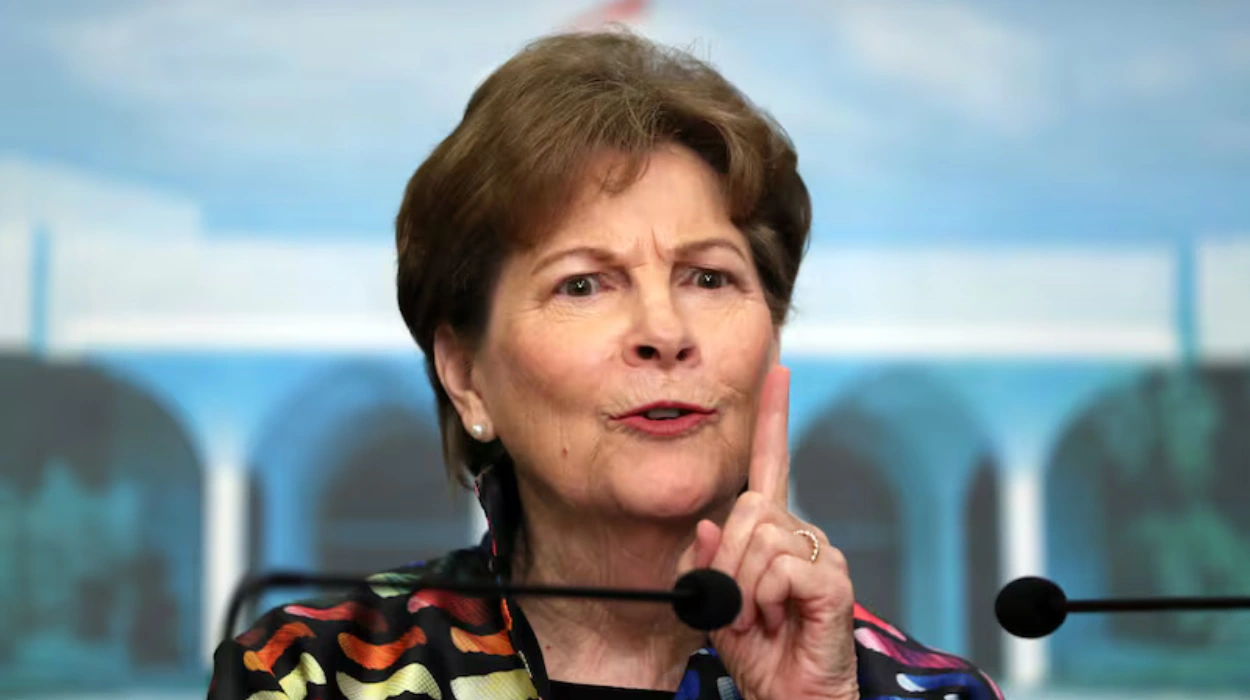
“We’ve got an opportunity in the Middle East that we
have not had in decades,”
Ms Shaheen told an event organised by the
Council on Foreign Relations.
“With Syria, the fall of Assad, there is the
potential to see stability in Syria that will make a huge difference.”
After more than ten years of brutal civil conflict,
opposition organizations led by Hayat Tahrir Al Sham launched a blitz effort to
overthrow the Assad administration. Since then, HTS has promised more elections
and established a transitional administration.
After more than ten years of brutal civil conflict,
opposition organizations led by Hayat Tahrir Al Sham launched a blitz effort to
overthrow the Assad administration. Since then, HTS has promised more elections
and established a transitional administration.
“Now Assad is gone and so now we need to see what we
can do to support stability in Syria,”
Ms Shaheen said.
“That’s how foreign policy should work. In my mind, we should find
bipartisan agreement. We should figure out how to get things done.”
For the past year, Damascus has been trying to get countries
all around the world to lift sanctions. Ahead of a meeting with Syrian
President Ahmad Al Shara in May, US President Donald Trump declared during his
Gulf trip that Washington would lift sanctions imposed on the nation during the
Assad period.
The US Treasury Department declared in late August that it
was taking Syria off of its list of sanctions. Additionally, Ms. Shaheen and
other senators proposed legislation in June with the goal of repealing the
Caesar Act a month later.
Following weeks of unrest between the Druze and Bedouin
communities in the Sweida region, she met with Mr. Al Shara to discuss minority
rights when traveling to Syria with a bipartisan delegation late last month.
“Today’s meeting with leaders from many faiths was a
testament to the Syrian people’s common cause: a country free from violence
where people of many backgrounds can work together toward a brighter
future,”
she said in a statement.
“America is ready to be a partner
to a new Syria that moves in the right direction.”
Ms. Shaheen described the Israeli raid on US partner Qatar
as “unfortunate” and a “significant escalation” during the
Council on Foreign Relations discussion.
“I would hope that we are going to have conversations
about that escalation and about how to reduce the threat of escalation instead
of increasing,”
she said.
“I understand that they were going after one of the
Hamas leaders, and we all agree that Hamas should be eliminated, but we have to
be thoughtful about escalating things in a way that aren’t helpful, especially
when we’ve got this opportunity in the region.”
What steps are necessary for Congress to lift Syria
sanctions?
The U.S. President must certify to Congress that Syria has
met specific conditions related to human rights, counterterrorism, and
political reforms or issue a national security waiver if such certification is
not practicable.
For example, under the Caesar Act, the President must determine
that Syria, Russia, and Iran have ceased acts targeting civilians, allowed
international aid, released political prisoners, permitted displaced persons to
return, and held perpetrators accountable.
The President and relevant agencies must review and
potentially revoke sanctions imposed under laws like the Syria Accountability
Act, the Chemical and Biological Weapons Control and Warfare Elimination Act,
and the State Sponsor of Terrorism designation for Syria.