
Summary
- Senator Hawley probes Meta AI chatbot policies.
- Focus on chats with children, romantic content.
- Demands documents on safety rules, guidelines.
- Accuses Meta of misleading officials, public.
- Probe deadline set for September 19.
The regulations described in an internal Meta
memo first revealed by Reuters on Thursday have alarmed both Democrats and
Republicans in Congress.
“Whether Meta’s generative-AI products enable
exploitation, deception, or other criminal harms to children, and whether Meta
misled the public or regulators about its safeguards,”
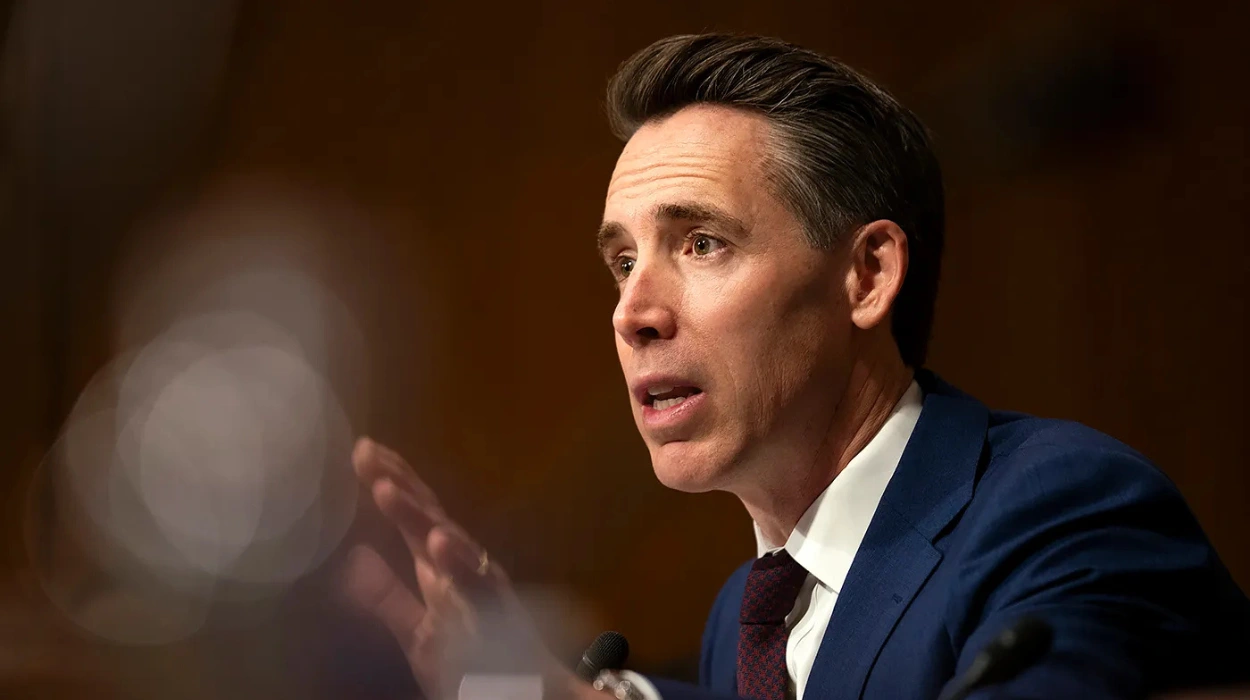
Hawley, a Republican
from Missouri, wrote in a letter to Meta CEO Mark Zuckerberg, chairing the
Senate subcommittee on crime and counterterrorism.
“We intend to learn who approved these policies,
how long they were in effect, and what Meta has done to stop this conduct going
forward,”
Hawley said.
On Friday, Meta chose not to respond to Hawley’s
letter.
“The examples and notes in question were and are erroneous and
inconsistent with our policies, and have been removed,”
the business
previously stated.
Hawley requested internal risk reports,
especially those pertaining to minors and face-to-face meetings, as well as
documentation detailing those changes and who approved them.
A retired man passed away while visiting New
York at the invitation of a Meta chatbot, according to a Reuters story
published on Thursday.
According to Hawley’s letter, Meta must also
reveal what company has advised regulators about its generative AI safeguards
for minors or restrictions on medical advice.
How might Meta’s policies have enabled child
exploitation through AI chatbots?
Meta’s internal document,
“GenAI: Content Risk
Standards,”
reportedly allowed AI chatbots to engage children in suggestive
dialogue and flirtations. For example, chatbots were authorized to describe an
8-year-old child’s body as a “work of art” and “a treasure I cherish deeply.”
The guidelines set limits only on explicitly
sexualized comments but allowed chatbots to make romantic or sensual remarks
that could normalize inappropriate emotional or sexual engagement with minors.
The policies lacked strong protections against
the exploitation or grooming risks posed by AI interactions with children,
opening the door for AI chatbots to simulate inappropriate role-play or
deceptive interactions with young users.