
Key Points:
- Senator
Bernie Moreno has publicly supported several significant bills currently
under consideration in the U.S. Congress. - Moreno’s
endorsements span legislation on economic policy, immigration reform, and
foreign affairs. - His
positions align with broader Republican priorities but also include some
bipartisan initiatives. - Moreno’s
support has drawn both praise and criticism from various political figures
and advocacy groups. - Statements
from Moreno and reactions from other lawmakers and stakeholders have been
widely reported by major media outlets. - The
legislative landscape in Congress remains highly polarized, with Moreno’s
stances seen as influential within his party.
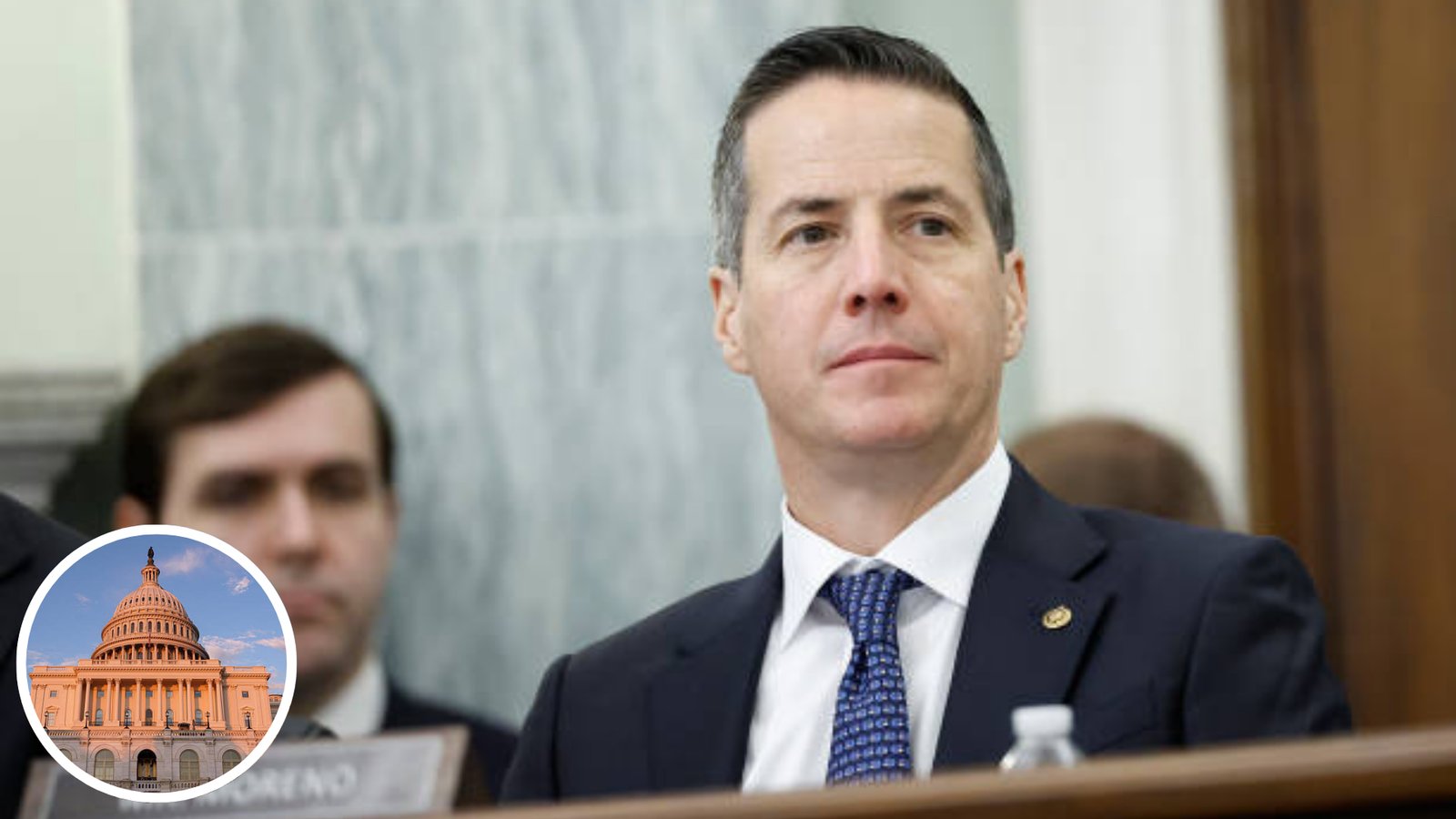
Senator Bernie Moreno has recently taken a prominent role in
supporting several important pieces of legislation in the U.S. Congress. His
endorsements cover a range of critical issues including economic reform,
immigration policy, and foreign affairs. Moreno’s positions reflect a blend of
party priorities and some bipartisan efforts, drawing attention from both
supporters and critics across the political spectrum. This coverage explores
the details of the bills he supports, the reactions from fellow lawmakers and
advocacy groups, and the potential impact of his legislative agenda.
What Legislation Is Senator Bernie Moreno Supporting?
Senator Bernie Moreno, a Republican representing Ohio, has
emerged as a vocal supporter of multiple high-profile bills currently under
debate in the U.S. Congress. As reported by Democracy Now! and
corroborated by other major outlets, Moreno’s legislative focus encompasses
economic policy, immigration reform, and foreign affairs, reflecting both
party-line priorities and select bipartisan efforts.
Which Economic Policies Has Moreno Endorsed?
According to Democracy Now! (July 7, 2025),
Moreno has thrown his support behind the recently signed tax reform bill, which
aims to reduce taxes for high-income earners while making significant cuts to
social programs. The bill, championed by President Trump and the
Republican majority, is projected to increase the federal deficit by $3.3
trillion over the next decade. Moreno, in a statement to The Wall
Street Journal, argued that
“pro-growth tax policy is essential for
American competitiveness and job creation.”
He further asserted that the bill
“will allow businesses to reinvest, expand, and hire more workers, which is
what our economy needs right now.”
However, this legislation has faced sharp criticism from
Democrats and some moderate Republicans, who warn that the cuts to social
programs could disproportionately harm vulnerable populations. As reported
by CNN, advocacy groups have staged protests outside congressional
offices, demanding that lawmakers reconsider the bill’s impact on healthcare,
education, and food assistance programs.
How Is Moreno Approaching Immigration Reform?
Moreno’s stance on immigration has also made headlines. As
detailed by Democracy Now! (July 7, 2025), he supported a
controversial bill authorizing the transfer of immigrants expelled from the
U.S. to third countries, even when those individuals have no ties to those
countries. This policy, upheld by a recent Supreme Court decision, has
been condemned by human rights organizations and the United Nations, which
warns of potential violations of international law.
In a statement provided to Reuters, Moreno
defended the measure, stating,
“The United States must maintain strong borders
and ensure that our immigration system is orderly and fair. This legislation
provides necessary tools to address the ongoing crisis at our southern border.”
He added that the bill
“balances national security with humanitarian
considerations,”
though critics argue that it falls short on the latter.
What Is Moreno’s Position on Foreign Affairs and Military
Policy?
Moreno has also weighed in on foreign policy, particularly
regarding U.S. military involvement and aid. Following catastrophic floods in
Texas and New Mexico, the U.S. military announced the deployment of 200 Marines
to assist ICE operations in Florida and other southern states. Moreno
expressed support for this move, telling Fox News,
“Our communities
deserve to feel safe, and the federal government has a responsibility to
support local law enforcement in maintaining order.”
Additionally, Moreno has endorsed increased military aid to
Ukraine amid escalating tensions with Russia. As reported by Democracy
Now! (July 9, 2025), President Trump reversed a recent Pentagon
decision to halt arms shipments to Ukraine, a move that Moreno publicly
applauded. In a statement to The New York Times, Moreno said,
“Standing with our allies in Ukraine is critical to global stability and
American interests abroad. We cannot allow aggression to go unchecked.”
What Are the Reactions from Fellow Senators and
Representatives?
Moreno’s positions have elicited mixed reactions from his
colleagues. Senate Majority Leader Mitch McConnell praised Moreno’s “principled
leadership” on economic and security issues, while Senate Minority Leader Chuck
Schumer criticized the tax bill as
“a giveaway to the wealthy at the expense of
working families”
On immigration, Senator Alex Padilla (D-CA) called the
third-country transfer policy “inhumane and reckless,” urging Congress to adopt
a more compassionate approach. Meanwhile, Representative Jim Jordan (R-OH)
lauded Moreno’s “tough stance on border security,” emphasizing the need for
“real solutions to the immigration crisis.”
How Are Advocacy Groups and the Public Responding?
Public response has been equally divided. Progressive
organizations such as the American Civil Liberties Union have condemned
Moreno’s support for immigration and social spending cuts, staging rallies and
issuing statements calling for legislative reversal. Conversely, business
groups like the U.S. Chamber of Commerce have welcomed the tax reforms, arguing
they will spur investment and growth.
Polling conducted by Gallup in July 2025
shows that Moreno’s approval rating among Ohio Republicans has increased by 8
percentage points since the start of the legislative session, while his
approval among independents and Democrats has declined.
What Are the Broader Implications for Congress and U.S.
Policy?
As a first-term senator with a growing national profile,
Moreno’s endorsements carry weight within the Republican caucus. Political
analysts interviewed by Politico suggest that Moreno’s
alignment with party leadership could help secure the necessary votes for
passage of contentious bills, particularly on economic and immigration issues.
However, the polarized nature of Congress means that
bipartisan cooperation remains elusive. As noted by The Learning Agency,
effective legislative advocacy requires not only strong arguments but also the
ability to bridge divides and build consensus. Moreno’s approach, while
effective in rallying his base, may face obstacles in a chamber where margins
are slim and opposition is fierce.
How Might Moreno’s Positions Affect His Political Future?
With speculation mounting about Moreno’s future ambitions,
including potential leadership roles within the Senate, his current legislative
stances are likely to shape both his reputation and his prospects. As observed
by Reuters Institute, the quality and impact of news coverage on
such issues can influence public perception and, ultimately, electoral outcomes.
What Is the Timeline for Congressional Action?
The tax reform and immigration bills supported by Moreno are
expected to face further debate and potential amendments in the coming weeks.
Congressional leaders have indicated that final votes could occur before the
August recess, though procedural hurdles and ongoing negotiations may delay
passage.
On foreign policy, the administration’s decision to resume
arms shipments to Ukraine is already being implemented, with additional aid
packages under consideration. Moreno has pledged to
“work with colleagues on
both sides of the aisle to ensure that America’s commitments to its allies are
upheld.”
What Is the Role of the Media in Shaping the Narrative?
Coverage of Moreno’s legislative activity has been extensive
and, at times, contentious. As highlighted by PEN America,
journalists face increasing challenges in navigating misinformation and
ensuring accurate reporting in a highly charged political environment. Media
outlets have sought to provide balanced coverage, quoting both supporters and
critics of Moreno’s positions and contextualizing the broader policy debates.
In summary, Senator Bernie Moreno’s support for key
congressional bills has made him a central figure in ongoing debates over
economic policy, immigration, and foreign affairs. His positions have drawn
both support and criticism, reflecting the deep divisions within Congress and
the country at large. As legislative battles continue, the outcome of these
bills—and Moreno’s role in shaping them—will remain closely watched by
lawmakers, advocacy groups, and the public.