Nuclear Defense Strategy Drives New US-South Korea Security Talks as North Korea Expands Military Programs in Seoul 2026

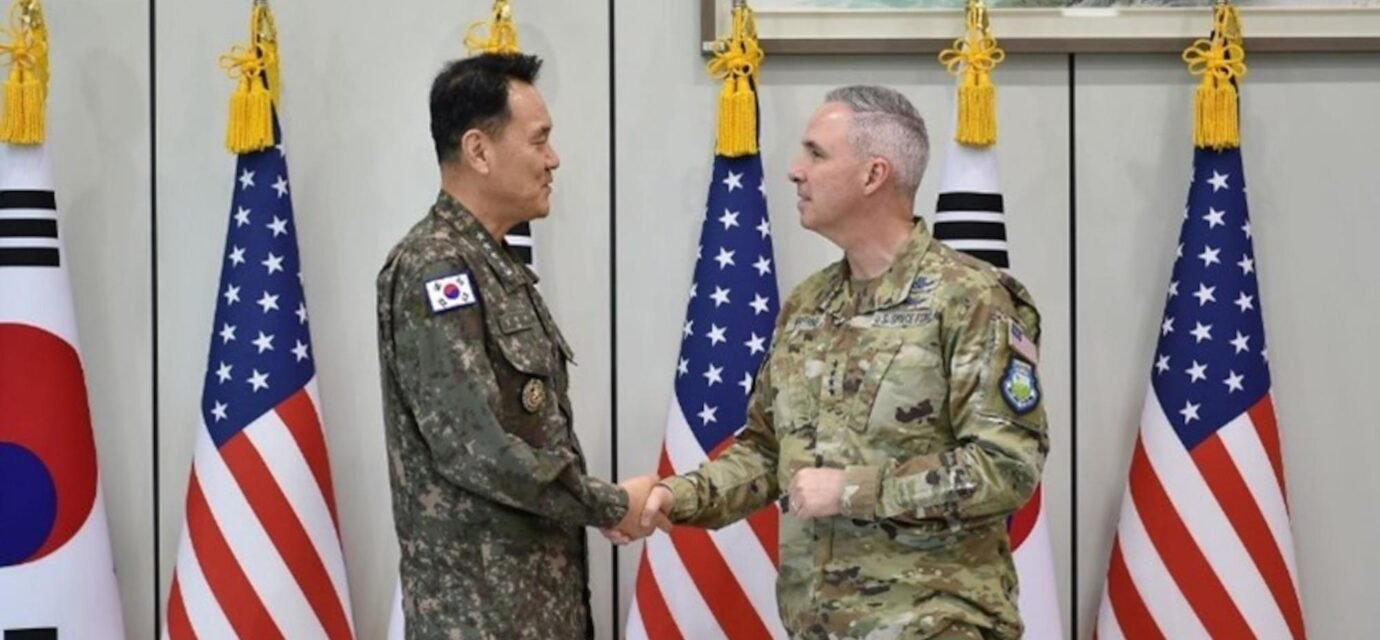
SEOUL, South Korea, 11 June 2026 (Washington Insider Magazine) Nuclear defense strategy discussions took center stage as senior officials from the United States and South Korea met to strengthen security coordination amid growing concerns over North Korea’s expanding military capabilities. The talks reflected increasing efforts by both allies to maintain stability on the Korean Peninsula while addressing evolving regional threats.
The latest consultations focused on deterrence measures, alliance readiness, intelligence cooperation, and long-term defense planning. Officials emphasized that maintaining a strong partnership remains critical as North Korea continues investing in missile development and advanced military technologies.
The meetings come during a period of heightened attention on Northeast Asian security. Analysts have noted that Pyongyang’s military modernization efforts have prompted regional governments to review defense policies and strengthen cooperation with strategic partners.
According to officials familiar with the discussions, both countries reaffirmed their commitment to preserving peace through a combination of military preparedness and diplomatic engagement. The United States reiterated its security commitments to South Korea while emphasizing the importance of a coordinated response to emerging challenges.
“Strong alliances remain essential to maintaining peace and preventing instability in the region,”
a defense official said following the talks.
Alliance Coordination Remains a Priority
During the meetings, defense leaders reviewed existing cooperation frameworks designed to support military readiness and crisis response capabilities. Topics included intelligence sharing, strategic planning, and joint military exercises that help strengthen operational coordination between the two allies.
South Korean officials welcomed continued security assurances from Washington and highlighted the importance of maintaining a credible deterrence posture. The discussions also examined future opportunities for enhancing defense cooperation as regional security dynamics continue to evolve.
Experts say regular consultations have become increasingly important as governments seek to address changing military developments across the region.
Growing Concerns Over Regional Security
North Korea’s continued focus on military modernization remains a key concern for policymakers. Recent assessments indicate ongoing efforts to improve weapons systems and expand strategic capabilities.
While officials continue to pursue diplomatic channels, security planners are closely monitoring developments that could affect regional stability. The latest talks demonstrated a shared commitment to maintaining preparedness while supporting efforts aimed at reducing tensions.
The broader Indo-Pacific region has also experienced increased attention from governments seeking to strengthen defense cooperation and improve collective security arrangements.
Outlook for Future Defense Cooperation
Security analysts expect additional meetings between US and South Korean officials in the coming months as both countries evaluate regional developments and adjust strategic priorities.
Future discussions are likely to focus on advanced defense technologies, military readiness, and broader regional security challenges. Officials have consistently emphasized that close coordination remains essential to preserving peace and stability.
As geopolitical conditions continue to evolve, the alliance between Washington and Seoul is expected to remain a central pillar of regional security efforts.