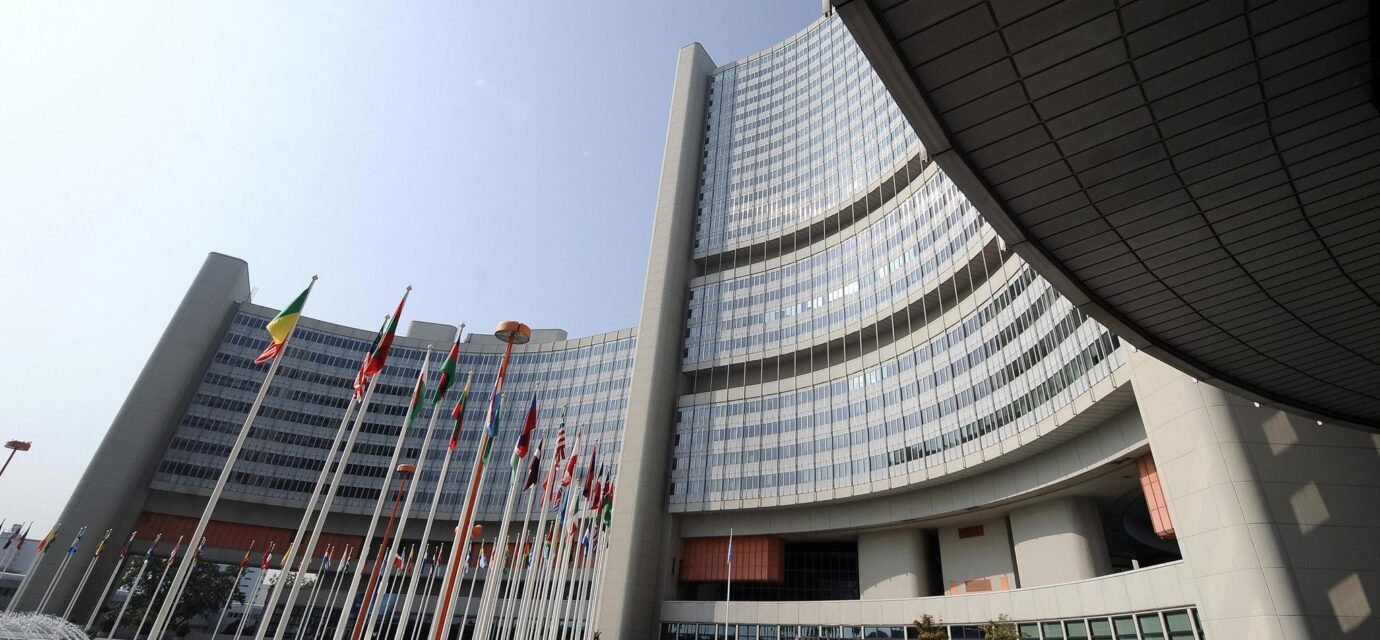

VIENNA, Austrial, 7 June 2026 (Washington Insider Magazine) The Iran nuclear program is once again at the center of international attention as member states of the International Atomic Energy Agency (IAEA) consider a resolution calling for greater transparency regarding nuclear sites and uranium stockpiles. The proposal, backed by the United States and several allies, seeks additional cooperation from Tehran as global concerns over nuclear safeguards continue. The Iran nuclear program remains one of the most closely monitored security issues in international diplomacy.
IAEA Resolution Focuses on Transparency
The latest discussions surrounding the Iran nuclear program focus on requests for additional information regarding previously identified locations and nuclear materials. Diplomats say the proposed resolution seeks clarification on questions that have remained unresolved despite years of inspections and negotiations.
International officials argue that transparency is essential for maintaining confidence in global nuclear safeguards.
“Verification and transparency remain critical to international nuclear oversight,”
one diplomat said during discussions in Vienna.
Uranium Stockpiles Draw International Attention
A major element of the debate surrounding the Iran nuclear program involves uranium enrichment activities and stockpile levels. International inspectors continue to monitor developments closely, with several governments calling for additional disclosures.
Supporters of the resolution say a clearer understanding of uranium inventories would help reduce uncertainty and strengthen confidence in monitoring efforts related to the Iran nuclear program.
Iran Defends Its Nuclear Activities
Iranian officials continue to maintain that the Iran nuclear program serves peaceful purposes, including energy production, medical research, and scientific development. Tehran has repeatedly rejected allegations that its activities violate international obligations.
Government representatives argue that the country has cooperated with inspectors while preserving its right to develop civilian nuclear technology under international agreements.
“Our nuclear activities remain peaceful and within our legal rights,”
Iranian officials have stated in previous responses to international concerns.
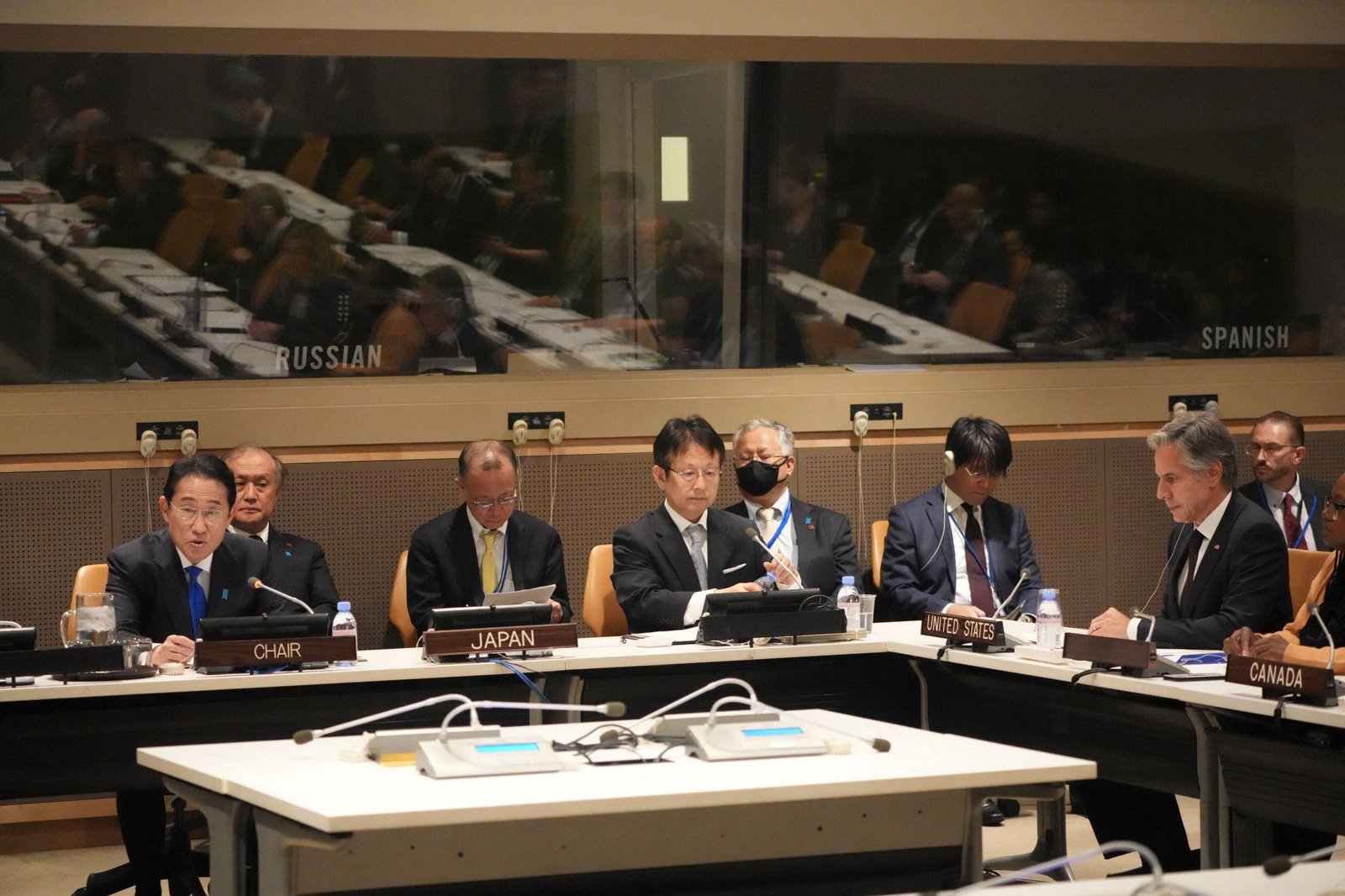
Longstanding Disputes Over Nuclear Monitoring
Questions regarding the Iran nuclear program have shaped international diplomacy for more than two decades. Since concerns first emerged, the IAEA has conducted extensive inspections and monitoring efforts designed to verify compliance with nuclear safeguards.
Numerous diplomatic agreements, negotiations, and inspection frameworks have been developed to address concerns surrounding the Iran nuclear program while balancing Iran’s right to peaceful nuclear development.
These historical disputes continue to influence current discussions and policy decisions.
Global Powers Monitor Developments
The outcome of the latest IAEA discussions could affect future diplomatic efforts involving the Iran nuclear program. Governments across Europe, North America, Asia, and the Middle East are closely monitoring developments.
Analysts note that decisions made during the current meetings could influence future negotiations and regional stability. The Iran nuclear program remains a significant issue for international policymakers seeking to prevent further tensions.
“Diplomatic engagement remains the most effective path toward lasting solutions,”
a European official said during the discussions.