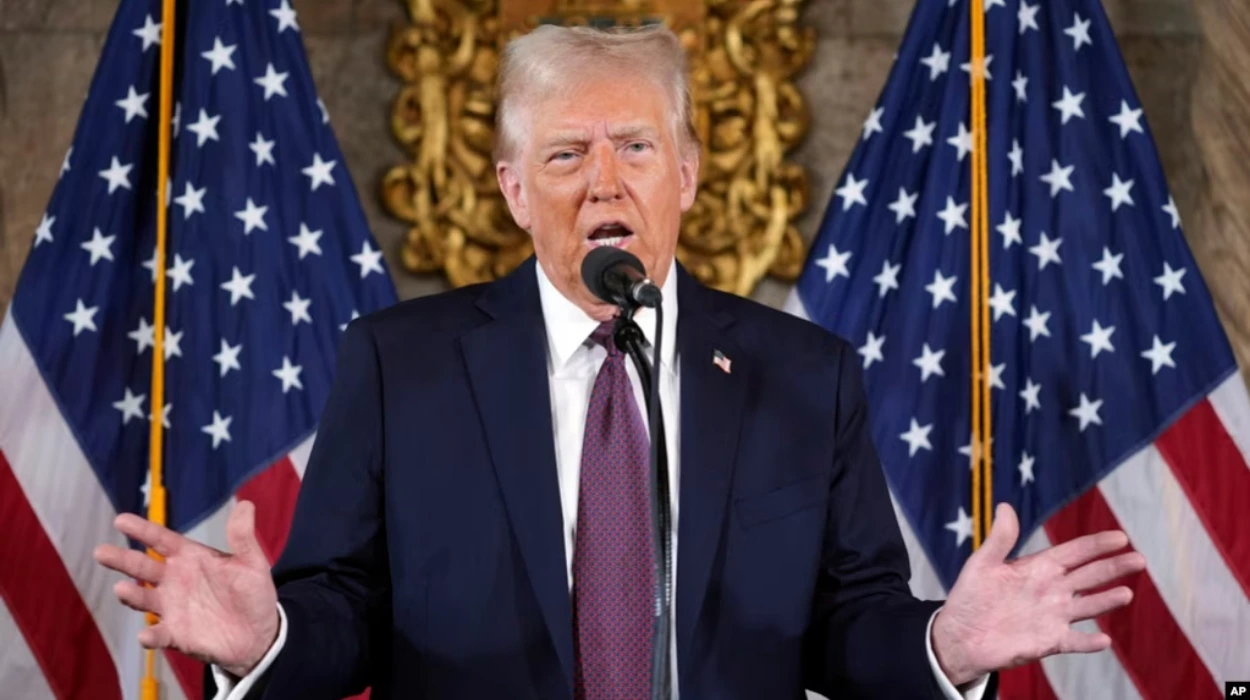

- Trump’s
Claim: Donald Trump asserted the US “won” the Afghanistan war
and could have maintained indefinite control under his policies,
criticising the Biden withdrawal. - Mercer’s
Rebuttal: UK Veterans Minister Johnny Mercer, a former soldier with
multiple Afghanistan tours, called the claim “utterly
ridiculous” due to military and political realities. - Conflict
Context: Mercer highlighted the 20-year campaign’s chaotic 2021
conclusion, with Taliban takeover exposing fragility despite Western
efforts. - Broader
Reaction: Mercer’s remarks join British political and military figures
challenging retrospective victory narratives about the NATO-led mission.
London – (Washington Insider Megazines) January 23, 2026
– UK veterans minister and former soldier Johnny Mercer has sharply
rejected Donald Trump’s recent assertion that the United States “won” the war
in Afghanistan and could have retained control of the country indefinitely.
Mercer, who served multiple tours in Afghanistan, described the former US
president’s claim as “utterly ridiculous” and inconsistent with the conflict’s
military and political realities. His remarks add to a growing chorus of
British political and military figures challenging retrospective narratives
about the 20‑year campaign and its chaotic conclusion in 2021.
Mercer’s comments follow Trump’s renewed defence of his
administration’s approach to Afghanistan and criticism of the withdrawal
executed under President Joe Biden. British officials and veterans have
repeatedly highlighted the human, strategic, and financial costs of the
conflict, arguing that simplistic claims of victory or control do not reflect
the complex outcome on the ground.
Minister Carns rejects Trump’s Afghanistan victory
narrative
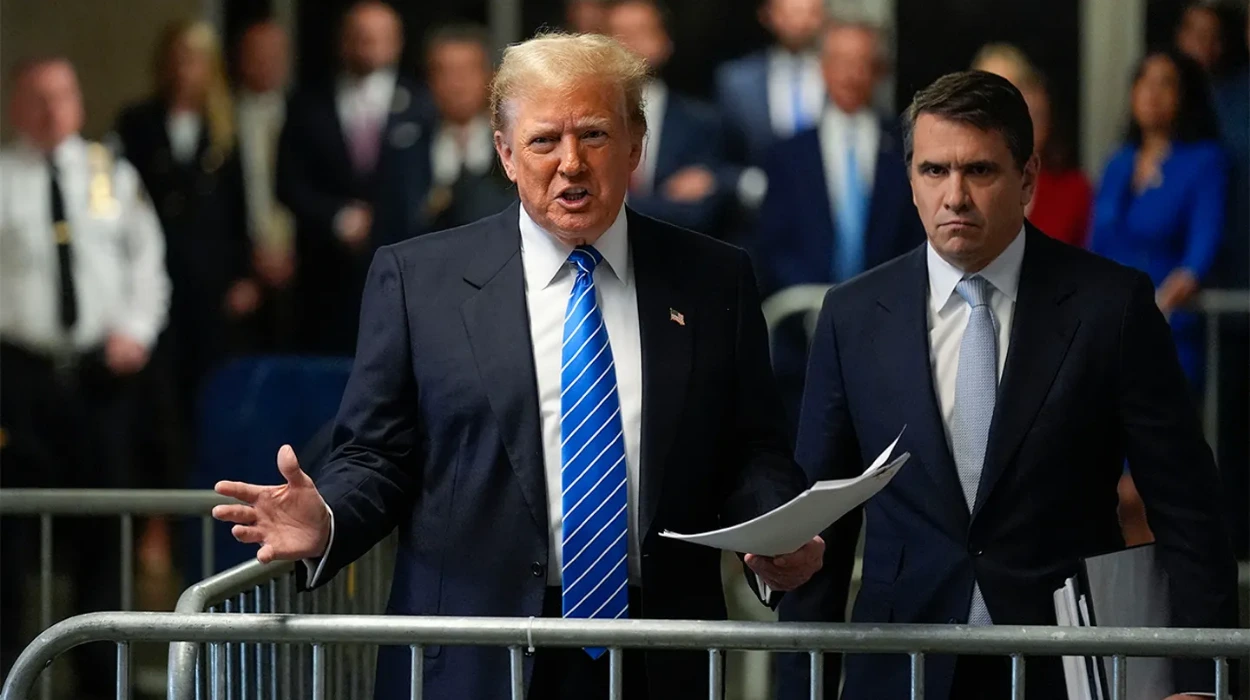 Credit: SETH WENIG/POOL/AFP via Getty Images
In recent interviews and public statements, Trump has
claimed that under his leadership, the United States achieved victory in
Afghanistan and could have maintained a stable, controlled presence if his
policies had continued.
He has argued that his administration’s conditions‑based
approach, including negotiations with the Taliban, placed the US in a position
of strength prior to the change of administration in Washington.
Mercer, now minister for veterans’ affairs and a former
British Army officer who served in Helmand province, responded by stating there
was no credible basis for suggesting the West had “won” the war in any
conventional sense.
He noted that the rapid takeover of Afghanistan by the
Taliban in August 2021, following the withdrawal of US‑led forces, demonstrated
that the Afghan state remained heavily dependent on international military and
financial support.
British experience highlights long conflict costs
The UK was one of the largest contributors to the NATO‑led
mission in Afghanistan, deploying tens of thousands of troops over two decades
and sustaining significant casualties. British forces were heavily engaged in
Helmand and other provinces, operating alongside US and allied units in
counterinsurgency, training, and stabilisation roles.
Successive UK governments framed the mission in terms of
counter‑terrorism, support for the Afghan government, and prevention of the
country being used as a base for international extremist groups. However,
officials and analysts have acknowledged that the Taliban’s return to power in
2021 raised fundamental questions about the long‑term effectiveness and legacy
of the international intervention.
Kabul’s fall undermines claims of lasting control
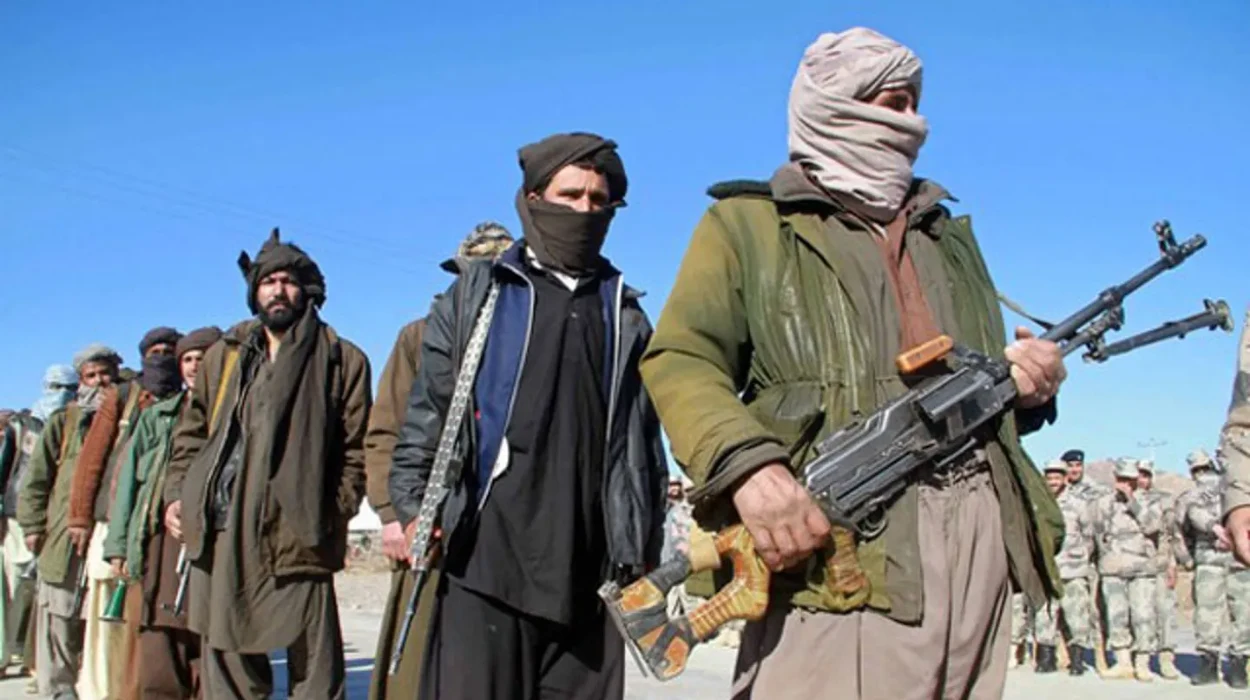 Credit: Reuters
The collapse of Afghan government forces and the swift
Taliban advance in August 2021 led to the fall of Kabul and an emergency
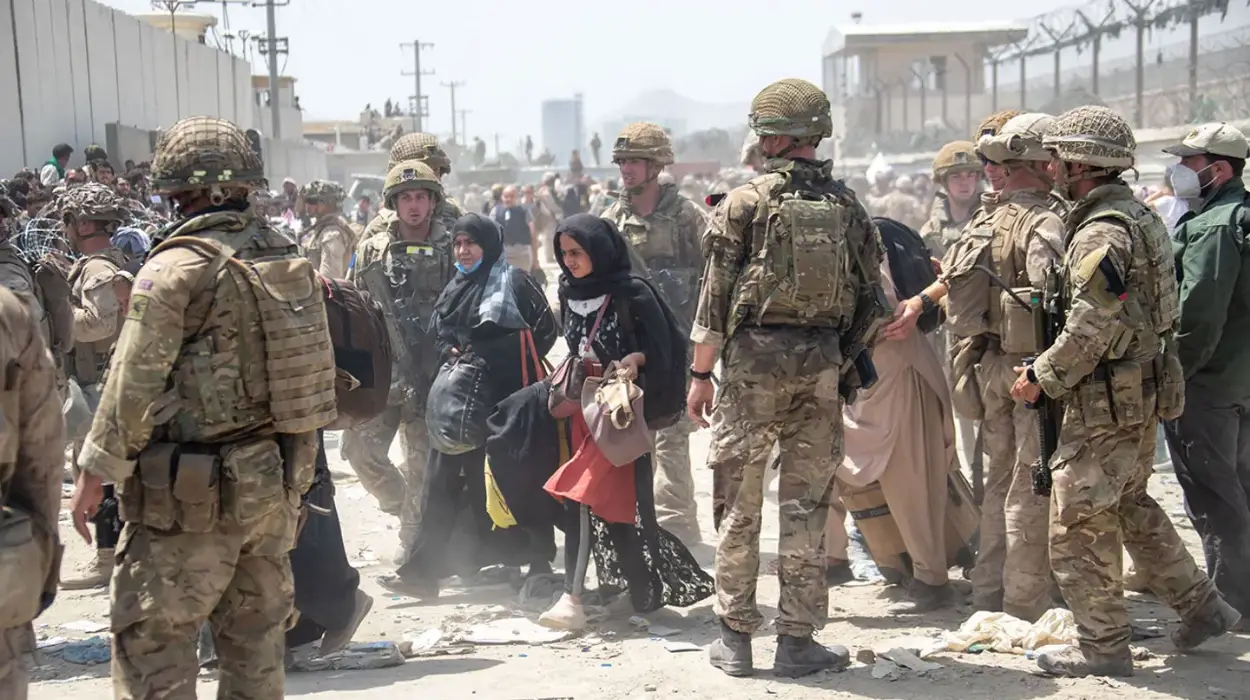
evacuation effort centred on Hamid Karzai International Airport. Images of
crowded evacuation flights, desperate civilians at airport gates, and the
deaths of Afghan civilians and US personnel in a suicide bombing near the
airport underscored the fragility of the security and political structures
built over two decades.
For British ministers and military leaders, the events of
2021 undercut any assertion that Western powers had secured a durable victory
or could have easily preserved long‑term control without substantial, ongoing
commitments. Mercer’s rejection of Trump’s claim reflects that reading of the
endgame, which many in London regard as a strategic failure despite tactical
achievements during the campaign.
UK veterans’ community questions retrospective claims
Veterans’ organisations and former service personnel in the
UK have continued to scrutinise public statements about Afghanistan,
particularly those that appear to minimise the complexity of the war or its
outcome. Groups representing former soldiers have emphasised the sacrifices
made by British and allied troops, as well as Afghan partners, and have called
for honest assessments of what was achieved and what was not.
Mercer, who has been outspoken
on veterans’ welfare, has linked accurate public narratives about Afghanistan
to the need to recognise the experiences and losses of those who served. He has
argued that suggesting the war was decisively “won” overlooks the realities
faced by troops on the ground and by Afghan civilians now living under Taliban
rule.
International partners maintain focus on Afghanistan’s
current realities
 Credit: Getty Images
Since the Taliban’s return to power, the UK and other NATO
allies have shifted to diplomatic, humanitarian, and sanctions‑based tools to
address developments in Afghanistan. International efforts have focused on
human rights, especially for women and girls, counter‑terrorism concerns, and
the severe economic and humanitarian crisis affecting millions of Afghans.
British officials have continued to coordinate with partners
in Europe and North America on aid delivery and monitoring of extremist
threats, while maintaining that their ability to shape events in Afghanistan is
now limited compared with the period of military deployment. In this context,
statements that frame the conflict as a clear‑cut victory or a controllable
situation are widely viewed in London as disconnected from current conditions
in the country.