
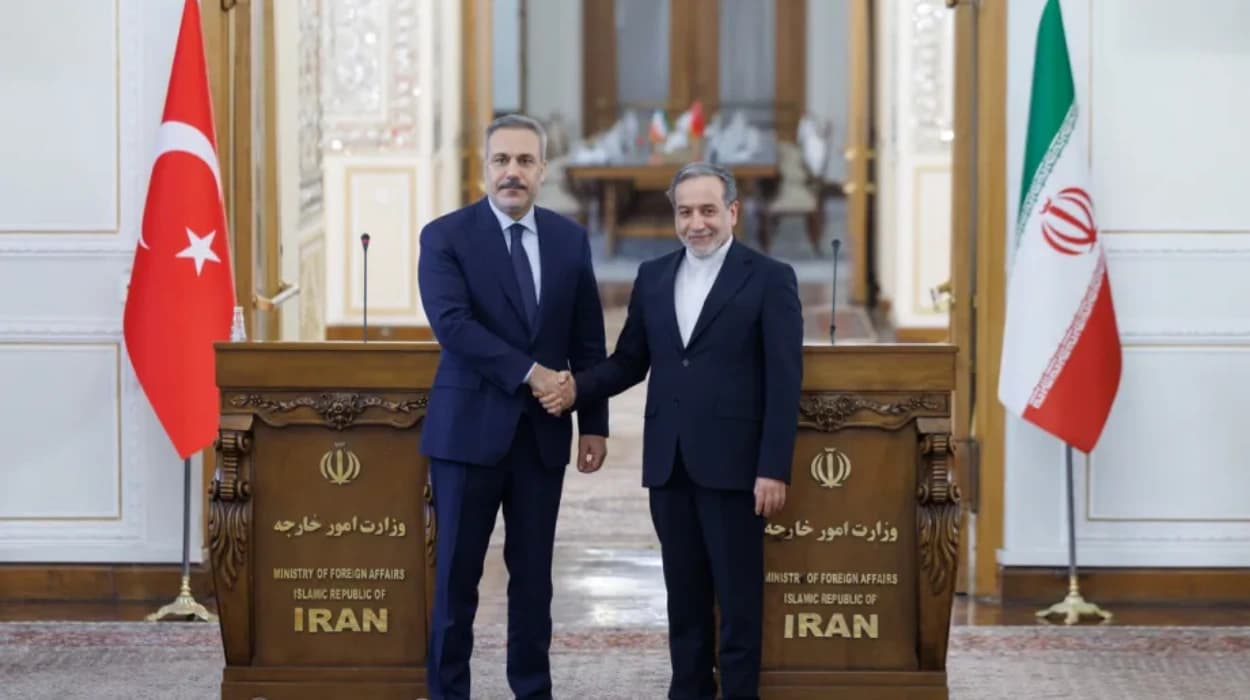
- Turkish Foreign Ministry has prepared A, B, and C contingency plans, including a buffer zone on the Iranian side of the border, to manage potential migration waves from Iran.
- Officials briefed parliament’s foreign affairs committee that the buffer zone aims to prevent arrivals from crossing into Turkey amid reports of unrest and instability in Iran.
- The preparations address scenarios such as government collapse or further destabilisation, while Turkey maintains opposition to foreign intervention in the country.
- Turkey shares a 534-kilometre border with Iran and has used similar buffer zones previously along its Syrian frontier to handle security and population movements.
- Plans come alongside commitments to Syria’s reconstruction and reflect Ankara’s monitoring of regional tensions without anticipating immediate spillover effects.
Ankara (Washington Insider Megazine) January 27, 2026 – The Turkish Foreign Ministry has drawn up contingency plans, including a buffer zone along the Iranian border, to manage potential migration waves in the event of regional instability. Officials briefed parliament’s foreign affairs committee that these measures, labelled A, B, and C plans, aim to keep arrivals on the Iranian side of the border. The preparations come amid reports of unrest in Iran and concerns over further destabilisation, though Turkey opposes foreign intervention in the country.
Turkish officials presented the plans during a closed-door session of the parliament’s foreign affairs committee, where they outlined preparations for various scenarios affecting the border region. The briefing emphasised the need for a buffer zone to prevent migrants from crossing into Turkey should a large-scale movement occur from Iran.
Turkish Foreign Ministry Briefs Parliament on Iran Contingencies
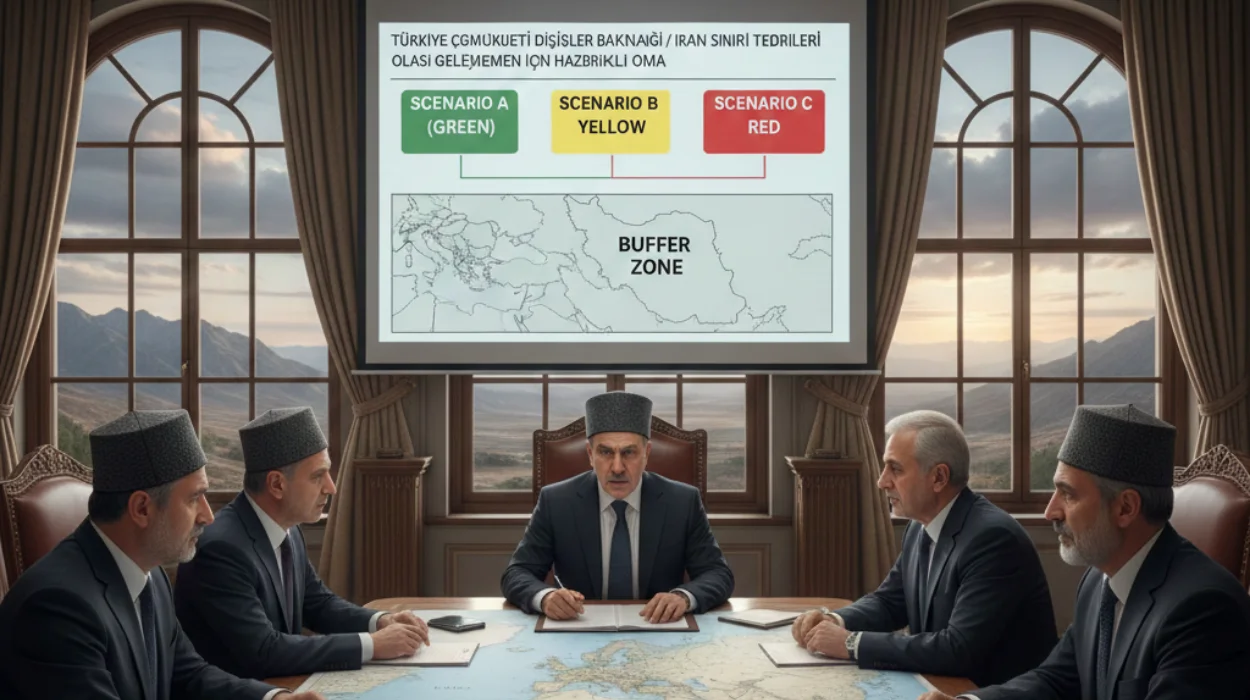
The Turkish Foreign Ministry informed lawmakers that Ankara has prepared multiple contingency plans, described as A, B, and C scenarios, to address possible developments along the Iran border. According to reports citing the briefing, officials stated that a buffer zone would ensure that any migrants arriving in the event of instability remain on the Iranian side. The ministry also conveyed Turkey’s opposition to foreign intervention in regional countries and a desire to avoid further destabilisation.
The session focused on recent Middle East developments, particularly those involving Iran and Syria, with ministry representatives detailing how the plans would operate in practice. Türkiye newspaper reported that the buffer zone concept forms part of broader measures to handle migration pressures without allowing crossings into Turkish territory.
Buffer Zone Designed to Contain Migration from Iran
Ministry officials explained that the proposed buffer zone would be established on the Iranian side to contain any influx of people fleeing instability, thereby protecting Turkey from a new migration wave. The briefing, as quoted by Turkish media, stated:
“We believe there should be a buffer zone to ensure that those who arrive in the event of a migration remain on the Iranian side.”
This approach aligns with previous Turkish strategies used along other borders to manage population movements.
Reports indicate that the plans address scenarios including potential unrest or intervention that could prompt large numbers of people to head towards the Turkish border. Turkish authorities have not detailed the exact triggers or timelines for implementing the buffer zone, but the preparations reflect ongoing monitoring of the situation in Iran.
Context of Recent Unrest and Protests in Iran
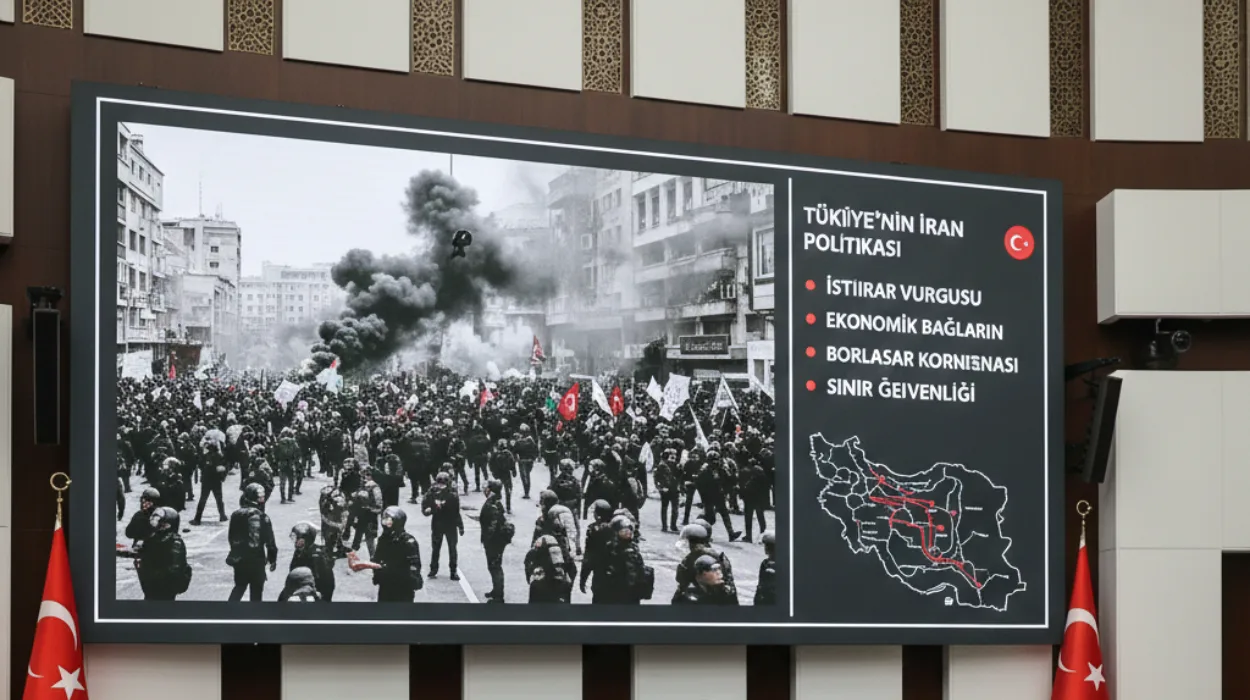
Iran has experienced escalating protests and security crackdowns, with reports of nationwide demonstrations met by forceful responses from authorities. Turkish officials’ comments come as international observers note rising tensions, including calls for regime change that Ankara has blocked or opposed. The Foreign Ministry briefing highlighted Turkey’s position against destabilising actions in the region, regardless of their source.
Separate coverage describes Turkey treading carefully amid Iran’s internal challenges, aiming to protect its economic links and military positions in neighbouring Iraq and Syria. Ankara has expressed concerns that wider conflict could disrupt commercial routes and threaten stability along shared borders.
Turkey’s Stance Against Foreign Intervention in Iran
The parliamentary briefing reiterated Turkey’s opposition to external interference in Iran or other regional states, stating that such actions would lead to unwanted instability. Officials emphasised preparations for “all eventualities” while making clear Ankara’s preference for maintaining the current regional order. This position echoes earlier statements from President Recep Tayyip Erdoğan, who has criticised attacks on Iran and offered to facilitate talks between involved parties.
In June 2025, Erdoğan said Turkey was working to prevent Israeli or other attacks on Iran from escalating into a “greater disaster,” and condemned violations of Iran’s sovereignty. He noted that Turkey does not condone such actions “no matter who they come from.”
Previous Turkish Buffer Zones and Border Security Measures
Turkey has previously established buffer zones along its Syrian border, including a 2019 agreement with the United States for a safe area between Tall Abyad and Ras al-Ain. That arrangement involved joint patrols and aimed to address security concerns related to Kurdish groups and migration. Similar measures have been used to manage population flows and create secure areas amid conflicts in Syria.
More recently, in June 2025, Turkey reinforced security along its eastern border with Iran in response to the Israel-Iran conflict, though no irregular migration was detected at that time. Defence Ministry sources confirmed heightened measures to monitor for civilian displacement triggered by hostilities.
Regional Implications for Turkey’s Iran Policy
Turkey shares a 534-kilometre land border with Iran, making migration and security issues a direct concern for Ankara. The contingency plans also touch on Syria’s reconstruction, where officials indicated Turkey will take an active role alongside regional countries. Unverified social media reports have mentioned incidents in northern Syria, but Turkish authorities have focused on border preparedness.
Analyses note that instability in Iran could affect Turkey’s military positions in Iraq and Syria, as well as key trade routes. Ankara has pursued a strategy of public restraint combined with private diplomatic engagement to maintain leverage regardless of outcomes in Iran.
Broader Middle East Developments in Ministry Briefing
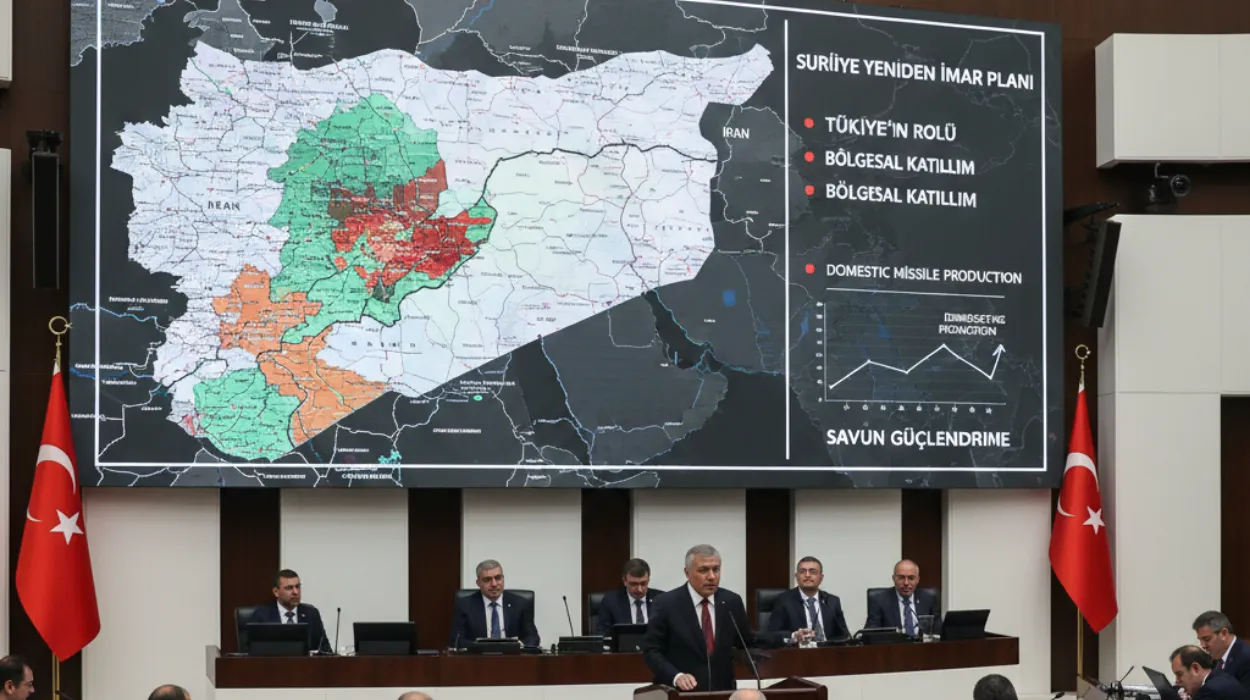
The Foreign Ministry’s presentation to parliament covered Syria alongside Iran, with commitments to participate in post-conflict rebuilding efforts. Officials described plans for involvement by Turkey and neighbouring states in Syria’s recovery process. The briefing occurred against a backdrop of ceasefires and reported violations in Syrian areas, including claims of executions by groups in the north.
Turkey has maintained tense relations with Israel but does not anticipate immediate spillover from regional conflicts into its territory, according to analysts cited in reports. Erdoğan has ramped up domestic missile production as part of security enhancements.
Turkey’s Diplomatic Efforts on Iran Tensions
In recent months, Turkey has positioned itself as a potential mediator in Iran-related disputes, with Erdoğan holding discussions with leaders including US President Donald Trump and Iranian President Masoud Pezeshkian. He proposed technical and leadership-level talks between Iran and the United States on nuclear issues. Following US strikes on Iranian nuclear sites in 2025, Erdoğan called for halting Israeli actions and offered facilitation services.
Iranian casualties from those events were reported at over 430 killed and 3,500 wounded, while Israel noted 25 deaths from retaliatory strikes. Turkey assured its 86 million citizens of protective measures amid these developments.