
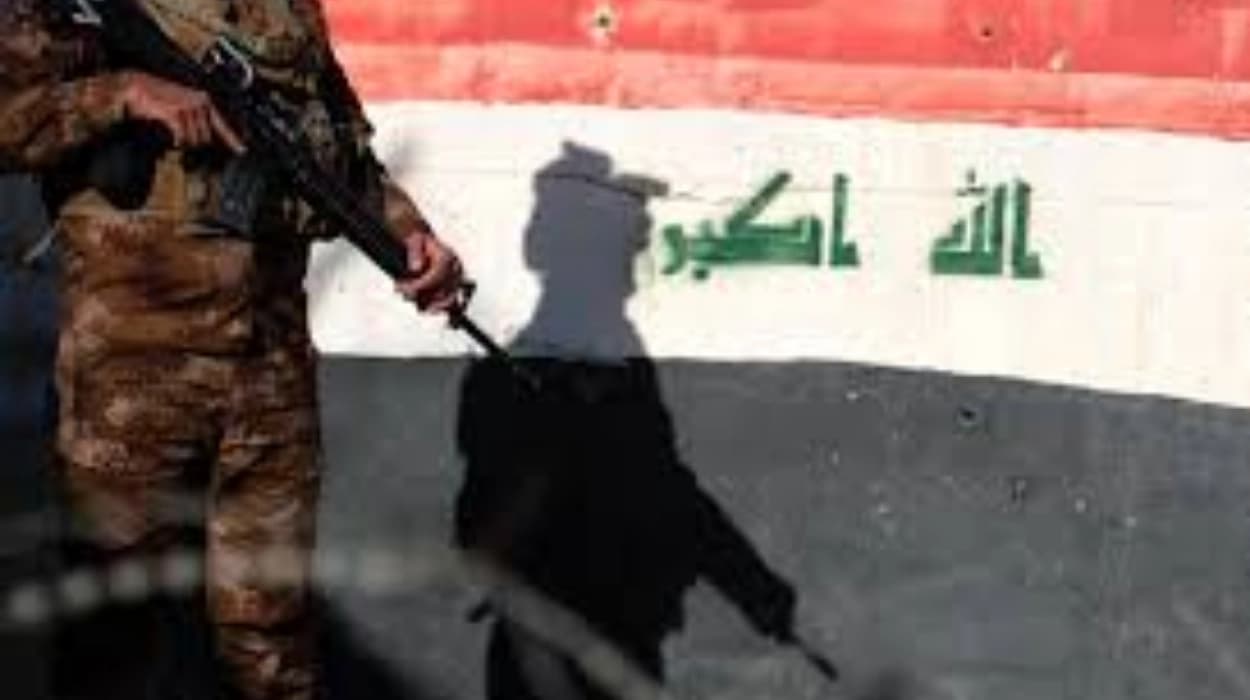
- US Transfer Operation: The US military moved 7,000 ISIS suspects from Syrian SDF camps like Al-Hol and Roj to Iraqi custody, starting with 150 from Hasakah amid Syrian advances.
- Security Concerns: Transfers followed jailbreaks and SDF instability; CENTCOM cited risks of breakouts threatening US forces and regional stability.
- Human Rights Issues: Groups like Amnesty and HRW raised alarms over Iraqi prison overcrowding, torture reports, and death penalty convictions lacking due process.
- Detainee Composition: Includes 4,500 foreign fighters (1,200 Europeans, 800 Asians) plus Iraqi nationals; countries notified for potential repatriation.
- Iraqi Response: PM al-Sudani confirmed reception for trials under anti-terror laws; facilities expanded with ICRC monitoring amid global repatriation pledges.
Baghdad (Washington Insider Magazine) February 6, 2026 – The United States military transferred 7,000 ISIS suspects from Syrian detention facilities to Iraqi custody. The operation began with 150 detainees from Hasakah and continued amid Syrian government advances. Human rights groups raised concerns over prison conditions and judicial processes in Iraq.
US Central Command announced on 21 January 2026 the initiation of transfers of up to 7,000 ISIS detainees from northeast Syria to Iraq. The Washington Post reported the mission followed a jailbreak highlighting deteriorating security conditions in SDF-held facilities. Initial movements involved 150 fighters from Hasakah prison to an undisclosed Iraqi location.
Admiral Brad Cooper, CENTCOM commander, stated coordination occurred with regional partners including Iraq. Cooper spoke with Syrian President Ahmed al-Sharaa about orderly transfers to prevent breakouts threatening US and regional security. The New York Times confirmed up to 7,000 detainees represent a substantial portion of 9,000 held in Syria.
Iraqi Prime Minister Mohammed Shia al-Sudani confirmed receipt of the first group. Spokesman Yahya al-Numan stated the National Security Council approved reception of Iraqi nationals and foreign terrorists detained by SDF. Transfers target government correctional facilities.
Highlighting concerns over the process, Lucas Webber - @LucasADWebber said in X post,
"U.S. moving 7,000 ISIS suspects from Syria to Iraq amid concerns over security and due legal process.”
U.S. moving 7,000 ISIS suspects from Syria to Iraq amid concerns over security and due legal process https://t.co/fAJ1XzIqTD
— Lucas Webber (@LucasADWebber) February 5, 2026
What Triggered the US Decision to Transfer ISIS Detainees?
The transfers responded to Syrian government advances into SDF territories, per Al Jazeera. Recent clashes and a Hasakah jailbreak prompted urgent action within days. CENTCOM cited disrupted stability after years of SDF management since ISIS territorial defeat in 2019.
US military officials informed al-Sharaa of plans for secure handovers. Two Iraqi officials confirmed over 7,000 prisoners including various nationalities would move to Iraq, with US financing detention and trials. The operation marked a shift from US-backed SDF detention approach.
WION reported transfers began 21 January 2026 to avert breakouts amid SDF-Syrian government clashes. More than 100 detainees escaped Hasakah recently, heightening urgency during the fragile ceasefire.
How Many Detainees Involved and Their Nationalities?
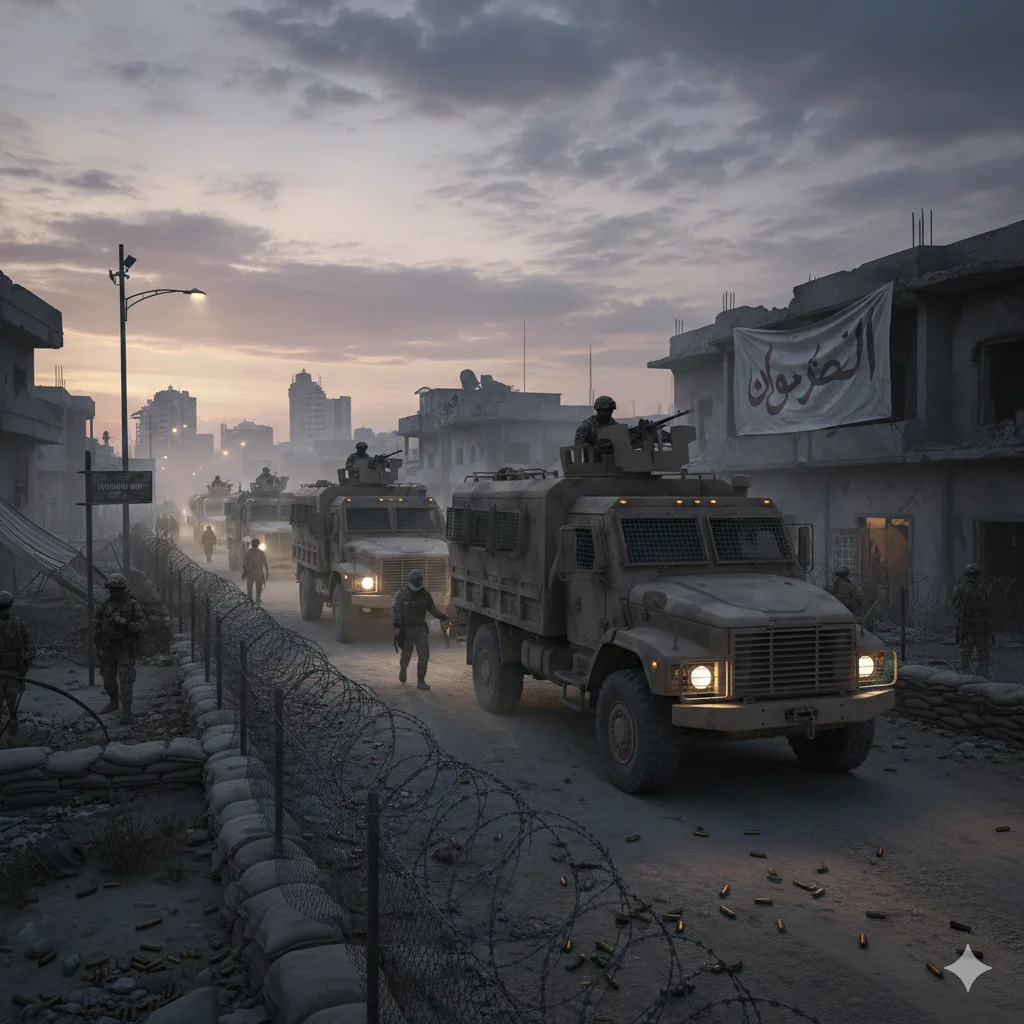
US Central Command indicated up to 7,000 from approximately 9,000 in Syrian facilities. The New York Times detailed 4,500 foreign fighters including 1,200 Europeans and 800 Asians among transfers. Iraqis comprise the majority per manifests.
Al Jazeera noted 150 initial transfers from Hasakah. Reuters confirmed the figure matches CENTCOM statements on 21 January. Governments received repatriation notices for citizens.
Many detainees represent foreign nationals whose home countries hesitated repatriation citing security and legal issues. The transfers raise fresh diplomatic challenges for resistant nations.
Raising questions about identities and trials, Joana Cook - @Joana_Cook said in X post,
"U.S. moving 7,000 #ISIS suspects from #Syria to #Iraq amid concerns over security and due legal process. Will they be returned to their home countries for trial? Or face it in Iraq? Who are they even? A lot of unanswered questions right now.”
U.S. moving 7,000 #ISIS suspects from #Syria to #Iraq amid concerns over security and due legal process. Will they be returned to their home countries for trial? Or face it in Iraq? Who are they even? A lot of unanswered questions right now https://t.co/ENrMWFAkUG
— Joana Cook (@Joana_Cook) February 5, 2026
What Iraqi Facilities Receive the Transferred Detainees?
Iraqi Justice Minister Khaled Shammari designated Al-Rusafa, Nineveh's Tal Afar, and Anbar's Al-Jadida. Facilities expanded capacities recently. Mobile courts operate at Mosul airport processing cases weekly.
Alsumaria TV showed intake at Samarra. Erbil's Judicial Complex handles KRG detainees numbering 900 separately. Rusafa expanded from 5,000 to 8,000 capacity.
Iraqi Federal Police secured convoys through Mosul and Tikrit airbase. Counter-Terrorism Service established perimeters at Haditha base.
Which Human Rights Concerns Expressed by Organisations?
Human Rights Watch documented 1,200 custody deaths from 2020-2025 due to neglect. Amnesty International noted overcrowding exceeding 60% capacity at multiple sites. UN Special Rapporteur Alice Jill Edwards called for due process.
Reuters interviewed released detainees describing 150 per cell designed for 50. Medical screenings absent for 40% of arrivals per The Guardian. Amnesty requested unfettered access denied by Interior Ministry.
Iraqi government granted International Committee of Red Cross daily access. UNHCR monitored 12,000 family members remaining in SDF camps.
What Security Measures Protected the Transfers?
28 C-130 flights transported high-value detainees per BBC footage. Apache helicopters provided overhead protection through Kirkuk. Drone surveillance detected two Sinjar breakouts.
US Special Forces offered close protection at three border crossings. 500 Iraqi troops deployed per segment. No casualties reported during 72-hour operation.
CENTCOM verified 12 ISIS tunnels destroyed near routes. Iraqi F-16s patrol borders 24/7 post-transfer.
How Will Detainees Face Iraqi Justice?
Iraq's 2005 Anti-Terrorism Law prescribes death penalty for membership. 4,000 convictions since 2017 with 80% death sentences upheld. Mobile courts use video testimony processing 50 daily.
Judge Ali al-Mamouri stated evidence includes confessions and intercepts. European Court of Human Rights reviews 120 appeals from verdicts. 15% challenge nationality claims.
What International Repatriation Commitments Emerged?
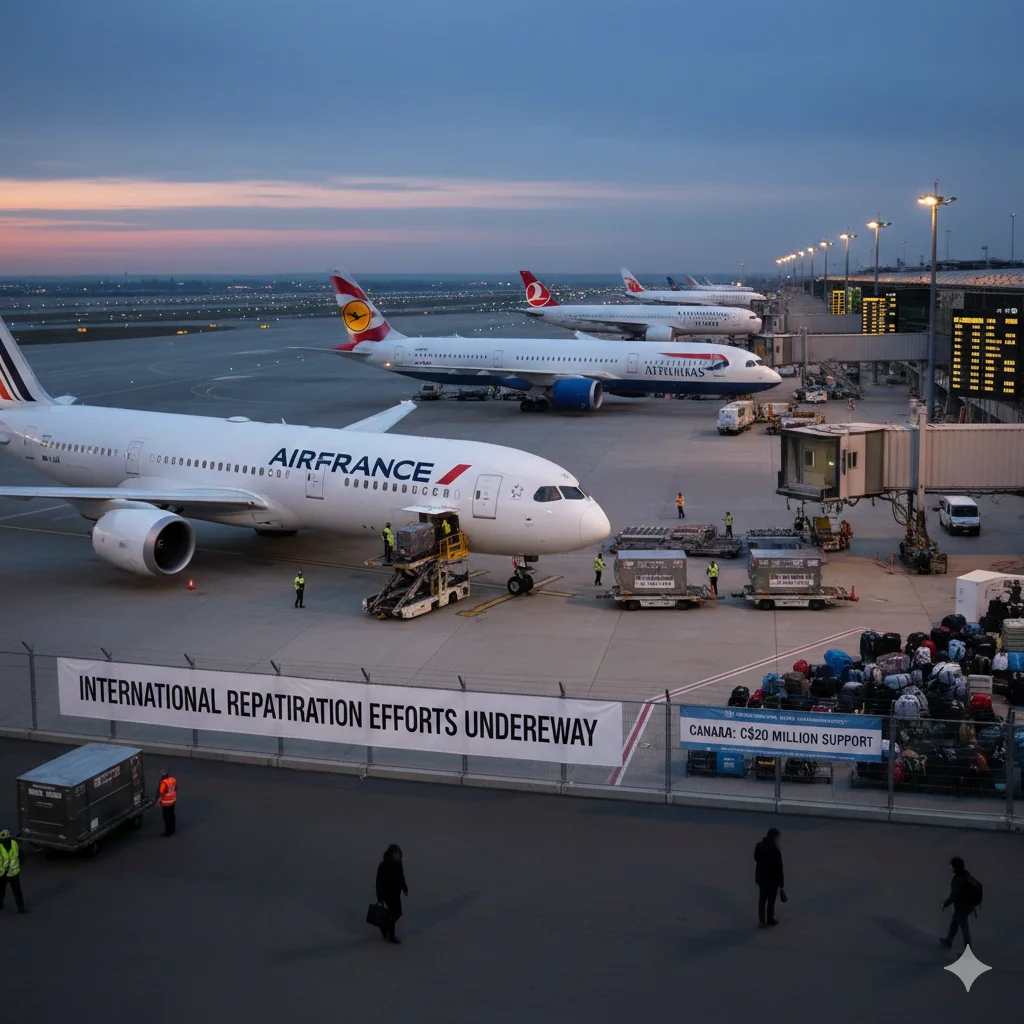
France confirmed 280 citizens, Germany 190, UK 45. Belgium flights scheduled 7 February for 45. Netherlands processed 60 via Schiphol.
Turkey accepted 850 dual nationals. Uzbekistan flights carried 120 from Erbil. Canada pledged C$20 million support.
What US Official Statements Accompanied Announcement?
Defense Secretary Pete Hegseth told Fox News transfers reduce US footprint. State Department's Matthew Miller cited Iraqi sovereignty. Kurilla testified 7,000 removes 70% threat.
White House Karoline Leavitt emphasised burden-sharing. Cooper appreciated Iraq's role in enduring ISIS defeat.
What Role Did SDF Play in Handovers?
SDF commander Mazloum Abdi confirmed completion to Reuters. YPG guarded during extraction retaining 3,000 high-risk. US-SDF agreement provided $75 million compensation.
Rudaw reported demands for repatriation guarantees. Al-Hayat cited semi-autonomous governance challenges post-handover.
What Regional Counter-ISIS Impacts Followed?
Coalition spokesman Myles Caggins reported 95% territorial defeat maintained. Iraqi forces conducted 22 raids yielding 150 arrests post-transfer.
Jane's noted Iraqi F-16 patrols. CENTCOM verified tunnel destructions maintaining security posture.
What Monitoring and Economic Costs Involved?
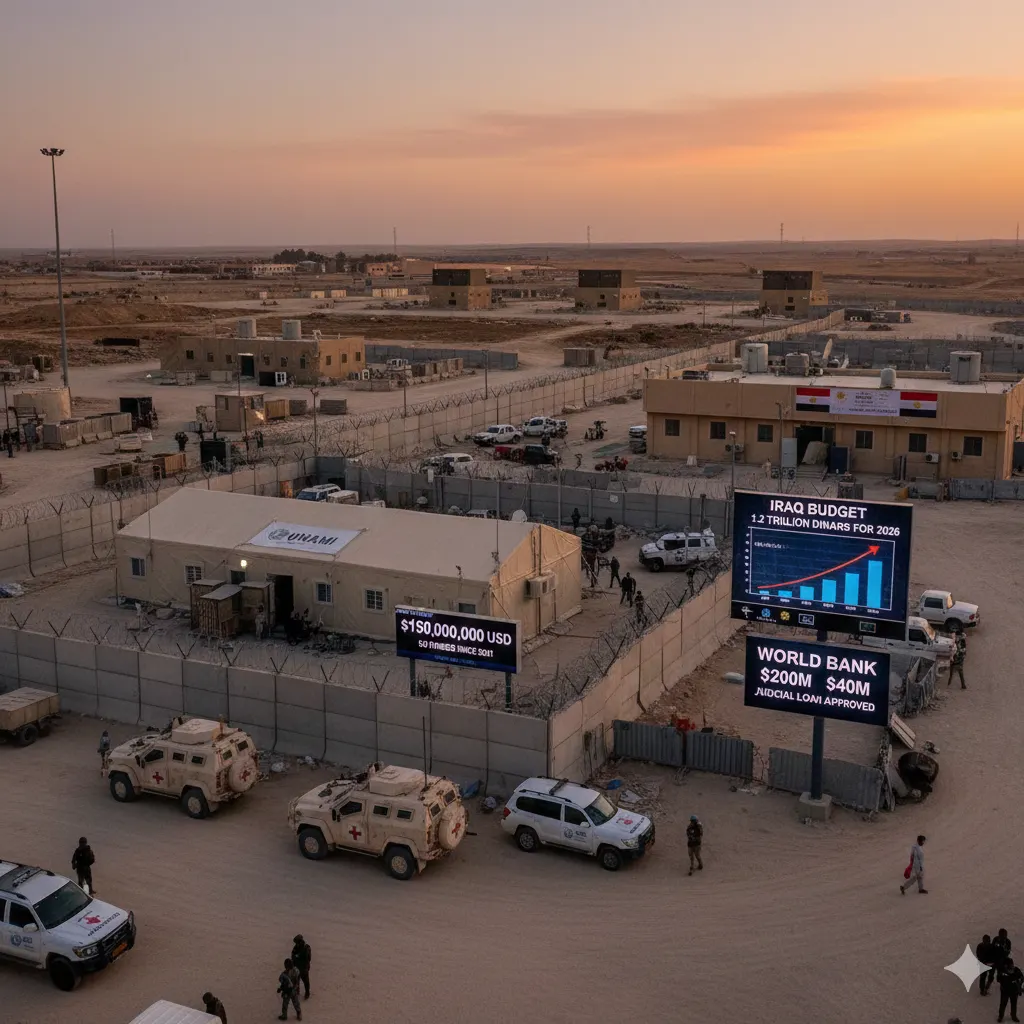
ICRC biweekly visits per Geneva agreement. UNAMI embedded at four sites. US funded $150 million since 2021.
Iraq budgeted 1.2 trillion dinars for 2026. World Bank approved $200 million judicial loan 3 February. KRG allocated $40 million for Erbil.
What Family Camp Responses Occurred?
28,000 women and children remain at Al-Hol per SDF. UNHCR registered 4,500 voluntary Iraq returns. Save the Children documented 300 malnutrition cases.
Tribal leaders negotiated 150 reunifications near Rabia.