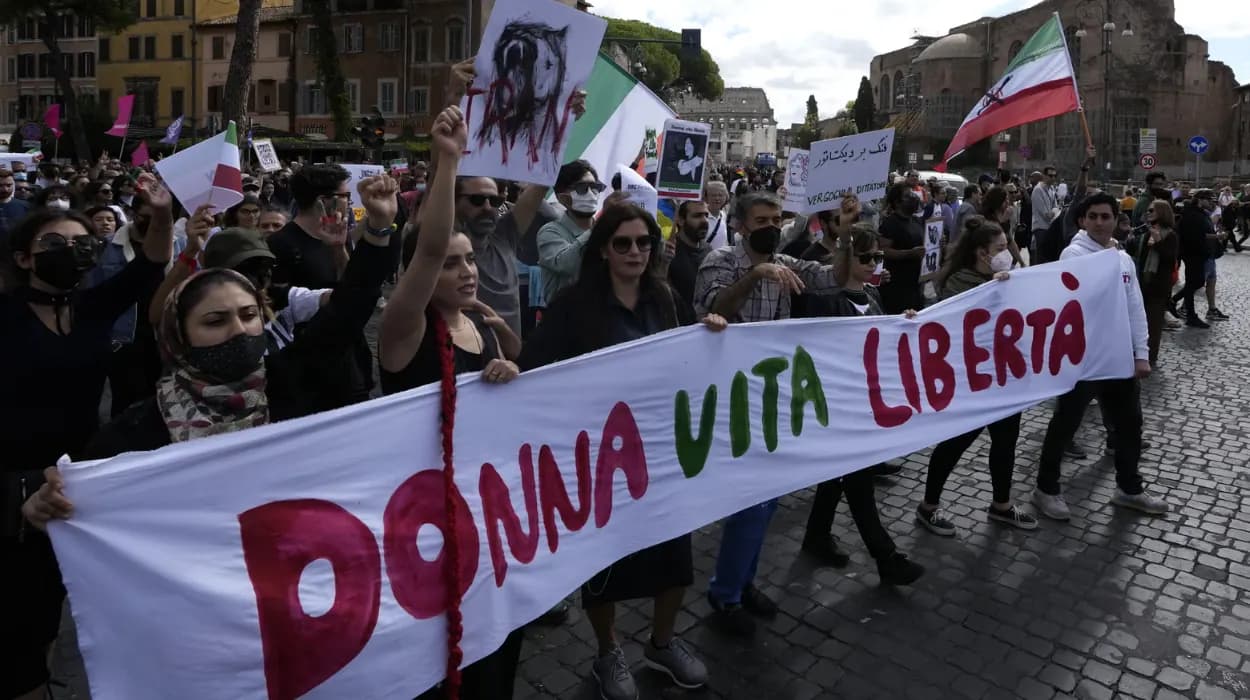
Women's rights protests have surged across Iran, building on the momentum of the 2022 Woman, Life, Freedom movement sparked by Mahsa Amini's death. Demonstrations challenge mandatory hijab laws, gender discrimination, and state repression, drawing global attention amid crackdowns. These uprisings reflect deep-seated grievances over patriarchal policies entrenched since the 1979 Islamic Revolution.
Historical Roots of Gender Inequality
Iran's gender dynamics shifted dramatically after the 1979 Revolution, when Ayatollah Khomeini's regime imposed strict Islamic codes. The new constitution mandated veiling for women in public, reversing pre-revolutionary gains where females comprised 30% of university students and held prominent roles in professions. By 1983, hijab became compulsory via the Islamic Penal Code, with violations punishable by fines, lashes, or imprisonment over 100,000 women arrested in the first year alone.
The 1980s saw family laws favor men: polygamy legalized, divorce rights skewed toward husbands, and inheritance shares halved for daughters. Women's workforce participation dropped from 13% in 1976 to under 10% by 1990, per World Bank data, as segregation policies confined them to "suitable" jobs. Yet resilience emerged reformist President Khatami's 1997-2005 era legalized women's sports spectatorship and raised marriage age to 13, though enforcement lagged.
Under hardliner Mahmoud Ahmadinejad (2005-2013), reversals accelerated: gender quotas limited university admissions for women in 77 fields, citing "imbalance." By 2010, female literacy hit 96%, surpassing men's 94%, fueling demands for equality. These policies sowed seeds for protests, as educated youth—60% of university students female chafed against legal barriers.
Mahsa Amini: The Catalyst Igniting Nationwide Fury
On September 13, 2022, 22-year-old Mahsa Amini died in Tehran police custody after her arrest by morality police for improper hijab. Autopsy reports, leaked by activists, revealed blows to the head and body, contradicting official claims of a heart attack. Her Kurdish heritage amplified outrage, evoking ethnic minorities' marginalization Kurds face systemic discrimination, with Persian-centric policies stifling cultural rights.
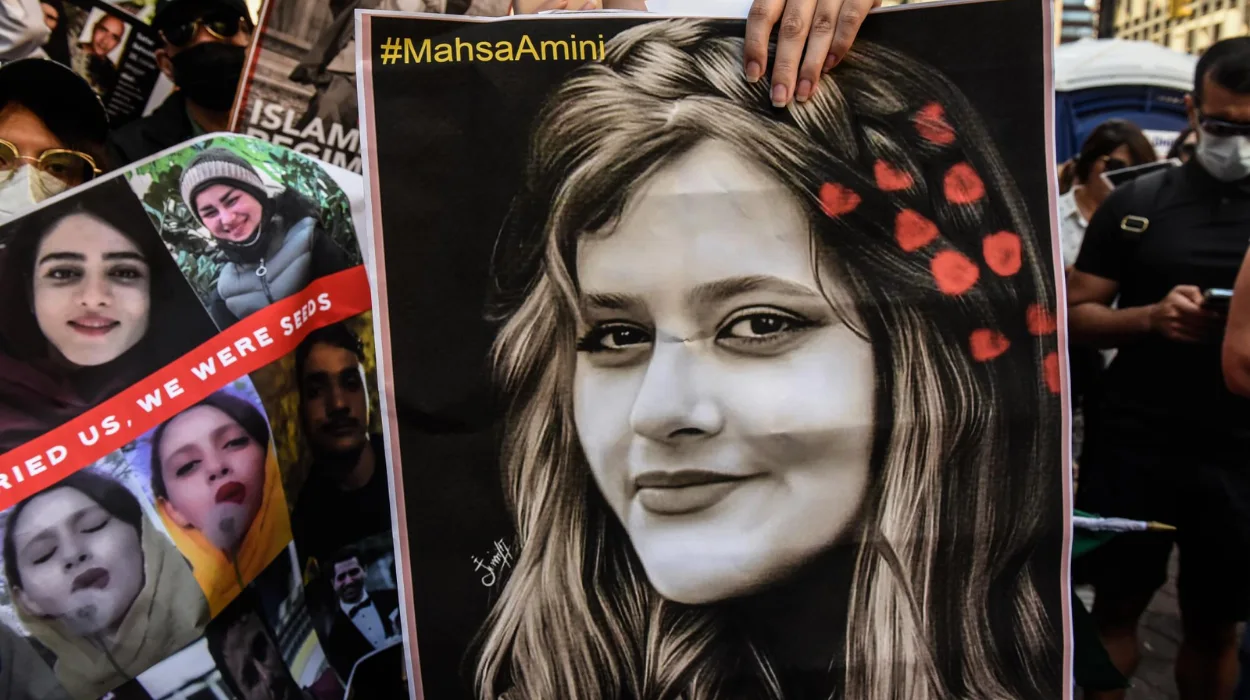 Stephanie Keith/Getty ImagesCredit:
Protests erupted immediately in Saqqez, her hometown, spreading to 200 cities within days. Chants of "Woman, Life, Freedom" (Zan, Zendegi, Azadi), a Kurdish slogan united women, students, workers, and even some clerics. Over 250 killed in the first month, per UN estimates, including 68 children; 19,200 arrests followed, with 500+ death sentences issued.
Amini's case exposed the Gasht-e Ershad patrols' brutality: 1,000+ daily stops pre-2022, disproportionately targeting unveiled women. Security footage showed officers dragging women into vans, sparking viral videos that evaded censors via VPNs—usage surged 700% during peaks.
Forms and Spread of Intensifying Protests
By 2026, protests evolved from street clashes to sustained defiance. Women burn hijabs in Tehran squares, cut hair in public, and enter stadiums unveiled—defying 2023 bans. University walkouts hit 80% of campuses, with female students boycotting classes; labor strikes in oil refineries and factories joined, halting 20% of production briefly.
Geographically, intensity varies: Tehran sees nightly clashes, with 50,000 participants in October 2025 rallies. Kurdistan and Baluchestan provinces endure deadliest responses—70% of protest deaths—due to armed resistance. Rural areas report "white hijab" campaigns, where women wear plain white scarves as passive protest.
Digital amplification thrives: #MahsaAmini trended globally 1.5 billion times, per NetBlocks. Balcony chants at 9 PM synchronize nationwide, evolving into flash mobs. Exiled activists like Narges Mohammadi, Nobel Peace Prize 2023, coordinate from Evin Prison via smuggled messages, inspiring copycat actions.
Key Demands and Grievances
Protesters demand abolition of compulsory hijab, enshrined in Article 638 of the penal code (74 lashes or 2 months jail). Broader calls target inheritance laws granting women half-shares, child custody biases awarding boys post-7, and travel bans requiring husband approval—impacting 40% of divorce cases.
Economic woes intersect: women's unemployment at 22% vs. men's 10%, per 2024 stats, amid 40% inflation. Honor killings persist—500 annually unreported—under lax evidentiary rules. Reproductive rights lag: abortion illegal except maternal risk, contributing to 300,000 illegal procedures yearly.
LGBTQ+ women face compounded perils; transgender rights stalled post-2017 fatwas. Protests frame these as patriarchal totality, rejecting Supreme Leader Khamenei's "Western feminism" label.
Government Crackdowns and Repression Tactics
Regime responses blend force and concession. Internet blackouts totaled 10 days in 2022, costing $1B GDP; Starlink smuggling aids circumvention. Basij militias—150,000 strong—deploy tear gas, birdshot (blinding 1,000+), and live rounds; 600 deaths by mid-2023, HRW reports.
Post-2023, "forgiveness" amnesties freed 5,000 but targeted leaders: executions of Mohsen Shekari (first protester hanged) and Majidreza Rahnavard chilled dissent. Surveillance via facial recognition tracks 80% of Tehran cameras, linked to China tech. Women face "re-education" camps, with 20,000 detained.
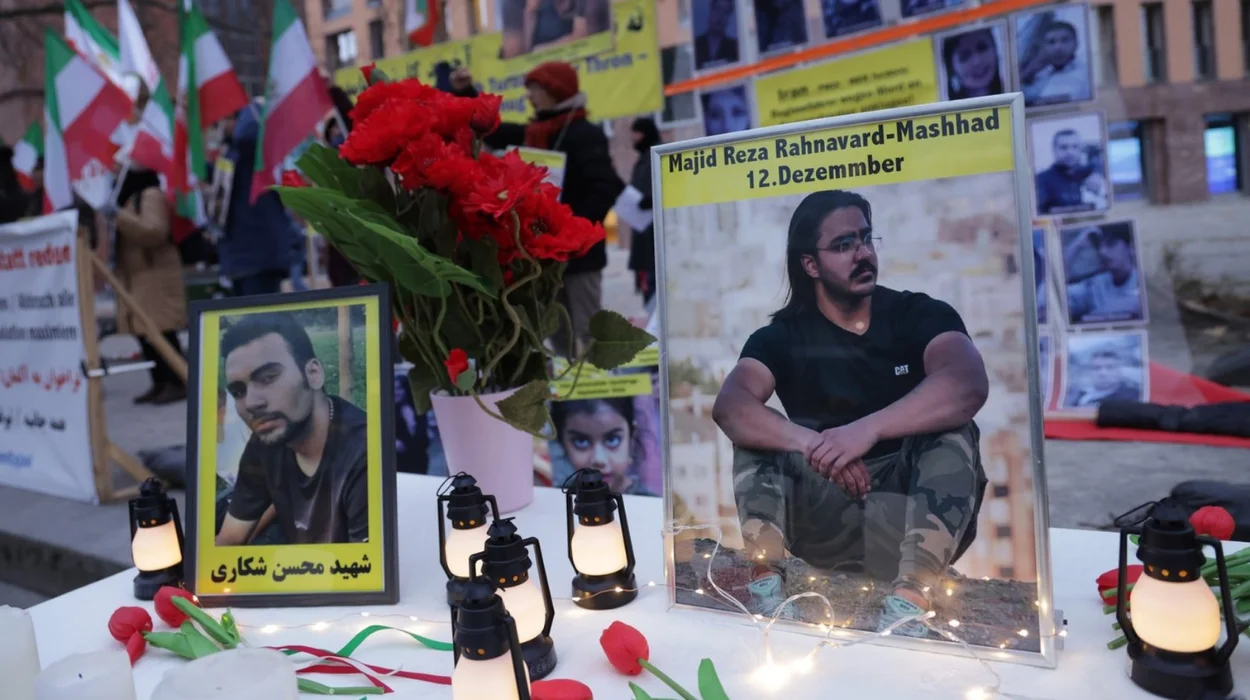
Credit: Getty Images
Khamenei's 2024 fatwa branded protests "riots," justifying lethal force under Article 17 of the Islamic Penal Code. Yet micro-concessions—like 2025 hijab fine reductions—fail to quell fury.
Societal Shifts and Generational Divide
Youth lead: 70% under 30 participate, per Iran Human Rights. Social media fosters "burn the turban" symbolism—clerics targeted as regime icons. Male allies shave beards, join chants; 40% of detainees male, showing solidarity.
Class dynamics evolve: middle-class Tehranians fund VPNs, while workers strike for wages. Exilic diaspora—4 million Iranian women abroad—raises $100M via GoFundMe for legal aid. Polls (underground) show 85% female support for hijab abolition, up from 60% in 2020.
Cultural rebellion thrives: graffiti art, protest rap by Toomaj Salehi (executed 2025), and underground films evade bans. Universities rename halls after Amini.
International Solidarity and Pressure
Global responses amplify: UN General Assembly condemned Iran thrice since 2022; EU sanctioned 100 officials. U.S. admitted 50,000 Iranian refugees; Biden's 2025 "Mahsa Act" froze $6B IRGC assets. Women in Europe, U.S. hold "Fridays for Freedom," mirroring tactics.
Regional caution: Saudi Arabia, post-2023 détente, stays silent; Turkey hosts exiles but trades oil. Israel's 2025 strikes cited protests as "internal weakness." Nobel's Mohammadi galvanized 1,000 cities' vigils.
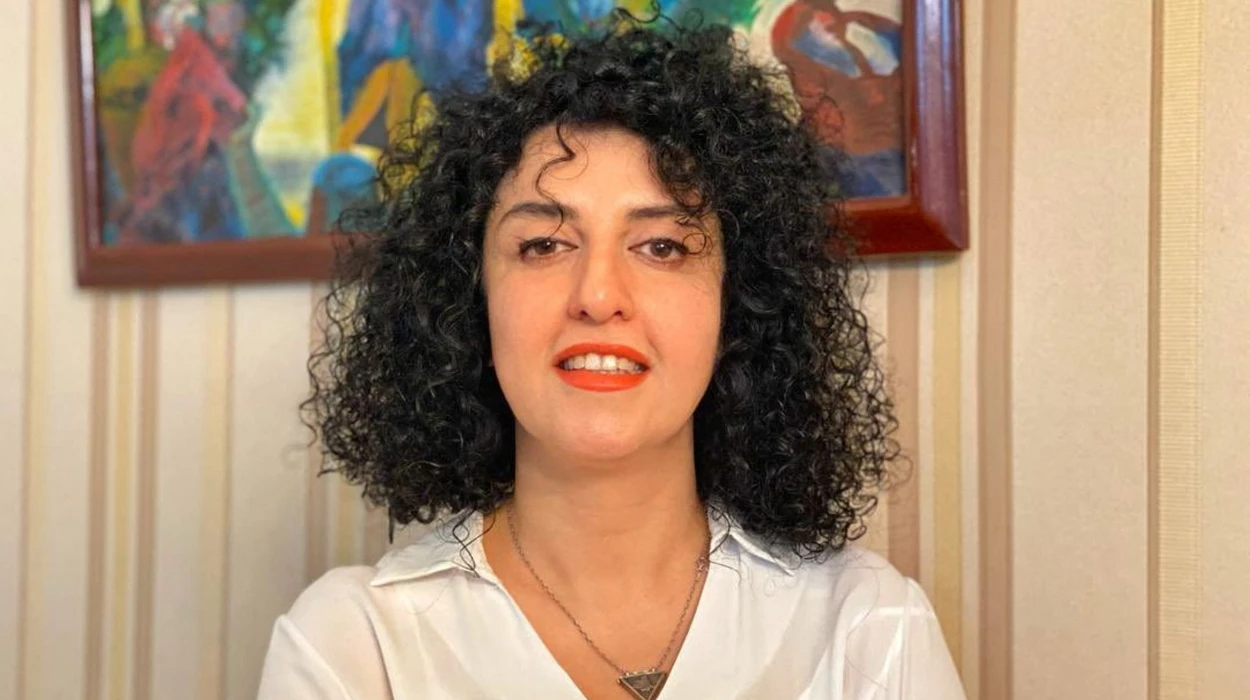 Credit: Mohammadi family archive photos/Reuters
Amnesty International documented 22,000 arbitrary arrests; ICC probes war crimes since 2024.
Economic and Political Ramifications
Protests disrupt: GDP growth stalled at 1% in 2025, oil exports down 15% from strikes. Brain drain accelerates 500,000 emigrated 2022-2025, 60% skilled women. Reform whispers emerge: Pezeshkian's 2024 presidency promised hijab reviews, but Guardian Council blocks.
Succession loomsKhamenei, 86, health failing—protests target son Mojtaba. Military splits: some IRGC wives protest covertly. 2026 elections boycotted by 90% youth. Sustained intensity hinges on unity: ethnic fractures risk dilution. Regime fatigue shows desertions up 20%. Yet nukes deter intervention; China-Russia veto UNSC. Optimists eye Tunisia parallels; pessimists, Syria.
Protests redefine Iran: from atomized dissent to collective force. Amini's grave, raided repeatedly, symbolizes unyielding spirit. Escalation persists, demanding systemic overhaul.