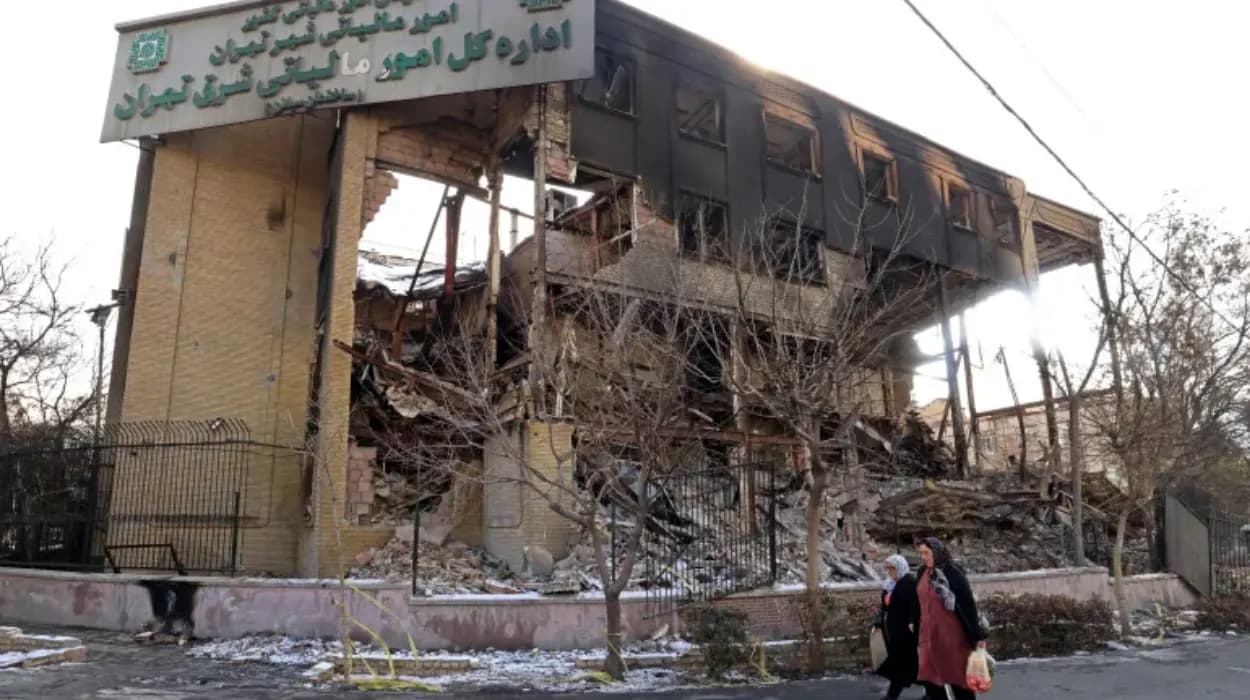
Tehran (Washington Insider Megazines) – 22 January 2026 – Protests erupted across Iran on 28 December 2025, triggered by soaring prices and economic collapse, evolving into widespread demonstrations against the government led by Ayatollah Ali Khamenei. Iranian women have taken prominent roles at the forefront of these protests, reviving elements of the 2022 Women, Life, Freedom movement. State media reported 3,117 deaths in the unrest, including 2,427 civilians and security forces, while human rights groups cite higher figures exceeding 4,500.
Protests began in Tehran on 28 December 2025, in response to economic hardships including soaring prices and a collapsing economy. The demonstrations quickly spread nationwide, transforming into a mass movement challenging the theocratic government under Supreme Leader Ayatollah Ali Khamenei.
Iranian state television aired a statement from the Martyrs Foundation on 20 January 2026, confirming 3,117 people killed since the protests started, with 2,427 identified as civilians and security forces.
Economic Triggers Ignite Nationwide Demonstrations
 Credit: prismnews.com
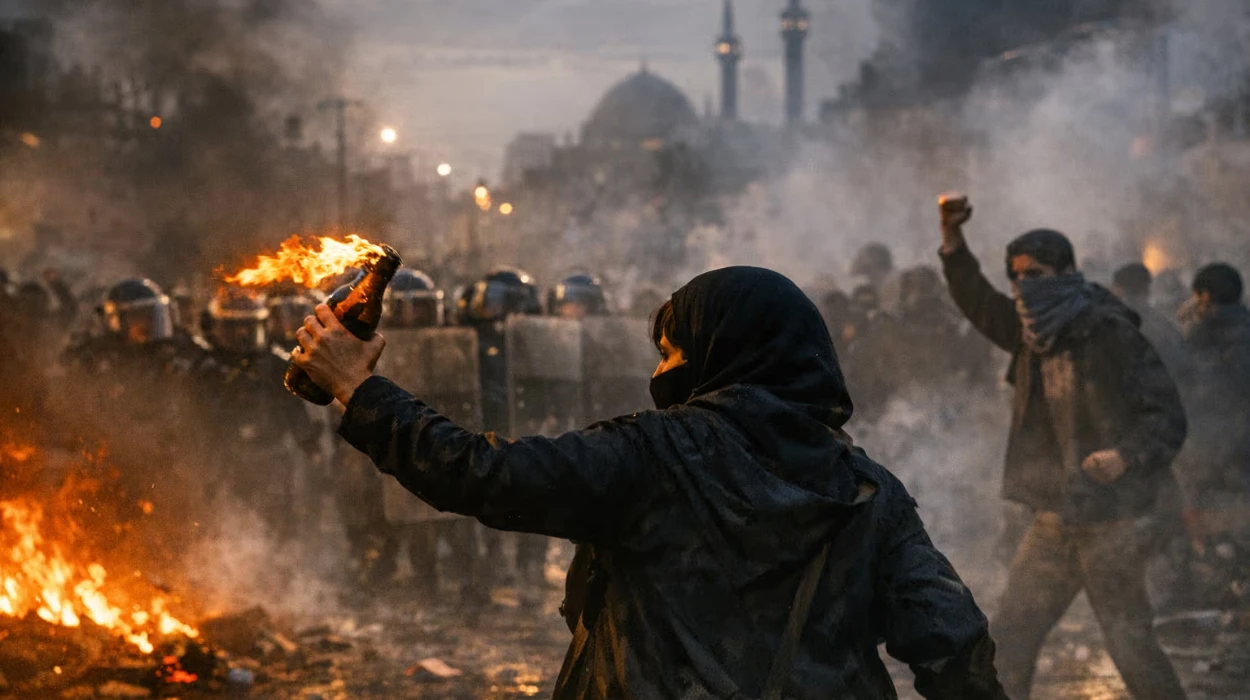
The initial spark came from public frustration over rapid economic decline, with protests and strikes reported across multiple cities within days. Videos and eyewitness accounts show demonstrators chanting against the regime, with participation from youth and women defying restrictions. By early January 2026, the unrest had reached at least 16 provinces, marking the largest wave since the 1979 Islamic Revolution.
Security forces responded with live fire, tear gas, and arrests, leading to significant casualties. The US-based Human Rights Activists News Agency (HRANA) documented 4,560 deaths as of late January 2026, relying on a network of activists inside Iran. Most victims were under 30, reflecting Iran's young population from the post-1979 baby boom.
An internet blackout imposed since 8 January 2026 has limited information flow, but smuggled videos depict security forces targeting protesters. Nearly 26,500 arrests have occurred, according to HRANA.
Women Emerge as Key Figures in Protests
Women have led many demonstrations, openly rejecting hijab mandates and state authority over personal freedoms. A viral trend shows Iranian women lighting cigarettes to burn images of Ayatollah Khamenei, shared on platforms like X, Reddit, Instagram, and Telegram despite illegality. Observers note these acts as deliberate defiance against religious and governmental controls.
Named victims include Akram Pirgazi, 40, a mother of two reported as the first woman killed; Rebin Moradi, 17, a footballer; and Robina Aminian, 23, a fashion design student shot in the head during a rally. Aminian's uncle stated she sought freedom and women's rights.
A widely shared video features an elderly woman, bloodied but shouting, "I’m not afraid. I have been dead for 47 years," referencing the regime's duration since 1979. Women activists and youth campaigners remain at the forefront, as reported by France 24.
Government Response and Casualty Figures
 Credit: EPA
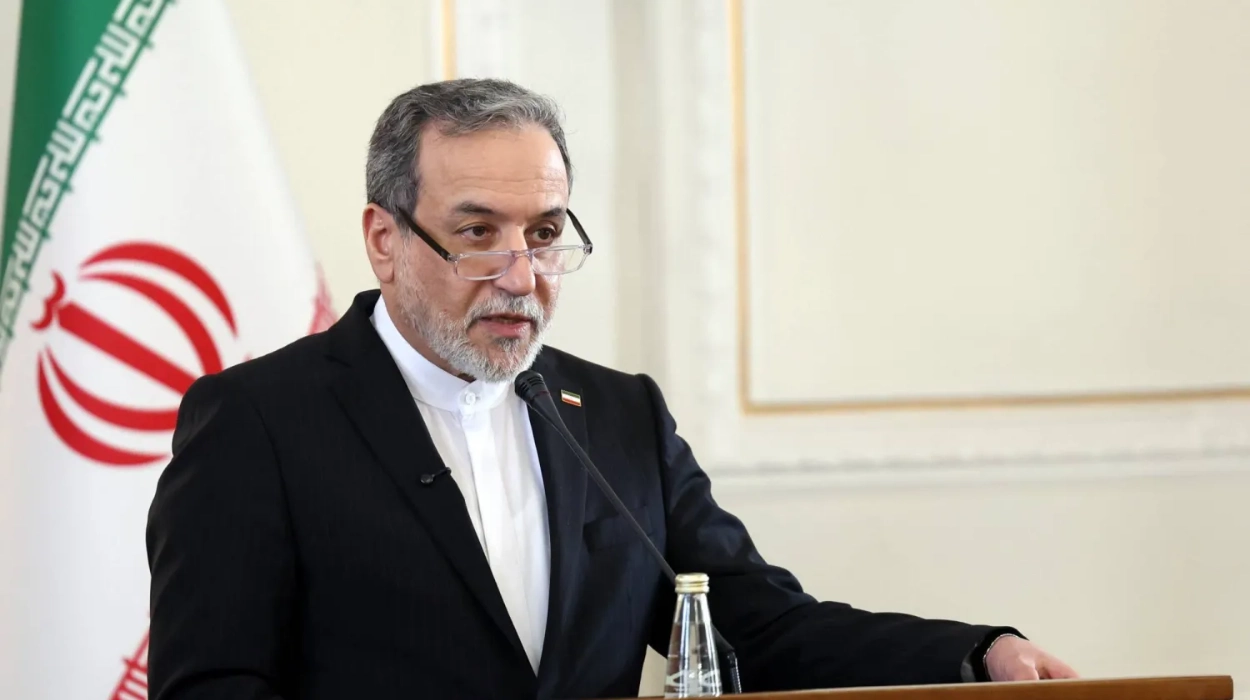
Iran's Foreign Minister Abbas Araghchi addressed the protests in a Wall Street Journal column, claiming the violent phase lasted less than 72 hours and blaming armed demonstrators. He warned of retaliation against potential external attacks, referencing unused missile stockpiles.
Supreme Leader Ayatollah Ali Khamenei described the protests as leaving "several thousand" dead, attributing unrest to the UnitedStates. State media's 3,117 death toll contrasts with HRANA's 4,560 and other estimates up to 6,000 by early January.
On 8 January 2026, at least 217 deaths occurred in Tehran alone, with bodies reportedly removed by security forces. HRANA confirmed 135 security personnel killed as of 18 January 2026.
Historical Context of Women's Resistance
The current protests build on the 2022 Mahsa Amini uprising, sparked by the death of 22-year-old Mahsa Amini in morality police custody for improper hijab wearing. Eyewitnesses alleged beating, denied by authorities; protests spread from Saqqez to nationwide, demanding women's rights and regime overthrow.
That movement, under "Woman, Life, Freedom," saw female protesters, including schoolchildren, play key roles amid internet blackouts and gunfire. Over 500 killed and 20,000 arrested then, with ongoing repression including executions and hijab enforcement.
Women participated crucially in the 1979 revolution but faced rights rollbacks post-victory, including travel restrictions by husbands and hijab punishments from fines to flogging. The 2025-2026 wave revives this resistance, with women positioned centrally in calls for democratic change.
International Reactions and Regional Tensions
 Credit: Reuters
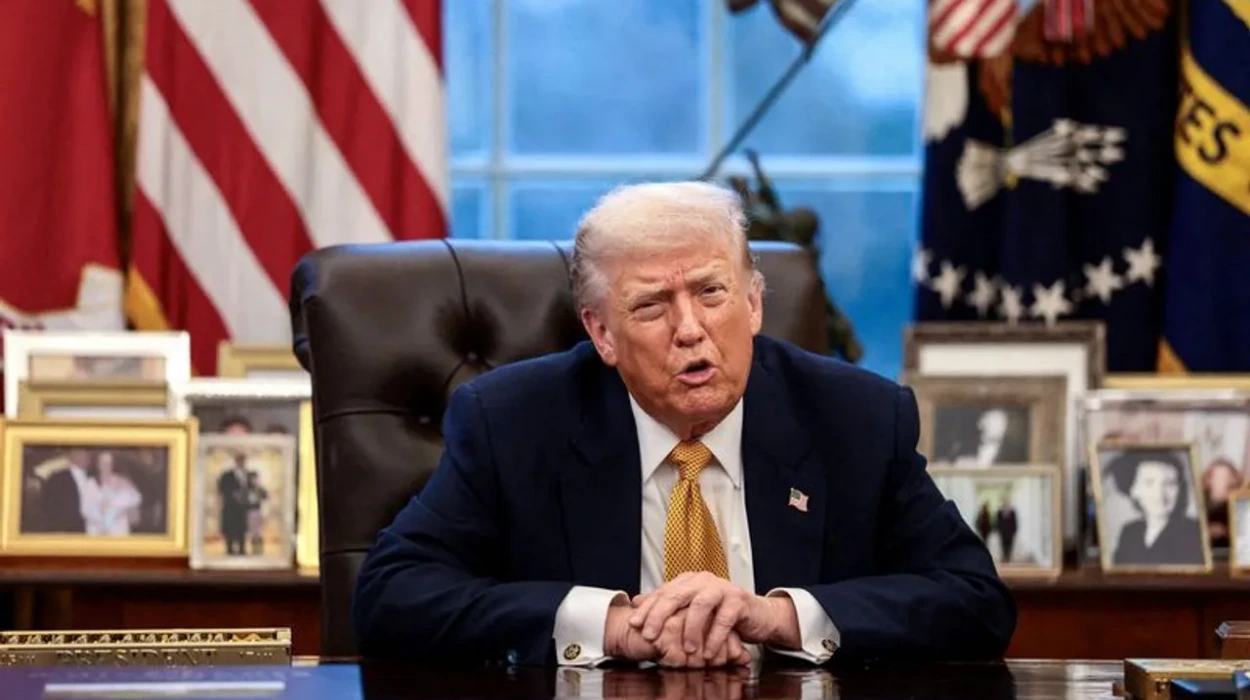
US President Donald Trump set red lines against protester killings and executions, amid Gulf Arab lobbying against strikes. The USS Abraham Lincoln carrier group moved toward the Middle East, with F-15E jets and HIMARS systems deployed.
Iran shut airspace in anticipation and attacked a Kurdish dissident base in Iraq, killing one fighter, as claimed by the National Army of Kurdistan. Araghchi's Davos invitation was rescinded over the crackdown.
Human rights groups condemned the "brutal and disproportionate" force, with families of killed protesters detained or silenced. Protests continue to expose regime challenges, with women sustaining defiance.