
Summary
- Japan’s
PM Shigeru Ishiba’s party lost its Upper House majority for the first time
since 1955. - The
ruling coalition secured only 47 of the 50 seats needed, losing control of
both parliamentary houses. - Voter
dissatisfaction stemmed from rising costs, corruption scandals, and
immigration worries. - Right-wing
and nationalist parties gained significant support. - Despite
pressure, Ishiba vowed to remain in office and lead amid political
uncertainty
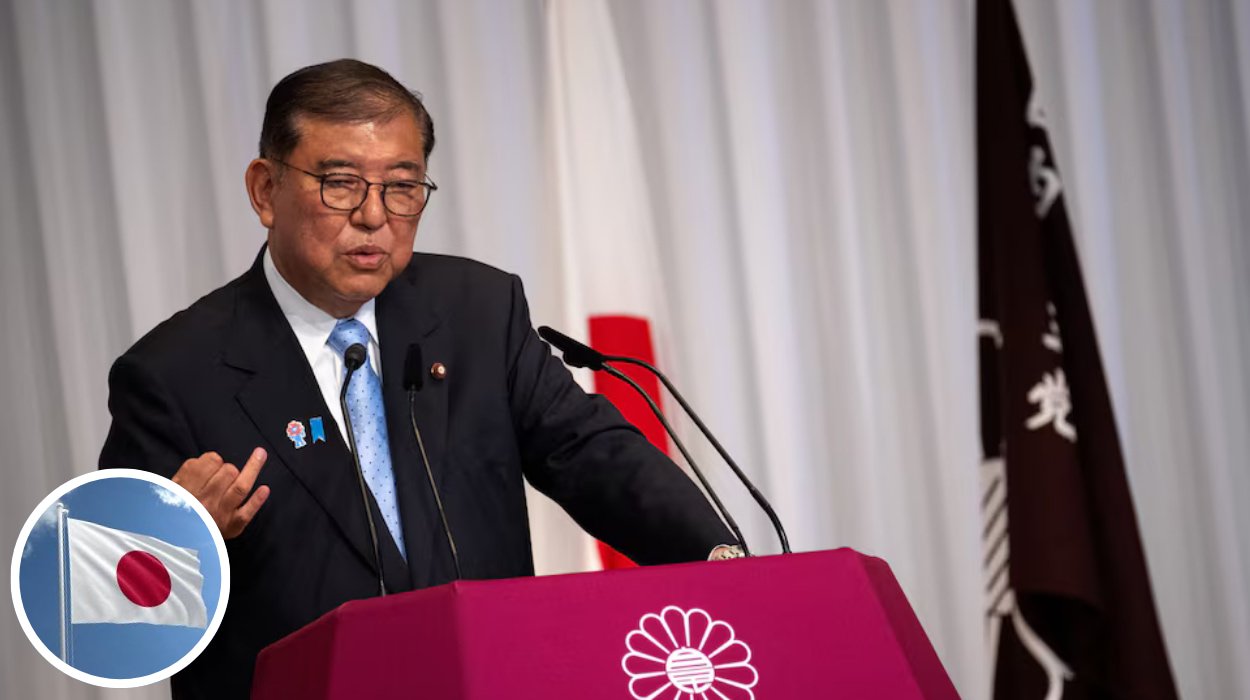
Prime Minister Ishiba addressed the
public and party members, emphasizing his commitment to continue leading the
government despite the challenges resulting from the recent election outcomes.
This decision comes at a time when voter sentiment clearly expressed discontent
with his administration’s performance, which is reflected in the vote shares
lost by his party.
The election results, described by several analysts as
“bruising,” indicate a significant shift in the political dynamics
within Japan. Ishiba’s party faced setbacks across multiple constituencies,
signaling a demand for change among the electorate. However, Ishiba’s statement
underscores a readiness to confront the obstacles ahead and maintain stability
during this period of political transition.
What Were the Election Results That Led to Ishiba’s Defeat?
The elections held recently saw Ishiba’s party losing a
considerable number of seats, weakening their standing in the national
legislature. This loss jeopardizes their ability to enact policy effectively
and maintain cohesive control over the government’s legislative agenda.
Detailed vote counts and constituency-level breaks have shown a trend favoring
opposition parties, reflecting broader public dissatisfaction focused on
economic and social issues.
While exact figures are still being analyzed in
post-election reports, the overall outcome is clear: Ishiba’s party did not
meet expectations, resulting in what many political commentators described as a
sharp decline in voter confidence.
Why Is Prime Minister Ishiba Insisting on Staying in Office?
As reported by local political correspondents, Ishiba’s
insistence on remaining in power stems from a desire to provide continuity and
prevent a leadership vacuum. This stance also indicates his confidence in
navigating the party through the current crisis and working toward rebuilding
support for future elections.
Ishiba’s approach appears to balance respect for the
democratic verdict with a strategic commitment to governance, emphasizing the
importance of political stability both domestically and in international
relations.
What Challenges Does Ishiba Face Moving Forward?
The principal challenges ahead for Ishiba involve regaining
public trust, uniting his party, and effectively responding to the policy
demands implied by the election results. Political experts suggest that Ishiba
will need to engage in significant internal reforms and outreach to
counterbalance the opposition’s gains.
Moreover, his leadership will be tested in maintaining
diplomatic relationships particularly in an increasingly complex regional
environment where Japan plays a critical role. Ishiba’s ability to manage both
domestic policy and foreign affairs will be crucial as his administration
adjusts to the changed political landscape.
What Does This Defeat Mean for Japan’s Political Stability?
Japan’s ruling coalition’s loss of majority in the Upper
House deepens political uncertainty in a country long dominated by the LDP
since 1955. The defeat compounds earlier losses, leaving the government as a
minority in both houses for the first time in decades. This shift interrupts
the party’s long-standing control and complicates Ishiba’s ability to pass
legislation crucial for economic recovery and policy reforms. Analysts view the
results as a clear signal of public discontent not only with economic issues
such as inflation and stagnant wages but also with repeated corruption scandals
that continue to erode trust in the ruling establishment. With right-wing
nationalist parties gaining ground, Japan faces a more fragmented and
unpredictable political landscape that could affect both domestic governance
and foreign relations.
How Will Prime Minister Ishiba Navigate His Leadership
Crisis?
Despite the electoral setbacks, Prime Minister Shigeru
Ishiba remains resolute about staying in power. In interviews following the
vote, Ishiba acknowledged the poor showing and expressed humility but
emphasized his commitment to carrying out key national duties including wage
growth, economic targets, and responding to security challenges. However, his
position is fragile given internal party pressure for leadership change or
coalition restructuring. Moving forward, Ishiba must reconcile party factions,
rebuild public confidence, and respond effectively to opposition forces. How he
manages these challenges will define Japan’s political trajectory in the near
term and determine the government’s capacity to address pressing issues amid
increasing domestic and international complexities.
How Are Other Political Figures Reacting to the Outcome?
Reactions among opposition leaders have been cautiously
optimistic, interpreting the election results as a mandate for change. Some
senior opposition figures have welcomed Ishiba’s resolve to stay but have
expressed readiness to challenge his government’s future initiatives
vigorously.
Party insiders and analysts suggest that internal debates
about leadership and strategy are likely to intensify, shaping the country’s
political discourse in coming months.
The broader context of Japan’s recent election underscores
shifting voter priorities and the evolving nature of political leadership in a
major global economy. As journalists with over a decade of experience in
political reporting, it is essential to track how Prime Minister Toshihiro
Ishiba’s decisions impact Japan’s governance and its role on the world stage.
This ongoing story will continue to develop as more detailed analyses and
responses emerge from the country’s political institutions and citizenry.