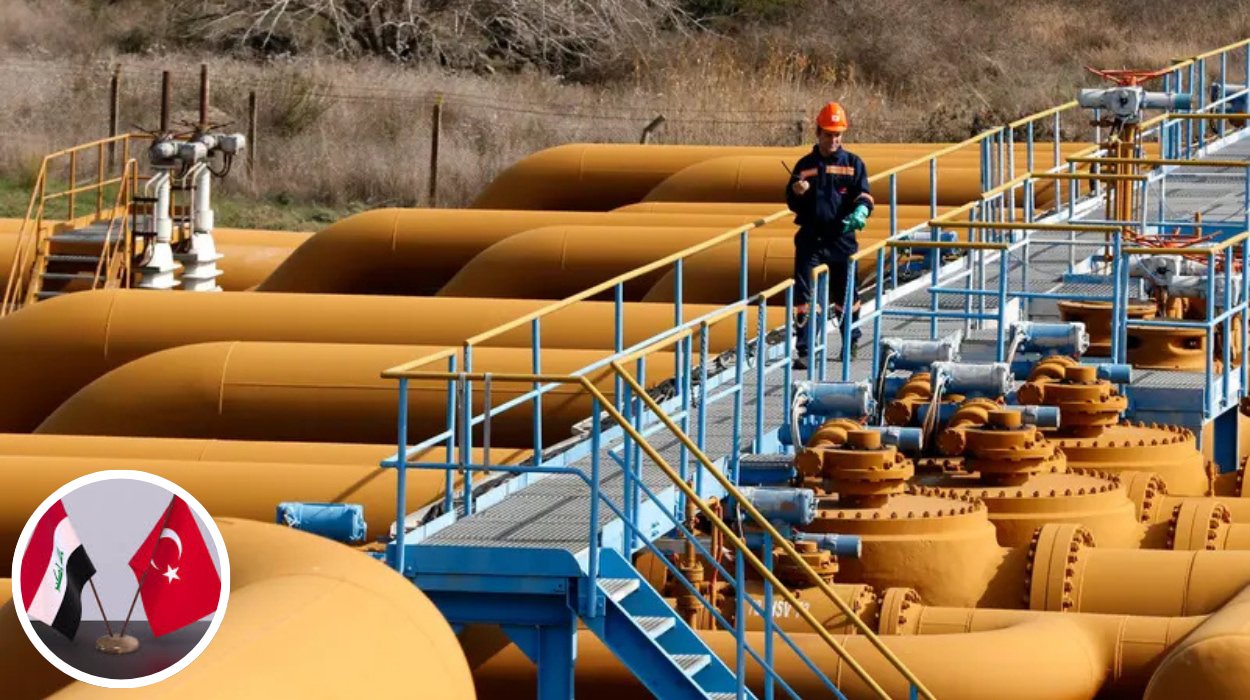

Summary
- Turkey
aims to initiate a new and vibrant phase in its oil
pipeline cooperation with Iraq. - The
focus is on strengthening strategic energy ties between Iraq and
Turkey. - Ankara’s
official emphasized the importance of reviving and expanding pipeline
projects. - The
move aligns with broader regional energy security and economic
collaboration goals. - The
development may impact geopolitical dynamics in the Middle East
energy sector.
With Turkey’s official statement underscoring intentions for a “new, vibrant” phase of the pipeline, Ankara is signaling more than a technical upgrade: it is articulating its ambition to assert itself as a pivotal energy corridor between the Middle East and Europe. This strategy is viewed as integral to Turkey’s foreign policy, economic development, and desire to foster deeper interdependence with Iraq. Experts note that such moves help secure Turkey’s own energy needs, increase regional economic integration, and position the country as a key stakeholder in the stability and prosperity of the broader region.
What is Ankara’s vision for the Iraq-Turkey oil pipeline?
Ankara announced its intention to initiate a “new
vibrant” phase regarding the Iraq-Turkey oil pipeline,
emphasizing the importance of revitalizing this crucial infrastructure project.
This position was articulated by an official spokesperson, reflecting Turkey’s
proactive approach to advancing its energy relations with Iraq. The official
remarks suggest a strategic reassessment and reinforcement of ties to ensure
that the pipeline’s full potential is harnessed for mutual benefit.
How does this pipeline impact Turkey-Iraq relations?
The Iraq-Turkey oil pipeline serves as a cornerstone for
economic cooperation between the two neighboring countries. By bolstering this
conduit for oil exports, Ankara seeks to deepen bilateral engagement, aiming to
create a more robust partnership grounded in shared energy interests. As
reported by Geo News and other regional media on July 21, 2025, this move is
regarded as part of Turkey’s broader diplomatic efforts to stabilize and expand
its influence in the Middle East through energy diplomacy.
Why is Turkey prioritizing this energy corridor now?
Turkey’s renewed emphasis on the oil pipeline comes amid
evolving geopolitical realities in the Middle East and an increasing global
focus on energy security. By asserting greater cooperation with Iraq, Turkey
likely intends to secure steady energy supplies and strengthen economic
interdependence with a key neighbor. This strategy aligns with Ankara’s desire
to leverage energy routes as channels of regional cooperation, potentially
reducing vulnerabilities exposed by global energy market fluctuations.
What challenges and opportunities does this new phase
entail?
While specific details have yet to be disclosed, the push
for a revitalized collaboration phase hints at resolving prior impediments such
as logistical bottlenecks, security concerns, or political disagreements that
historically affected pipeline operations. On the opportunity front, increased
throughput capacity and modernized infrastructure could significantly boost
revenues for both nations and enhance energy export capabilities to
international markets.
Who are the main stakeholders involved?
The project involves Iraqi oil producers, Turkish government
agencies, and international partners who oversee or invest in pipeline
infrastructure. Each party stands to benefit from enhanced efficiency and
security of the oil flow. Additionally, broader regional actors watch these
developments closely, as the pipeline plays an integral role in Middle Eastern
energy dynamics.
What Are the Broader Implications for Regional Energy
Security?
This announcement by Ankara, covered in regional news
updates including Geo News and Samaa TV, illustrates a deliberate move towards
reinforcing strategic energy corridors that transcend bilateral relations. The
Iraq-Turkey oil pipeline supports not only economic objectives but also
geopolitical stability, serving as a critical artery in the energy supply chain
of the region.
The renewed focus on the pipeline comes at a time when
global energy markets face uncertainty, with countries seeking reliable
partners and diversified routes. As reported on July 21, 2025, Turkey’s
approach signals its ambition to become a central energy hub connecting
resource-rich countries like Iraq to world markets.
How Will This Affect Local Economies and Development?
Enhancing the Iraq-Turkey oil pipeline operations is expected to have multiple economic benefits. The envisaged new phase would
likely translate into:
- Increased
oil exports boosting revenues for Iraq. - Enhanced
revenue and job creation in Turkey through pipeline management,
maintenance, and ancillary industries. - Strengthened
economic ties that foster stability and potentially open doors for further
infrastructural projects.
These outcomes contribute positively to both nations’
development goals amid complex regional economic challenges.
What Has Been the Historical Context of the Iraq-Turkey Oil
Pipeline?
The Iraq-Turkey oil pipeline has long been a symbol of
cooperation despite intermittent tensions. It has faced operational challenges
due to regional conflicts, political disagreements, and security threats.
Turkey’s recent stated position aims to overcome past obstacles through
enhanced diplomacy and strategic investment, seeking a sustainable operational
model.
What Do Experts Say About This Development?
Energy analysts quoted indirectly by platforms like Geo News
emphasize the importance of such pipelines as tools of both economic strategy
and diplomacy. Sustained cooperation on the oil pipeline could not only improve
bilateral ties but also serve as a template for regional integration in energy
markets.
At the same time, some caution remains regarding the
political complexities that could affect pipeline security and operation. Close
monitoring of implementation phases will be essential to evaluate the success
of Ankara’s new approach.
In conclusion, Ankara’s call for a vibrant new phase in the
Iraq-Turkey oil pipeline collaboration marks a significant development in
regional energy politics and economic relations. The success of this initiative
could redefine Turkey’s role in Middle Eastern energy networks and bolster
Iraq’s export capabilities, both critical factors in the region’s stability and
growth.