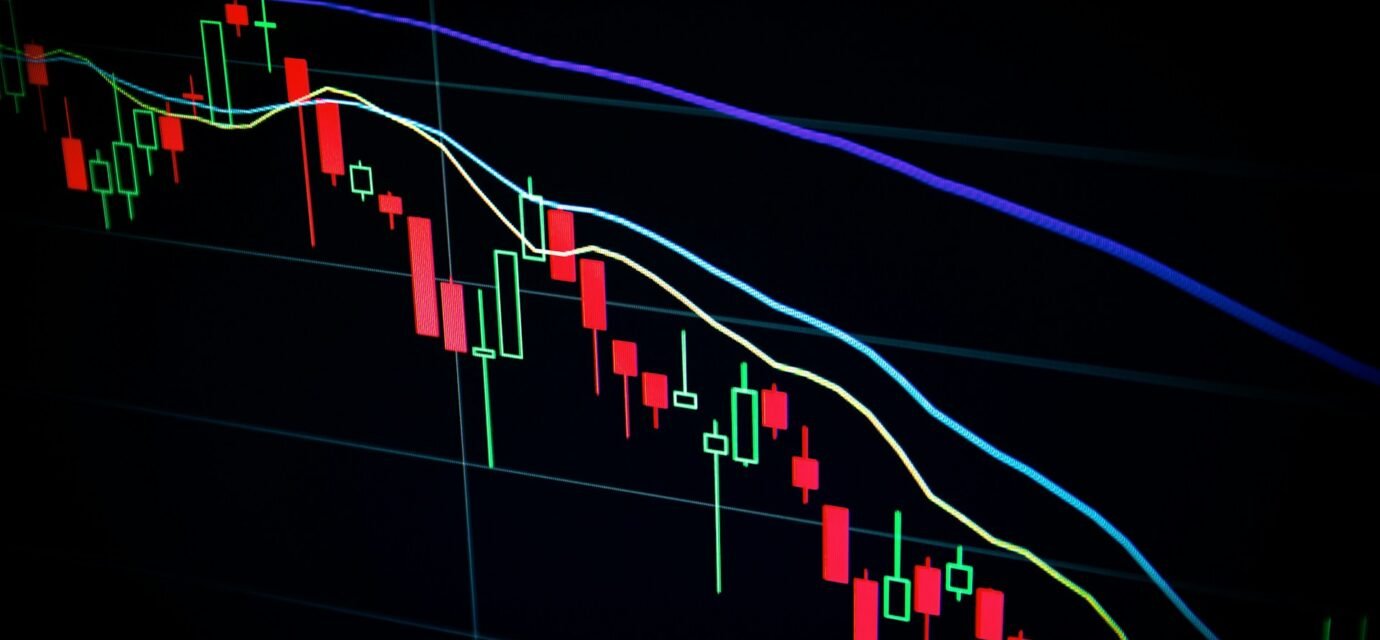

NEW YORK, United States, 12 June 2026 (Washington Insider Magazine) investor confidence trends are showing signs of change as market participants navigate a mix of economic data, interest rate uncertainty, and global developments. While major stock indexes remain near historically strong levels, recent trading activity suggests investors are becoming more selective about where they place their money.
The shift comes as investors continue evaluating inflation data, labor market conditions, and corporate earnings reports. Together, these factors are shaping expectations for the economy and influencing decisions across financial markets.
Why Investors Are Paying Closer Attention to Economic Reports
Economic indicators have become a major driver of market sentiment in recent months. Reports on employment, consumer spending, and inflation are providing clues about the strength of the economy and the direction of monetary policy.
Investors are looking for evidence that economic growth can continue without reigniting inflation pressures. Strong data often boosts confidence, while weaker figures can trigger concerns about slowing business activity and consumer demand.
This balancing act has made markets increasingly sensitive to every major economic release.
Money Is Moving More Selectively Across Markets
Recent fund flow activity suggests investors are becoming more strategic in their allocations. Instead of broadly buying stocks, many are focusing on sectors that offer stronger earnings visibility and long-term growth potential.
Technology companies tied to artificial intelligence continue attracting attention, while defensive sectors such as healthcare and consumer staples are also seeing interest from investors seeking stability.
The trend highlights a market environment where confidence remains intact but is no longer as widespread as it was during earlier rallies.
Interest Rate Questions Continue to Shape Decisions
Expectations surrounding interest rates remain one of the most important influences on investor behavior. Borrowing costs affect businesses, consumers, and financial markets, making central bank policy a key factor in investment decisions.
As investors wait for additional policy signals, many are choosing to maintain diversified portfolios rather than making aggressive bets in either direction. This approach reflects uncertainty about how economic conditions may evolve during the second half of the year.
One market analyst said,
“Investor sentiment remains constructive, but there is a growing focus on quality investments and economic resilience rather than broad market enthusiasm.”
Global Developments Add Another Layer of Uncertainty
Beyond domestic economic concerns, investors are also monitoring international developments. Geopolitical tensions, energy prices, and trade activity continue influencing market sentiment around the world.
Large institutional investors are paying close attention to these developments because they can affect corporate earnings, supply chains, and overall economic growth. As a result, global events are playing a larger role in shaping investment strategies than they did earlier in the year.
Confidence Remains, But Caution Is Growing
Despite signs of caution, many analysts do not see current conditions as a sign of widespread pessimism. Instead, investors appear to be taking a more measured approach while waiting for greater clarity on economic and policy trends.
The latest investor confidence trends suggest that market participants still see opportunities for growth, but they are becoming more disciplined in their decision-making. As new economic data emerges and corporate earnings continue to be released, investor sentiment will likely remain one of the most closely watched indicators on Wall Street.