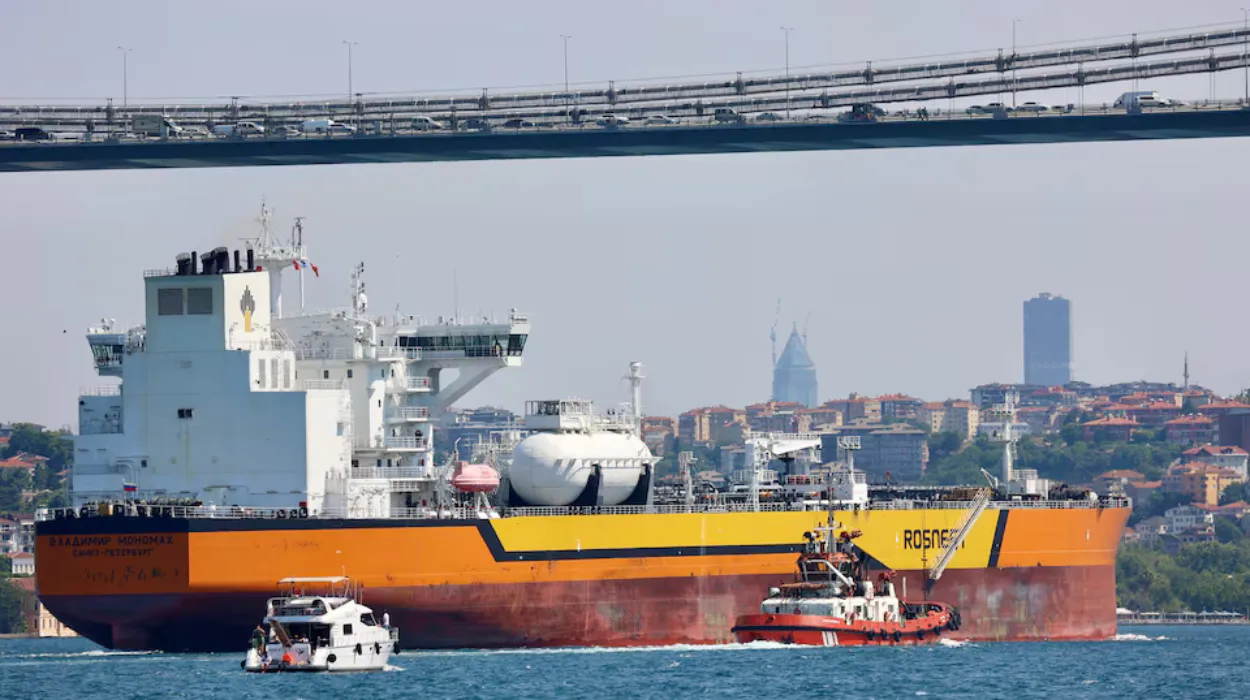

India has firmly stated it will continue purchasing Russian
oil despite the United States imposing heavy tariffs on Indian imports as a
punitive measure. The tariffs, which cumulatively reach a staggering 50% on
some Indian goods, are part of the Trump administration’s strategy to pressure
India to reduce its oil trade with Russia amidst ongoing sanctions linked to
Russia’s invasion of Ukraine.
Finance Minister Nirmala Sitharaman defended India’s energy
policy, emphasizing the country’s sovereign right to secure affordable energy
supplies for its population. She said,
“India will continue to buy Russian oil because it is
necessary for our energy security and economic growth. The decisions we take
are in the best interest of our people, and we will not bow down to external
pressure.”
Context Behind US Tariffs on India
The Trump administration escalated tariffs on Indian exports
in August 2025 specifically in response to India’s continued importation of
Russian crude oil. Initially, a 25% tariff was introduced, which was followed
by an additional 25% ad valorem duty, effectively doubling the trade penalty on
certain goods from India. These tariffs come on top of existing trade frictions
and have complicated relations between the world’s two largest democracies.
An official Executive Order framed the tariffs as
reinforcing U.S. economic interests during the national emergency in response
to Russia’s military actions in Ukraine. President Trump declared that India’s
procurement of discounted Russian oil circumvents broader efforts to isolate
Russia economically.
U.S. Treasury Secretary Scott Bessent remarked on
CNBC,
“India’s ongoing purchases of Russian oil have
benefited some of the wealthiest families in the country and undermine our
collective pressure on Moscow.”
This statement underscored Washington’s rationale for using
trade as leverage for geopolitical aims.
India’s Historical and Economic Imperatives
India’s longstanding strategic alliance with Russia is
deeply rooted in Cold War diplomacy and military cooperation, with Russia
serving as a critical defense supplier. Economically, the surge in Russian oil
imports since the Ukraine war began reflects New Delhi’s urgent need for
affordable energy amid global supply disruptions.
Before the war, India imported about 3% of its crude oil
from Russia; however, this share jumped to approximately 50%
in 2025, as noted by data tracking oil flows. Major Indian refiners such as
Reliance Industries, led by Asia’s richest individual Mukesh Ambani, have
leveraged discounted Russian crude to feed massive refining capacities and
serve domestic consumption, as well as export markets.
Despite slowing imports following tariff imposition, Indian
sources have indicated the discounted price offered by Russia remains a major
incentive. A senior official at Bharat Petroleum explained that recent
reductions in discounts have led to slight import decreases but pledged
continued engagement based on economic merit.
Impact on US-India Trade Relations
The tariffs have significantly strained US-India trade
negotiations, with American officials conveying that curbing Russian oil
imports is a key precondition for reducing tariff rates and advancing a broader
bilateral trade deal. However, Indian trade representatives insist that
sanctions impinge on national sovereignty and energy independence.
Commerce Minister Piyush Goyal asserted,
“We are focused on building new markets and
strengthening global partnerships rather than succumbing to punitive tariffs.
Our priority remains affordable energy and sustainable growth.”
This stance reflects India’s broader diplomatic balancing
act between engaging with Western allies and maintaining longstanding ties with
Russia.
While the United States exempts itself from similar
restrictions—continuing imports of Russian uranium, palladium, and
fertilizers—India views the sanctions as inconsistent and driven by
geopolitical interests rather than market considerations.
Economic Realities Behind India’s Oil Strategy
Energy security concerns remain paramount, as India’s
population of 1.4 billion relies heavily on affordable fuel to drive economic
development. The spike in global oil prices since 2022 has pressured Indian
industry and consumers, motivating New Delhi’s pragmatic approach to oil
sourcing.
Analysts note that around 60% of India’s Russian oil imports
flow through long-term contracts, binding the country to these supplies for
extended periods despite diplomatic pressures. Adjustments in import levels
thus reflect complex commercial arrangements rather than purely political
decisions.
Furthermore, the U.S. itself imports refined petroleum
products from India, much of which originates from Russian crude sourced at
Indian refineries, highlighting the interconnected nature of global energy
markets.
Regional and Global Geopolitical Implications
India’s steadfast acceptance of Russian oil amid the Ukraine
conflict has placed it at odds with the United States and several Western
allies seeking to maximize sanctions on Moscow. This divergence demonstrates
India’s increasing strategic autonomy and desire to balance relations with
multiple power centers.
While India has begun diversifying energy sources, such
moves are gradual and cautious, constrained by fiscal realities and long-term
contracts. The tension exemplifies broader challenges for emerging economies
navigating great power rivalry while meeting domestic developmental needs.
India’s Balancing Act
India’s declaration to continue buying Russian oil despite
U.S. tariffs reflects a calculated decision grounded in economic necessity and
geopolitical pragmatism. The Trump administration’s tariff strategy aims to
deter these purchases but faces resistance from New Delhi, which prioritizes
energy security for its growing population and economy.
As India navigates this delicate balancing act, the broader
impact on U.S.-India relations and global energy markets remains uncertain. The
evolving dynamics underscore the limits of trade sanctions in reshaping
long-established energy partnerships and the importance of negotiating
constructive frameworks accommodating diverse national interests.