
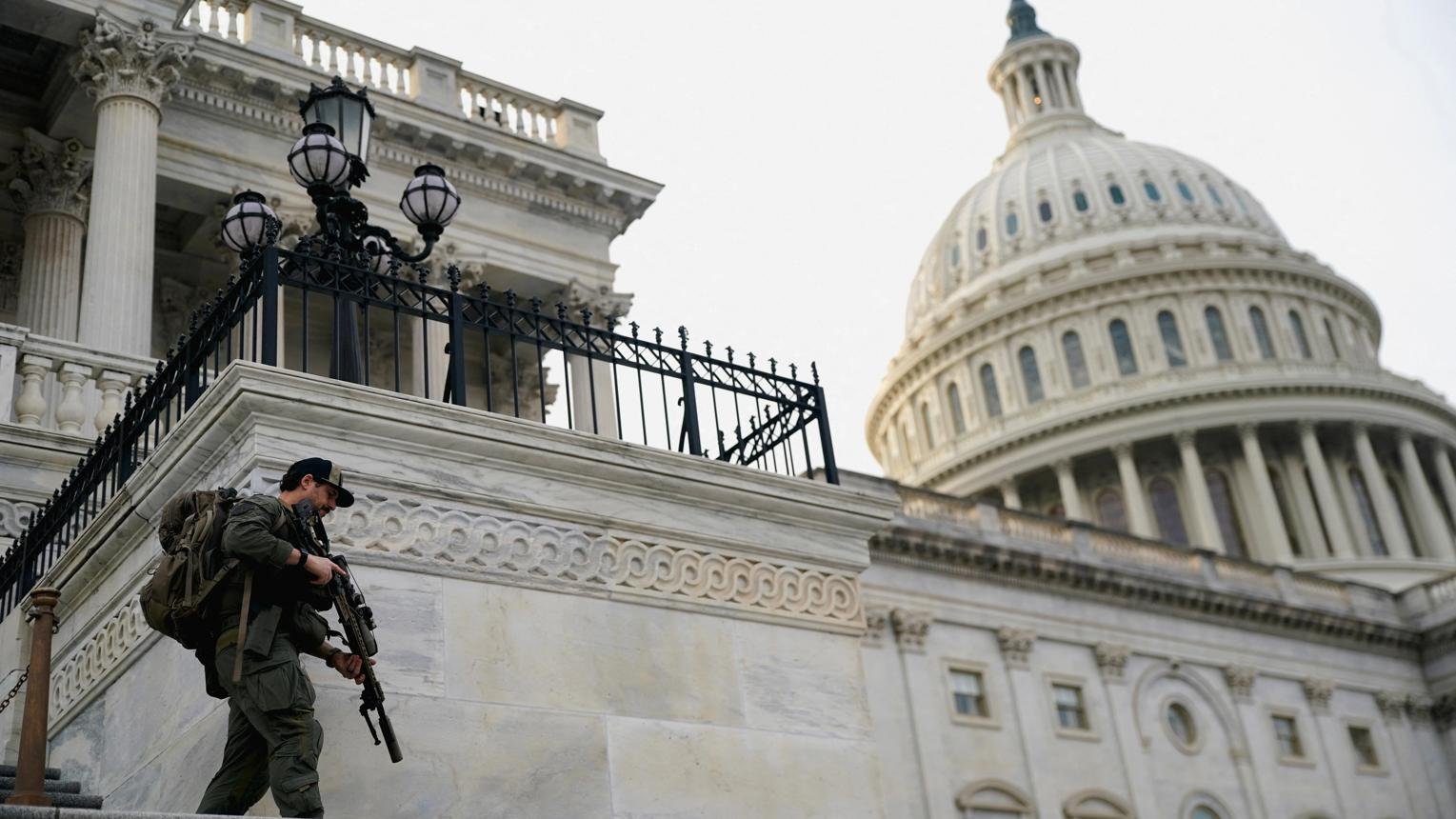

A major US foreign policy controversy erupted after a senior counterterrorism official resigned over the Iran conflict in 2026.
The resignation has intensified debate about military escalation, national security strategy, and diplomatic failures in Washington.
Analysts warn the political fallout could reshape future American foreign policy decisions.
Washington, D.C., United States – May 8, 2026 (Washington Insider Magazine) US foreign policy controversy continues growing across Washington after a top American counterterrorism official resigned in protest over the expanding military conflict involving Iran. The resignation has triggered renewed national debate over military strategy, diplomatic leadership, intelligence coordination, and the long-term direction of American involvement in the Middle East during 2026.
The departure shocked many inside the national security community because senior officials rarely resign publicly during active international conflicts. Analysts say the decision reflects deeper concerns regarding escalating military operations, regional instability, and the possibility of prolonged geopolitical consequences.
The administration continues defending its strategy as necessary for protecting American interests and allied nations. However, critics argue that growing military involvement risks increasing instability across the region while damaging diplomatic relationships abroad.
“The world watches not only military power, but how nations handle internal disagreement during times of crisis,”
said one former diplomatic advisor.
Political experts say the resignation has transformed into a wider US foreign policy controversy, drawing attention from lawmakers, international allies, intelligence agencies, and financial markets.
| Category | Latest Development |
|---|---|
| Event | Senior counterterrorism official resigns |
| Main Issue | Iran conflict and military escalation |
| Location | Washington, D.C. |
| Date | May 8, 2026 |
| Global Impact | Oil markets, diplomacy, security alliances |
| Political Response | Increased debate in Congress |
| Security Concerns | Regional instability and cyber threats |
| International Reaction | Allies urging diplomatic restraint |
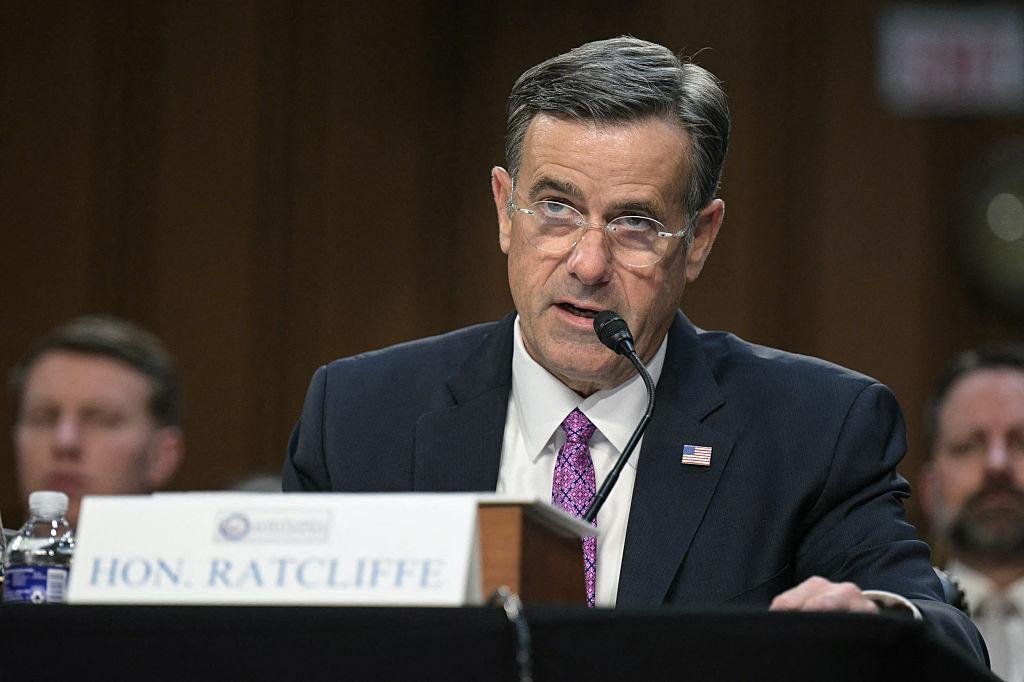
Resignation Raises New National Security Questions
The resignation immediately intensified the broader US foreign policy controversy already surrounding the administration’s handling of the Iran conflict. Sources close to Washington policy circles suggest the official expressed serious concerns regarding the long-term strategic impact of escalating military operations.
Security experts warn that growing instability in the Middle East may increase the risks of cyberattacks, regional proxy conflicts, and retaliatory actions targeting American interests abroad.
Federal officials insist that intelligence and defense operations remain fully operational despite the leadership transition. However, analysts believe such high-profile resignations often indicate deeper institutional disagreements behind closed doors.
“Resignations at this level are rarely symbolic alone. They often reflect broader strategic tensions inside government,”
one former intelligence analyst stated.
The administration maintains that current military actions are intended to deter further aggression while protecting global stability and American personnel stationed overseas.
Washington Faces Mounting Political Pressure
Political pressure inside Washington has intensified rapidly as the US foreign policy controversy dominates headlines across the country. Congressional leaders from both major parties are now demanding additional intelligence briefings and clearer explanations regarding future military objectives.
Some lawmakers argue the United States must maintain a strong deterrence posture to prevent additional regional threats. Others believe diplomatic efforts should take priority before tensions escalate further.
The issue is expected to become a major topic during upcoming congressional hearings and national political campaigns throughout 2026.
Financial concerns are also contributing to public anxiety. Rising military expenditures, energy market instability, and global economic uncertainty have increased pressure on policymakers to clarify long-term strategic goals.
Public polling indicates Americans remain divided regarding the direction of the conflict and the broader implications for U.S. foreign policy.
Middle East Instability Continues Expanding
The Iran conflict has already impacted global shipping routes, energy prices, military alliances, and diplomatic relationships. The latest US foreign policy controversy now adds another layer of uncertainty to an already fragile geopolitical environment.
International leaders continue urging restraint while encouraging diplomatic negotiations to prevent further escalation. European governments, NATO officials, and regional allies remain closely engaged in ongoing discussions aimed at reducing tensions.
Military analysts warn that prolonged instability could increase security risks throughout the Middle East while affecting international trade and financial markets worldwide.
Several global intelligence agencies continue monitoring cyber threats and extremist activity connected to the growing conflict.
“Modern conflicts extend far beyond traditional battlefields and affect economic stability, diplomacy, and cybersecurity simultaneously,”
a defense strategist explained.

History Of Internal Foreign Policy Disputes In Washington
The current US foreign policy controversy has drawn comparisons to previous periods of internal disagreement during major international conflicts involving the United States. Historians note that national security resignations have historically become symbolic turning points during times of geopolitical uncertainty.
Similar tensions emerged during debates surrounding Vietnam, Iraq, and Afghanistan, where disagreements inside government institutions eventually influenced broader public opinion and policy decisions.
Foreign policy experts say internal dissent can sometimes strengthen democratic accountability by encouraging public debate and strategic reassessment. Others argue visible divisions may weaken international perceptions of American unity during critical moments.
The comparison to earlier historical conflicts is now becoming part of the national discussion surrounding the administration’s current strategy toward Iran.
Intelligence Community Closely Monitoring Developments
The American intelligence community remains focused on monitoring regional threats, cyber operations, and potential retaliatory activity connected to the Iran conflict. The growing US foreign policy controversy has increased scrutiny regarding intelligence coordination and national security planning.
Experts believe leadership transitions during periods of geopolitical instability can create temporary operational challenges, although agencies typically maintain continuity systems to prevent disruptions.
Security officials continue emphasizing that protecting American personnel and allied interests remains the highest priority.
At the same time, diplomatic analysts argue that intelligence operations alone cannot resolve broader geopolitical tensions without parallel diplomatic engagement.
The balance between military pressure and diplomatic negotiation now sits at the center of the national debate.
International Markets React To Rising Tensions
Global financial markets responded cautiously following reports of the resignation and the widening US foreign policy controversy. Energy prices experienced volatility as investors evaluated potential risks involving regional oil production and shipping routes.
Defense-related stocks saw mixed trading activity while broader markets reflected growing investor uncertainty about geopolitical stability.
Economic analysts say continued escalation in the Middle East could impact inflation, transportation costs, international trade, and energy supplies over the coming months.
Financial institutions are closely monitoring diplomatic developments and military activity for signs of either stabilization or further confrontation.
The economic consequences of prolonged geopolitical instability remain a major concern for governments and businesses worldwide.
Public Debate Intensifies Across Social Media
Social media platforms and political commentators have amplified discussion surrounding the US foreign policy controversy, making it one of the most discussed geopolitical stories of the week.
Some Americans view the resignation as a courageous protest against military escalation, while others argue national security officials should maintain unity during international conflicts.
News coverage has focused heavily on whether the resignation reflects isolated disagreement or broader dissatisfaction inside national security agencies.
Political strategists believe the controversy may significantly influence public trust regarding foreign policy leadership and future military decisions.
The debate also reflects broader public concerns involving war fatigue, government transparency, and economic priorities.
Future Of American Foreign Policy Remains Unclear
The long-term impact of the resignation and the ongoing US foreign policy controversy remains uncertain. Analysts believe future developments may depend heavily on diplomatic negotiations, congressional oversight, military strategy adjustments, and international cooperation.
Some experts predict increasing pressure for renewed diplomatic engagement with regional powers. Others believe continued military deterrence will remain central to American strategy.
The resignation has unquestionably intensified scrutiny surrounding Washington’s handling of the conflict and may influence future foreign policy decisions well beyond 2026.
Global leaders, intelligence agencies, and financial institutions continue watching closely as the situation develops.
The resignation of a senior counterterrorism official has transformed into a major US foreign policy controversy, intensifying political debate, global concern, and scrutiny over America’s military strategy toward Iran. As Washington faces mounting questions about diplomacy, intelligence coordination, and long-term regional stability, the situation may become one of the defining geopolitical moments of 2026.
International leaders, investors, and security agencies now remain focused on whether diplomatic solutions or further escalation will shape the next phase of the conflict.