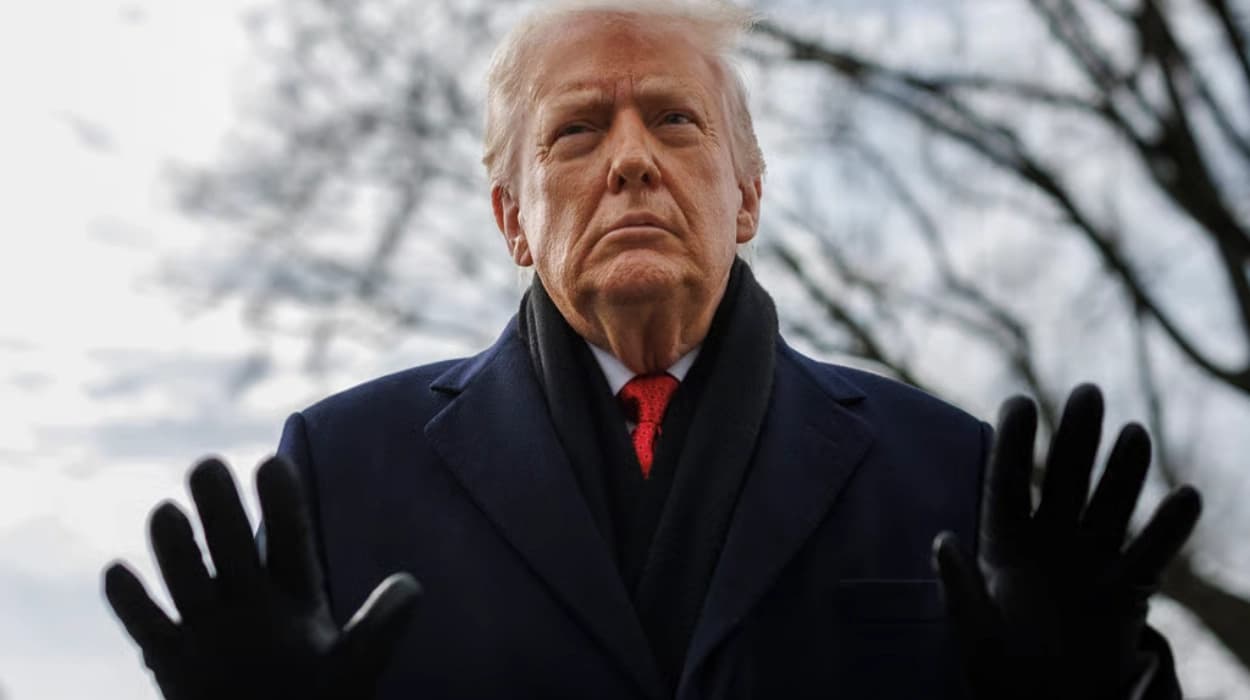
Davos (Washington Insider Magazines) January 20, 2026 - European leaders at the World Economic Forum in Davos voiced sharp criticisms of President Donald Trump's foreign policies, focusing on NATO funding demands, trade tariffs, and renewed proposals to purchase Greenland from Denmark. Danish Prime Minister Mette Frederiksen rejected the Greenland overture as an attack on sovereignty, while German Chancellor Olaf Scholz and French President Emmanuel Macron urged stronger European defence autonomy. The exchanges underscored transatlantic divisions as Trump's second term emphasises America First priorities ahead of key bilateral negotiations.
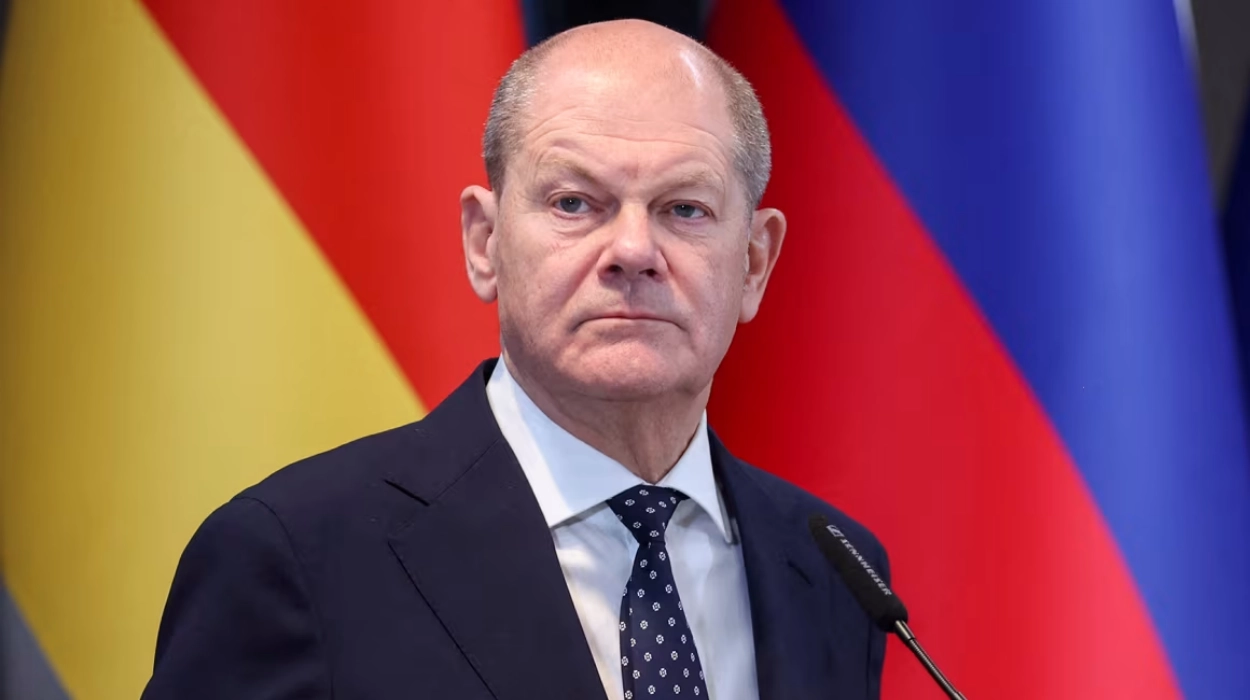
European heads of state utilised the Davos platform to address Trump's policy directions systematically during plenary sessions and bilateral meetings. German Chancellor Olaf Scholz highlighted Germany's compliance with NATO's two percent GDP defence spending target for 2025, committing to additional investments without external pressure. French President Emmanuel Macron called for enhanced EU strategic autonomy in response to perceived US unreliability within the alliance.
UK Prime Minister Keir Starmer affirmed continuity in the special relationship despite emerging frictions over trade and security. Italian Prime Minister Giorgia Meloni acknowledged personal rapport with Trump while stressing NATO's indivisibility. These positions emerged from verified statements reported across major news organisations covering the forum.
European leaders davos plenary trump nato criticisms
Credit: Borut Zivulovic/Reuters
During the opening plenary, German Chancellor Olaf Scholz responded to Trump's demand for European allies to increase NATO contributions to five percent of GDP. Scholz confirmed Germany's 2025 defence budget met existing targets and outlined plans for further procurement of air defence systems and submarines. French President Emmanuel Macron advocated European nuclear sharing arrangements as a hedge against alliance uncertainties.
UK Prime Minister Keir Starmer addressed the special relationship status amid policy divergences. Media coverage documented Starmer's emphasis on post-Brexit trade negotiations continuing despite Trump's universal tariff proposals. Italian Prime Minister Giorgia Meloni positioned Italy as a bridge between US and EU priorities during her intervention.
Jon Gaunt raised concerns about transatlantic relations. Jon Gaunt said in X post,
"LIVE 6PM TRUMP vs STARMER Is the special relationship finished? China, Chagos, Greenland & Davos — lines are being crossed. Join the debate LIVE tonight."
🚨 LIVE 6PM 🚨
— Jon Gaunt (@jongaunt) January 20, 2026
TRUMP vs STARMER
Is the special relationship finished?
China, Chagos, Greenland & Davos — lines are being crossed.
👉 Join the debate LIVE tonight. pic.twitter.com/KQdrDYJyYK
Greenland sovereignty dispute trump purchase renewal
Credit: AP/2026
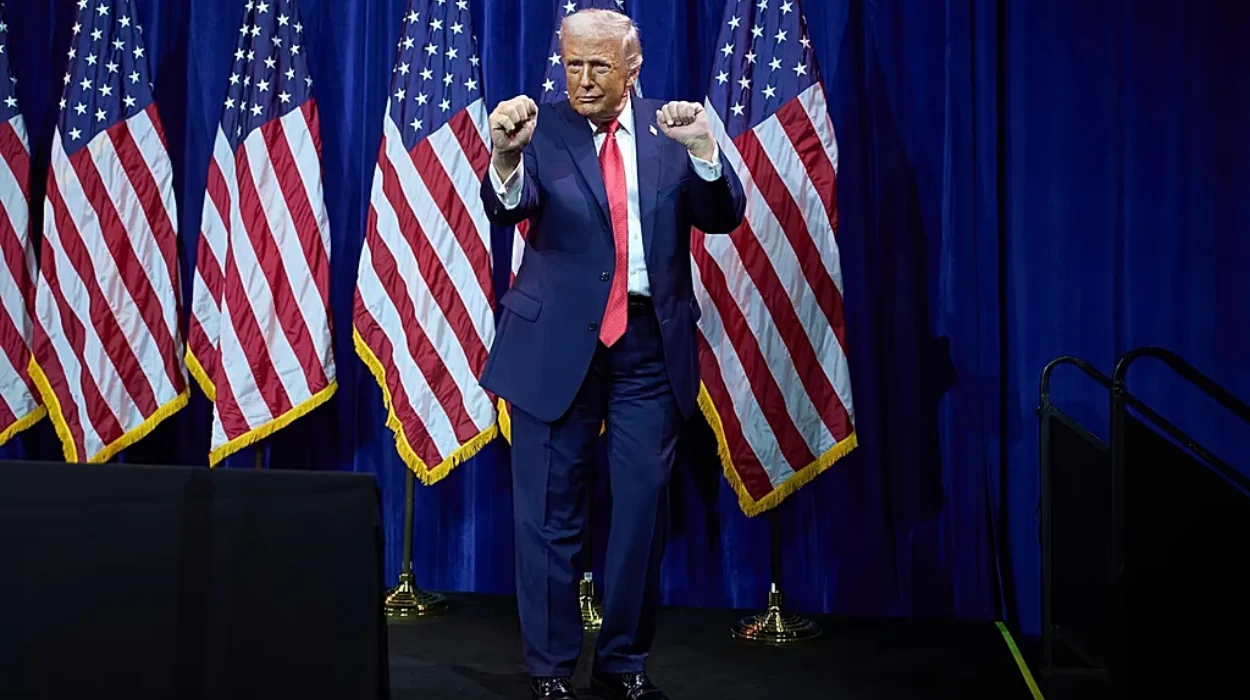
President Trump reiterated interest in acquiring Greenland during his January 20 inauguration address, describing the territory as essential for US national security in the Arctic. Danish Prime Minister Mette Frederiksen issued an immediate rebuttal, stating Greenland belongs to the Greenlandic people and constitutes no commercial transaction. Frederiksen reaffirmed Denmark's commitment to self-determination principles under international law.
Norwegian Foreign Minister Espen Barth Eide expressed full support for Denmark's position, citing longstanding Nordic cooperation on Arctic matters. Canadian Prime Minister Justin Trudeau highlighted implications for circumpolar stability, calling for multilateral approaches through the Arctic Council. Greenland Premier Múte B. Egede rejected external claims, prioritising indigenous governance and resource management rights.
Nato burden sharing negotiations five percent demands
Credit: AP Photo/Carolyn Kaster
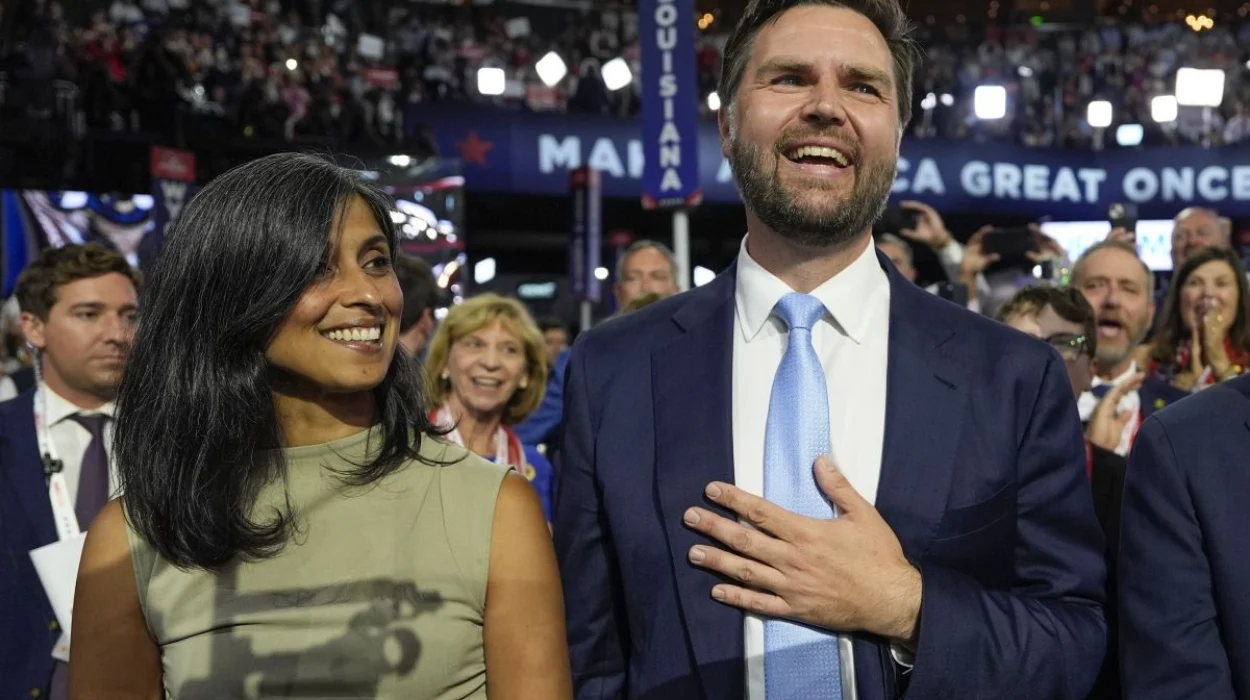
US Vice President JD Vance detailed enforcement mechanisms for higher European defence contributions during Davos bilaterals. Vance specified verification processes including on-site audits of national budgets and military inventories. European Council President Charles Michel proposed alternative capability-based targets focusing on deployable brigades and munitions stockpiles.
Polish President Andrzej Duda aligned with US expectations, citing immediate Russian threats along NATO's eastern flank. Leaders from Lithuania, Latvia, and Estonia committed additional funding for forward-deployed battlegroups. NATO Secretary General Mark Rutte facilitated discussions emphasising collective defence Article 5 credibility.
Trade tariffs retaliation measures economic impact projections
Commerce Secretary Howard Lutnick confirmed 20 percent universal import duties implementation within 90 days of inauguration. European Commission President Ursula von der Leyen activated proportionality-based countermeasures targeting US agricultural exports and digital services. Von der Leyen referenced 2025 EU trade surplus figures justifying defensive actions.
UK Trade Secretary Jonathan Reynolds secured preliminary exemptions for financial services during technical talks. French Economy Minister Olivier Véran calculated luxury goods sector exposure exceeding €15 billion annually under reciprocal levies. German Economy Minister Robert Habeck forecasted automotive supply chain disruptions costing €50 billion yearly.
Pedro L. Gonzalez offered perspective on Greenland motivations. Pedro L. Gonzalez said in X post,
"The problem Europeans are going to have with trying to ease tensions over Greenland with the Trump administration by pledging to beef up allied presence in the region is that it's not actually about countering China or Russia. Europeans want to come to the table assuming that Trump is thinking in serious if deranged geostrategic terms. But he isn't. It's about getting a 'win' for his ego after failing to deliver domestically across the board, and for the tech people that have allied himself with him, it's about plundering Greenland and turning it into their playground."
The problem Europeans are going to have with trying to ease tensions over Greenland with the Trump administration by pledging to beef up allied presence in the region is that it’s not actually about countering China or Russia. Europeans want to come to the table assuming that… https://t.co/bWgEbSnmeX
— Pedro L. Gonzalez (@emeriticus) January 11, 2026
Ukraine military assistance european commitments 2026
Trump envoy Keith Kellogg presented a 30-day ceasefire proposal excluding permanent security guarantees for Kyiv. Ukrainian President Volodymyr Zelenskyy dismissed the framework absent Russian territorial withdrawals. European leaders announced a €100 billion 2026 military aid package during a joint Davos declaration.
Polish Prime Minister Donald Tusk coordinated trilateral commitments with Baltic states for additional Leopard 2 tank deliveries. French Foreign Minister Jean-Noël Barrot confirmed Mirage 2000 fighter jet transfers scheduled for Q2 2026. German Defence Minister Boris Pistorius authorised doubled production of IRIS-T air defence systems.
Middle east policy realignments settlement expansions
US Middle East Envoy Steve Witkoff confirmed plans recognising additional West Bank settlements under new administration guidelines. Saudi Crown Prince Mohammed bin Salman linked normalisation prospects to concrete Palestinian statehood pathways. EU High Representative Kaja Kallas reaffirmed adherence to two-state solution parameters established in Oslo Accords.
Qatari Prime Minister Sheikh Mohammed bin Abdulrahman Al Thani advanced ceasefire extensions incorporating phased hostage releases. Jordanian King Abdullah II emphasised Gaza reconstruction timelines preventing radicalisation resurgence. Egyptian Foreign Minister Badr Abdelatty verified Rafah crossing operations resuming under UN monitoring.
US National Security Adviser Mike Waltz expanded semiconductor export controls targeting Huawei's 5G equipment globally. European Commission Executive Vice President Margrethe Vestager promoted supply chain diversification reducing single-country dependencies. Vestager confirmed ASML's increased production of extreme ultraviolet lithography machines.
UK Technology Secretary Peter Kyle allocated £5 billion for domestic semiconductor foundries in Wales. French President Macron launched €10 billion AI supercomputing initiative in Paris. German Chancellor Scholz advanced Intel's Magdeburg fabrication plant construction despite reported cost increases.
Energy independence strategies lng contract extensions
US Energy Secretary Chris Wright targeted 50 percent European LNG market penetration by 2028 through expanded export terminals. Norwegian Prime Minister Jonas Gahr Støre approved Troll gas field expansion adding 20 billion cubic metres annual capacity. Qatari Energy Minister Saad bin Sherida Al Kaabi signed 27-year LNG supply agreements with German utilities.
UK North Sea Transition Authority greenlit Rosebank oil field development yielding 300 million barrels. Dutch Prime Minister Dick Schoof authorised Groningen field's partial reopening producing 10 billion cubic metres yearly. Polish President Duda commissioned Baltic Pipe Phase II doubling throughput capacity to 18 billion cubic metres.
Migration control measures eu external processing centres
Homeland Security Secretary Kristi Noem proposed adopting EU external asylum processing centre models for US southern border. Italian Prime Minister Giorgia Meloni expanded Tunisia border patrol training under existing memorandums. Greek Prime Minister Kyriakos Mitsotakis extended Evros River frontier wall blocking 90 percent irregular crossings.
Danish Immigration Minister Mattias Tesfaye operationalised Rwanda-style deportation processing 5,000 claims monthly. Austrian Chancellor Christian Stocker reinstated temporary border controls intercepting 80 percent undocumented entries. Hungarian Prime Minister Viktor Orbán convened Visegrád Group summit standardising migrant pushback procedures.
Cyber defence partnerships russian threat mitigation
US Cybersecurity Director Harry Coker scheduled joint exercises countering Russian hybrid operations. Estonian Prime Minister Kaja Kallas hosted Tallinn summit launching real-time intelligence sharing platform. Finnish President Alexander Stubb deployed quantum encryption protecting national 5G infrastructure.
Dutch Defence Minister Ruben Brekelmans activated NATO cyber range training 2,000 specialists annually. Polish Digital Minister Krzysztof Gawkowski mandated 24-hour cybersecurity breach notifications. Swedish Prime Minister Ulf Kristersson integrated AI-driven threat detection across government systems.
Arctic security cooperation indigenous governance priorities
US Arctic Envoy Jane Demmert maintained observer participation emphasising Alaska Native interests. Greenland Premier Múte B. Egede convened Nuuk summit incorporating Inuit Circumpolar Council recommendations. Norwegian Foreign Minister Huitfeldt funded icebreaker fleet modernisation delivering four vessels by 2030.
Canadian Defence Minister Bill Blair conducted Operation Nanook deploying CCGS Diefenbaker polar icebreaker. Danish Defence Minister Troels Lund Poulsen upgraded Knud Rasmussen-class patrol ships. Finnish Arctic Command established permanent Sodankylä radar station monitoring regional activities.
Davos investment commitments sustainable infrastructure pledges
Swiss President Karin Keller-Sutter witnessed $3 trillion sustainable infrastructure pledges during opening ceremony. UAE President Mohamed bin Zayed launched $100 billion climate resilience fund for vulnerable countries. Saudi Public Investment Fund committed $50 billion to European green hydrogen co-development projects.
Qatar Investment Authority invested $30 billion in EU digital infrastructure equity positions. Norwegian Sovereign Wealth Fund reallocated $15 billion from fossil fuels to renewables expansion. Singapore Prime Minister Lawrence Wong initiated ASEAN-EU connectivity corridor financing $200 billion rail networks.