
Key Points
- 139
employees of a US environmental agency have been placed on leave following
their public criticism of policies enacted during Donald Trump’s
presidency. - The
action has sparked widespread debate over free speech,
whistleblower protections, and the politicization of federal agencies. - The
agency has not publicly identified the employees or provided detailed
reasons for the disciplinary action. - Employee
advocates and unions have condemned the move, calling it retaliation
and a threat to government transparency. - The
Trump administration’s environmental policies have long been contentious,
with rollbacks on climate regulations and changes to agency leadership. - No
official statement from Donald Trump or his representatives has
been released regarding this specific incident. - The
story has drawn national attention, with coverage by major outlets
including CBS News and Democracy Now!, highlighting concerns about the
precedent set for future administrations.
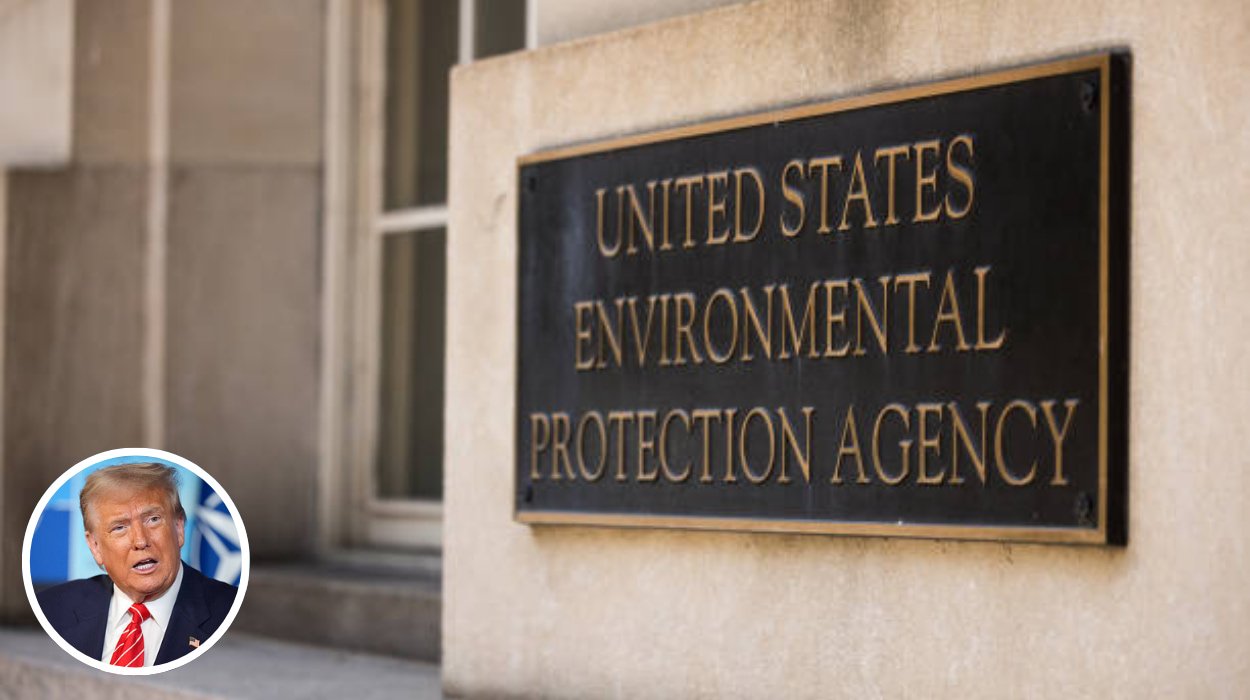
The US environmental agency’s decision to place 139
employees on administrative leave after they criticized Trump-era policies has
ignited a national conversation about free speech, government accountability,
and the boundaries of political influence within federal agencies. The move,
which has not been accompanied by detailed public explanation from agency
leadership, is being widely interpreted as a response to internal dissent over
the direction of environmental policy during Donald Trump’s presidency.
Why Were 139 Environmental Agency Employees Placed on Leave?
As reported by CBS News, the agency’s action came after a
group of employees publicly criticized the environmental policies implemented
during Donald Trump’s administration. These criticisms reportedly included
concerns over the rollback of climate regulations, changes to scientific
advisory boards, and the perceived suppression of research on climate change
and pollution. While the agency has not officially released the names of
the affected employees or the specific content of their criticisms, sources within
the agency suggest that the comments were made through internal memos, public
forums, and, in some cases, media interviews.
According to Democracy Now!, the employees’ statements were
largely focused on what they described as the “politicization of science” and
the undermining of longstanding environmental protections. The agency’s
leadership, however, has maintained that the decision to place the employees on
leave was based on violations of internal conduct policies, not the content of
their speech.
How Have Employee Advocates and Unions Responded?
Employee unions and government watchdog organizations have
strongly condemned the agency’s action. As reported by Democracy Now!, union
representatives argue that the disciplinary measures amount to retaliation
against whistleblowers and set a dangerous precedent for the suppression of
dissent within government agencies. One union official, speaking
anonymously due to fear of reprisal, stated that:
“This is a clear attempt to
silence those who would speak out against political interference in science and
policy.”
Advocacy groups have called for congressional investigations
and greater protections for federal employees who raise concerns about agency
conduct. They argue that the ability of civil servants to speak out on matters
of public interest is essential for government transparency and accountability.
How are lawmakers and the public responding?
The suspension of 139 employees has drawn sharp reactions
from lawmakers across the political spectrum. Some members of Congress have
called for immediate hearings to investigate the agency’s actions and to review
existing whistleblower protections. Others have defended the agency’s right to
enforce internal conduct policies, arguing that public criticism by government
employees can undermine the effective functioning of federal agencies.
Public reaction has been similarly divided. Environmental
advocates and many members of the scientific community have expressed alarm,
warning that the move could have a chilling effect on the willingness of
government scientists and regulators to speak out on controversial issues.
Supporters of the Trump administration’s policies, however, argue that the
agency is within its rights to discipline employees who violate internal
protocols.
What Is the Context of Trump’s Environmental Policies?
During his presidency, Donald Trump pursued a series of
high-profile rollbacks of environmental regulations, including the weakening of
the Clean Power Plan, withdrawal from the Paris Climate Agreement, and
significant changes to the leadership and structure of key environmental
agencies. These moves were frequently criticized by environmentalists and
scientists, who argued that they prioritized industry interests over public
health and environmental protection.
As noted by CBS News, the Trump administration’s approach to
environmental policy was marked by frequent clashes with career agency staff
and scientific advisors. Many employees reportedly felt sidelined or
pressured to downplay scientific findings that conflicted with the
administration’s priorities.
Are there protections for federal employees who criticize
policy?
Federal law provides certain protections for whistleblowers
and employees who report misconduct or raise concerns about agency actions.
However, the boundaries of these protections are often contested, especially
when it comes to public criticism of official policy. Legal experts interviewed
by Democracy Now! have noted that the agency’s actions could face legal
challenges if it is determined that the employees were engaged in protected
speech or whistleblowing activities.
Ethically, the case raises questions about the balance
between agency discipline and the need for open debate within government
institutions. Many observers argue that robust internal debate and the ability
to raise concerns without fear of reprisal are essential for effective
governance and public trust.
What Happens Next for the Suspended Employees?
The agency has indicated that the employees have been placed
on administrative leave pending further review. According to CBS News, affected
staff members may have the opportunity to appeal the decision or seek
reinstatement through internal grievance procedures or legal action. Employee
advocates are urging those on leave to seek legal counsel and to document any
instances of perceived retaliation or unfair treatment.
Has There Been Any Official Response from Donald Trump or
His Representatives?
As of the time of reporting, neither Donald Trump nor his
official representatives have issued a statement regarding the suspension of
the 139 agency employees. The lack of comment has fueled speculation about the
extent to which the move was coordinated with or influenced by political
figures associated with the former administration.
How Might This Incident Affect Future Environmental Policy?
Observers warn that the agency’s action could have lasting
implications for the relationship between political leadership and career civil
servants. If upheld, the suspensions may embolden future administrations to
take similar steps against internal dissent, potentially undermining the
independence of federal agencies and the integrity of scientific research.
Environmental groups and some lawmakers are calling for
legislative reforms to strengthen whistleblower protections and to ensure that
government scientists and regulators can speak freely about matters of public
concern.