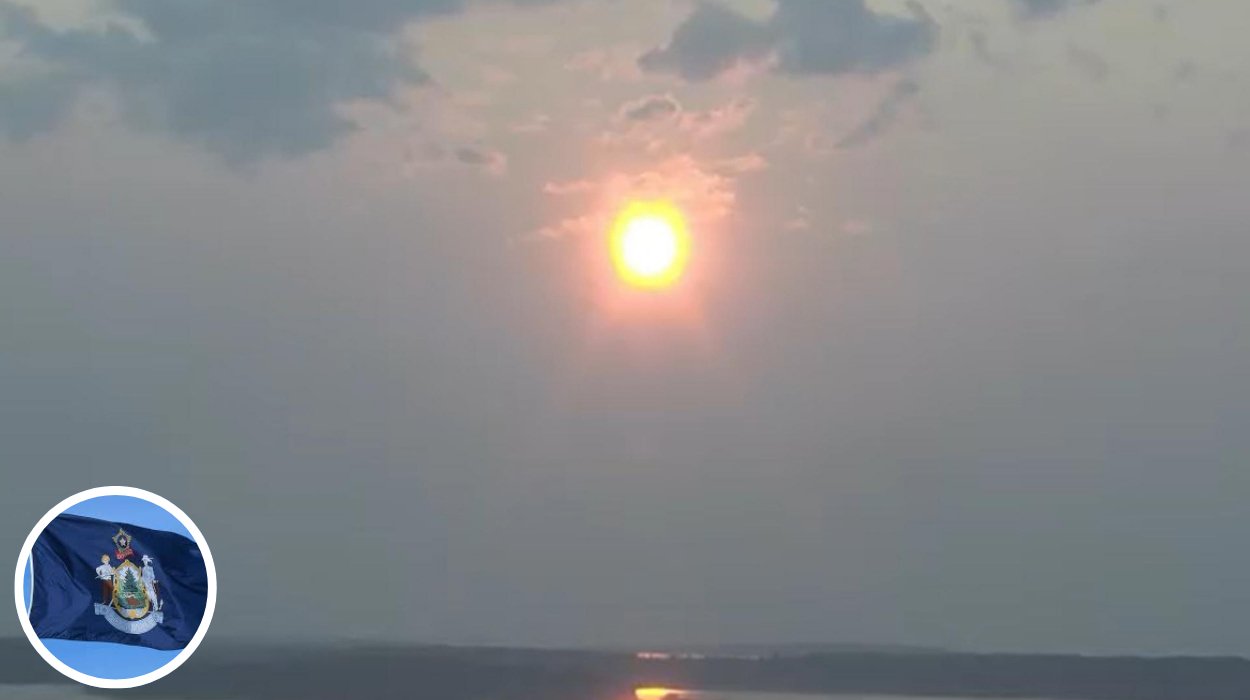

Summary
- Canadian
wildfires caused smoky air in Maine, making it unhealthy. - Maine’s
air quality is harmful to sensitive groups like kids and elderly. - Officials
advised people to avoid outdoor activities during high smoke. - Health
experts warn especially those with lung or heart issues. - Wildfire
smoke events are rising due to climate change. - This
summer saw numerous wildfires across Canada and the U.S. - Agencies
monitor air quality and inform the public continuously.
The smoky conditions affecting Maine are part of a
widespread wildfire crisis in Canada that continues to challenge air safety and
public health. Residents are urged to stay informed on air quality updates and
follow official guidance to protect themselves, especially vulnerable groups
most at risk from smoke exposure. This situation highlights how environmental
changes and increasing wildfires have far-reaching impacts across borders.
What caused the air quality in Maine to become unhealthy?
As reported by multiple environmental and weather news
sources, ongoing wildfires in Canada during the summer of 2025 have generated
substantial smoke that has drifted southward into the northeastern United States, specifically affecting the state of Maine. This influx of wildfire
smoke has caused Maine’s air quality index (AQI) to rise to levels categorized
as “unhealthy” for sensitive groups including children, seniors, and
individuals with preexisting respiratory or heart conditions.
The smoke contains fine particulate matter (PM2.5), which
can penetrate deep into the lungs and bloodstream, posing health hazards.
Officials from Maine’s Department of Environmental Protection and health
experts have warned residents to take precautions such as avoiding prolonged
outdoor exertion and staying indoors with windows closed when possible to
minimize exposure.
How have officials responded to the deteriorating air
quality in Maine?
Maine state authorities, in coordination with local health
departments, have issued air quality advisories urging caution, particularly
for vulnerable populations. Schools and outdoor programs have been advised to
limit outdoor activities like recess and sports during peak smoke periods. The
Department of Environmental Protection continues to conduct real-time
monitoring of air quality at various locations across the state to inform
timely updates and safety guidance.
According to statements from officials quoted by
environmental news platforms, emergency preparedness agencies emphasize that
although short-term exposures to the smoke are concerning, those with
respiratory illnesses such as asthma or chronic obstructive pulmonary disease
(COPD) need to take particular care. Use of air purifiers and masks, if
accessible, are recommended to reduce risk.
What broader environmental context surrounds this
wildfire smoke event?
The smoke impacting Maine is a manifestation of a severe
wildfire season in Canada largely attributed to extended dry spells, high
temperatures, and changing climate conditions. Canadian Forestry Service data
indicates that 2025 has seen one of the most intense wildfire seasons in recent
memory, with thousands of acres burned across multiple provinces.
Experts cited by climate and environmental news analysis
reports connect the growing frequency and intensity of wildfires to climate
change, which increases the likelihood of droughts and heatwaves that
exacerbate forest fire risks. The news organization UN News emphasized the
global implications of these environmental trends, noting that increased
wildfires contribute further to air pollution and greenhouse gas emissions.
What health risks does wildfire smoke pose, and who is
most vulnerable?
Health authorities and medical experts explained in reports
by public health journalists that wildfire smoke exposure can cause immediate
and long-term effects. Short-term effects include coughing, throat irritation,
chest tightness, and reduced lung function. Long-term or repeated exposures may
aggravate chronic respiratory and cardiovascular diseases.
Children, older adults, pregnant women, and people with
preexisting health conditions are at increased risk of smoke-related health
problems. This has prompted warnings from health officials to take proactive
measures during smoke events, including limiting outdoor exercise and seeking
medical advice if symptoms worsen.
Are there any state or federal initiatives to address
this wildfire and air quality crisis?
Various government agencies, both state-level and federal,
have been involved in wildfire management and public health responses. In the
U.S., the Environmental Protection Agency (EPA) and Centers for Disease Control
and Prevention (CDC) provide guidelines on managing air quality during wildfire
events. State emergency operations centers coordinate with federal bodies and
Canadian partners to track wildfire developments and communicate risks to the
public.
Local governments in Maine are also working closely with
environmental experts to assess damage and devise strategies to mitigate such
events in the future. Initiatives include increased funding for wildfire
prevention, community preparedness programs, and enhancing air quality
monitoring networks.
What is the outlook for Maine’s air quality and wildfire
activity going forward?
Meteorologists and wildfire experts caution that as the
summer progresses, shifts in weather patterns could either alleviate or further
exacerbate smoke conditions. Rainfall could help clear air pollution, but winds
also have the potential to carry smoke over long distances.
Wildfire managers continue containment efforts in Canada
with hopes of reducing ongoing fires. Nonetheless, the possibility of new
ignitions remains given the dry conditions. Continuous air quality surveillance
and public awareness will be key components in managing health risks.
Why is understanding the impact of Canadian wildfires
important to residents in Maine and beyond?
The recent episode underscores the interconnectedness of
ecosystems and weather events across borders. It illustrates how wildfires,
while often originating far from population centers, can have significant
cross-border health and environmental consequences. This awareness is crucial
for emergency preparedness, public health planning, and emphasizes the pressing
need to address climate change drivers to prevent worsening wildfire seasons. Environmental journalists and climate scientists urge
sustained attention and coordinated international efforts to reduce wildfire
risks and protect public health.