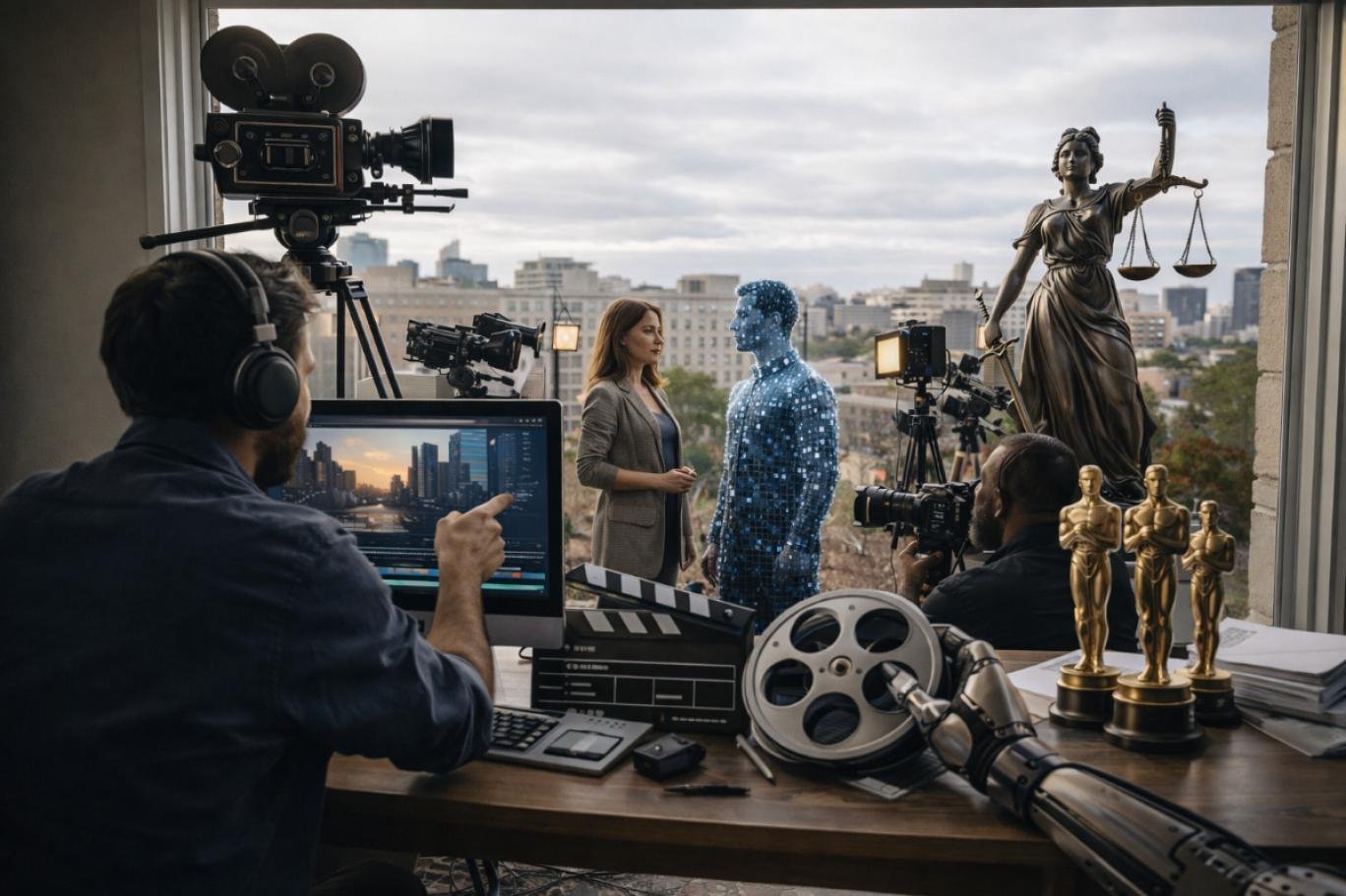

CANNES, France – May 15, 2026 (Washington Insider Magazine) AI movie production became one of the most discussed topics at the Cannes Film Festival 2026 as filmmakers, producers, streaming executives, and technology developers acknowledged the growing influence of artificial intelligence on the future of cinema. While concerns about artistic integrity and job displacement remain strong, many industry professionals now believe artificial intelligence is becoming unavoidable in modern filmmaking.
The global entertainment industry has spent the past several years debating whether AI tools should be embraced or restricted. At Cannes this year, however, the tone noticeably shifted toward cautious acceptance. Instead of outright resistance, many filmmakers discussed how artificial intelligence could support creative work while still allowing human storytellers to remain in control of artistic direction.
Industry analysts attending the festival described this year’s discussions as a major turning point for cinema and digital production.
“The future of filmmaking will belong to creators who understand both storytelling and technology,”
one European producer said during a Cannes panel discussion.
The conversation surrounding AI movie production reflects broader changes happening across Hollywood, streaming platforms, and international film markets as studios search for new ways to reduce costs and increase efficiency.
Data Snapshot
| Category | 2026 Industry Estimate |
|---|---|
| Global AI Entertainment Market | $32 Billion |
| AI Adoption by Film Studios | 61% |
| Streaming Platforms Using AI Analytics | 85% |
| Estimated AI Editing Cost Savings | 30% |
| Independent Creators Using AI Tools | Rapidly Increasing |
| Cannes 2026 AI Panels Held | More Than 20 |
Cannes 2026 Shows Major Shift in Filmmaker Attitudes
For years, many filmmakers openly criticized the use of artificial intelligence in creative industries. Directors and screenwriters warned that excessive automation could weaken originality and reduce opportunities for human artists. This year’s Cannes Film Festival demonstrated a more nuanced conversation.
Many industry professionals now view AI movie production as a technological evolution similar to the transition from film reels to digital cameras decades ago. Artificial intelligence tools are increasingly being used for editing assistance, visual effects rendering, script analysis, subtitle translation, dubbing, and production scheduling.
Several independent filmmakers attending Cannes admitted that AI technology could help smaller studios compete against major Hollywood productions with limited budgets.
The growing pressure to cut production expenses is also accelerating the adoption of AI systems across the entertainment sector.
Hollywood Studios Quietly Expand AI Investments
Behind the scenes, major entertainment companies are rapidly increasing investments in artificial intelligence technologies. Industry executives at Cannes suggested that several studios are already testing advanced AI systems capable of analyzing audience behavior, predicting box office performance, and optimizing marketing strategies.
Streaming companies are also relying heavily on machine learning to determine viewer preferences and recommend content.
The rise of AI movie production is not limited to large corporations. Independent creators, documentary filmmakers, and digital content producers are increasingly using affordable AI-powered software to improve editing quality and streamline workflows.
Some analysts believe artificial intelligence may eventually become as essential to filmmaking as computer-generated imagery became during the early 2000s.
“AI is not replacing filmmakers tomorrow,”
one media analyst stated during a festival interview.
“But filmmakers who ignore AI may struggle to compete in the future.”

Ethical Concerns Continue to Divide the Industry
Despite growing acceptance, concerns about artificial intelligence remain deeply controversial throughout the film industry. Writers, actors, and visual artists continue demanding stronger protections against unauthorized AI-generated content.
One of the largest concerns involves copyrighted material being used to train artificial intelligence systems without direct permission from creators. Labor unions representing actors and screenwriters are pushing for regulations that protect creative ownership and prevent digital exploitation.
Several Cannes discussions focused on deepfake technology and the possibility of digitally recreating actors without their consent.
Critics argue that excessive automation could damage the emotional authenticity that audiences expect from cinema.
“Technology should support human creativity, not replace human imagination,”
one award-winning director said during a Cannes forum discussion.
These debates are expected to intensify as AI systems become more sophisticated in coming years.
Independent Filmmakers See New Opportunities
While some creators fear job displacement, others believe AI movie production could democratize filmmaking by lowering barriers to entry.
Independent filmmakers often struggle with expensive editing software, visual effects production, and translation costs. Artificial intelligence tools can significantly reduce expenses while helping smaller studios produce professional-quality content.
At Cannes 2026, multiple technology startups demonstrated AI-powered systems capable of generating subtitles, improving sound quality, accelerating editing workflows, and assisting with multilingual film distribution.
Supporters argue that artificial intelligence could allow talented creators from smaller markets to compete globally without requiring massive studio financing.
However, critics warn that overreliance on automated systems could eventually create repetitive storytelling patterns and reduce artistic originality.
History of Technology Transforming Cinema
The film industry has repeatedly experienced technological revolutions throughout its history. Each generation of filmmakers initially resisted major innovations before eventually adapting to them.
Historical Cycles of Film Industry Technology
| Era | Technology Shift | Industry Reaction |
|---|---|---|
| 1920s | Silent Films to Sound | Fear of Change |
| 1930s | Black-and-White to Color | Cost Concerns |
| 1970s | Computerized Editing | Skepticism |
| 1990s | CGI Expansion | Artistic Debate |
| 2010s | Streaming Platforms | Industry Disruption |
| 2020s | Artificial Intelligence | Ethical and Creative Debate |
Supporters of AI movie production argue that artificial intelligence represents another stage in cinema’s long history of technological adaptation.
Critics counter that AI differs because it directly impacts human creativity rather than simply enhancing production tools.
Global Governments Face Pressure to Regulate AI
Governments worldwide are now facing increased pressure to regulate artificial intelligence in entertainment industries. European officials attending Cannes emphasized the importance of transparency when AI-generated content appears in films or marketing campaigns.
Legal experts believe copyright lawsuits involving AI-generated media will likely increase significantly over the next several years.
Several countries are considering legislation that would require studios to disclose when artificial intelligence is used in production processes.
Industry leaders at Cannes warned that regulation must balance innovation with artistic protections.
Without clear legal frameworks, many creators fear uncertainty could slow investment and create additional industry tensions.
Audience Reactions Remain Mixed
Festival audiences at Cannes appeared divided over the growing use of artificial intelligence in cinema.
Some moviegoers welcomed AI-powered innovation and viewed the technology as a natural evolution of filmmaking. Others expressed concern that emotional storytelling could weaken if studios rely too heavily on automated systems.
Social media discussions surrounding AI movie production reflected these divided opinions. Supporters praised improved efficiency and lower production costs, while critics argued that human creativity should remain at the center of cinematic storytelling.
The entertainment industry now faces the challenge of balancing technological advancement with artistic authenticity.
Future of Cinema May Depend on Human-AI Balance
Industry experts increasingly believe the future of cinema will involve hybrid production models that combine human creativity with artificial intelligence support systems.
Rather than replacing directors, writers, and actors entirely, AI technology may function primarily as an efficiency tool that assists production teams.
Studios are expected to continue cautiously expanding artificial intelligence integration while monitoring audience reactions and regulatory developments.
The long-term success of AI movie production may ultimately depend on whether audiences continue to connect emotionally with films created using advanced technology.