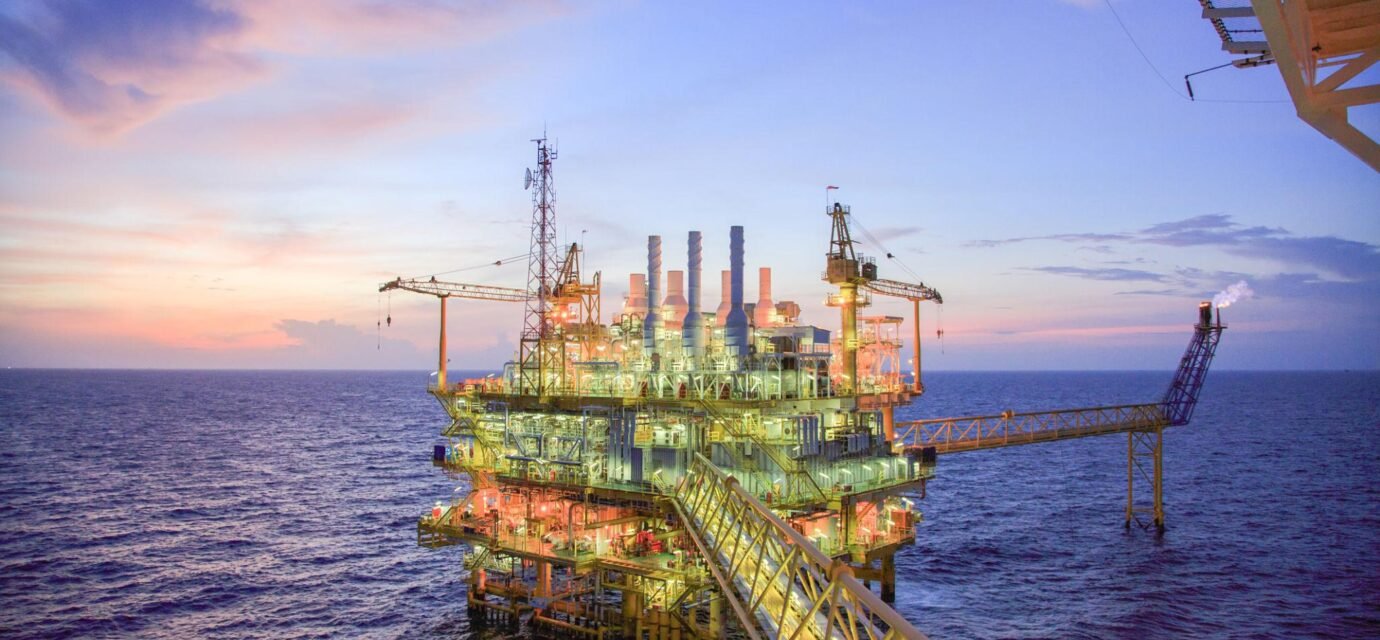

Global Markets, 6 June 2026 (Washington Insider Magazine) Global oil supply risk concerns have returned to the forefront of international markets as geopolitical tensions surrounding the Strait of Hormuz continue to attract attention from governments, energy producers, and investors. The strategic waterway remains one of the world’s most important energy corridors, making any potential disruption a significant issue for the global economy.
Recent comments from energy executives and policymakers have renewed discussions about how countries would respond if shipping traffic through the region were interrupted. While global energy supplies remain stable for now, market participants continue monitoring developments that could affect transportation routes, production levels, and energy prices.
The situation highlights the growing importance of preparedness and diversification in an increasingly uncertain geopolitical environment.
Strait of Hormuz Remains a Critical Energy Route
The Strait of Hormuz serves as a vital link between major oil-producing nations and global consumers.
Every day, large volumes of crude oil and petroleum products pass through the narrow maritime corridor before reaching markets in Asia, Europe, and other regions. Because of its strategic importance, any security concerns involving the waterway immediately draw international attention.
Analysts note that even the possibility of disruptions can influence market sentiment. Traders often react to geopolitical developments by adjusting expectations regarding future supply conditions.
The latest discussions surrounding Global oil supply risk demonstrate how closely energy markets monitor critical transportation routes.
“Energy markets respond not only to disruptions but also to the perception of risk.”
Why Energy Security Matters
Energy security has become a central priority for governments worldwide.
Many countries depend heavily on imported oil to support transportation, manufacturing, agriculture, and industrial activity. Ensuring reliable access to energy supplies is therefore essential for economic growth and national stability.
Over the past decade, governments have invested in strategic reserves, infrastructure improvements, and diversified supply agreements designed to reduce vulnerability to external shocks.
The current Global oil supply risk debate reflects broader concerns about maintaining resilience during periods of geopolitical uncertainty.
China and Other Major Importers Prepare
Large energy-importing nations have spent years developing strategies to strengthen supply security.
China, India, Japan, and South Korea remain among the world’s largest energy consumers. These economies rely on stable access to imported crude oil and natural gas to maintain industrial production and economic growth.
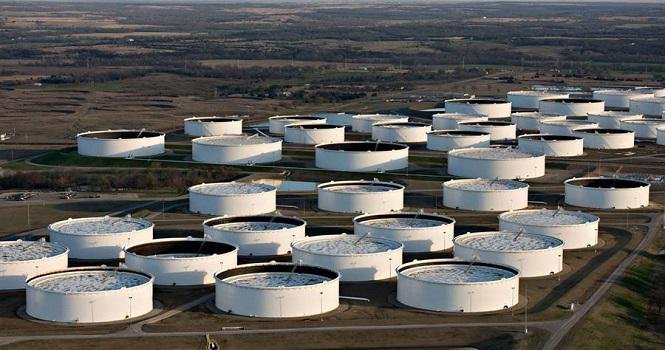
Many have expanded storage facilities and diversified supply sources to improve their ability to manage temporary disruptions. Such measures are intended to provide flexibility during periods of market volatility.
Experts suggest that countries with strong reserves and diversified suppliers are generally better positioned to navigate unexpected challenges.
Impact on Oil Prices and Global Markets
One of the most immediate consequences of rising Global oil supply risk concerns is increased market volatility.
Oil prices often react quickly to geopolitical developments involving major production regions or transportation routes. Investors monitor these events closely because higher energy prices can influence inflation, consumer spending, and business costs.
Financial markets also pay attention to broader economic implications. Rising energy costs can affect industries ranging from transportation and manufacturing to retail and logistics.
Although no major supply interruption has occurred, uncertainty itself remains a powerful market driver.
Shipping Industry Monitors Developments
Global shipping companies continue tracking security conditions in key maritime corridors.
The movement of energy products depends on safe and efficient transportation networks. Any threat to shipping routes can increase insurance costs, alter logistics planning, and affect delivery schedules.
Maritime operators routinely coordinate with governments and security agencies to ensure the safe passage of commercial vessels.
The shipping sector recognizes that maintaining stability along strategic waterways remains critical to supporting global trade and economic growth.
“Reliable transportation routes are essential to the health of the global economy.”
Looking Ahead
The discussion surrounding Global oil supply risk underscores the interconnected nature of modern energy markets. Governments, businesses, and investors continue evaluating potential challenges while strengthening strategies designed to improve resilience.
While global oil supplies remain available and shipping routes continue operating normally, policymakers are taking a proactive approach to risk management. Strategic reserves, diversified supply chains, and international cooperation remain important tools for addressing future uncertainties.
As geopolitical developments continue evolving throughout 2026, energy security is expected to remain a major focus for decision-makers worldwide.