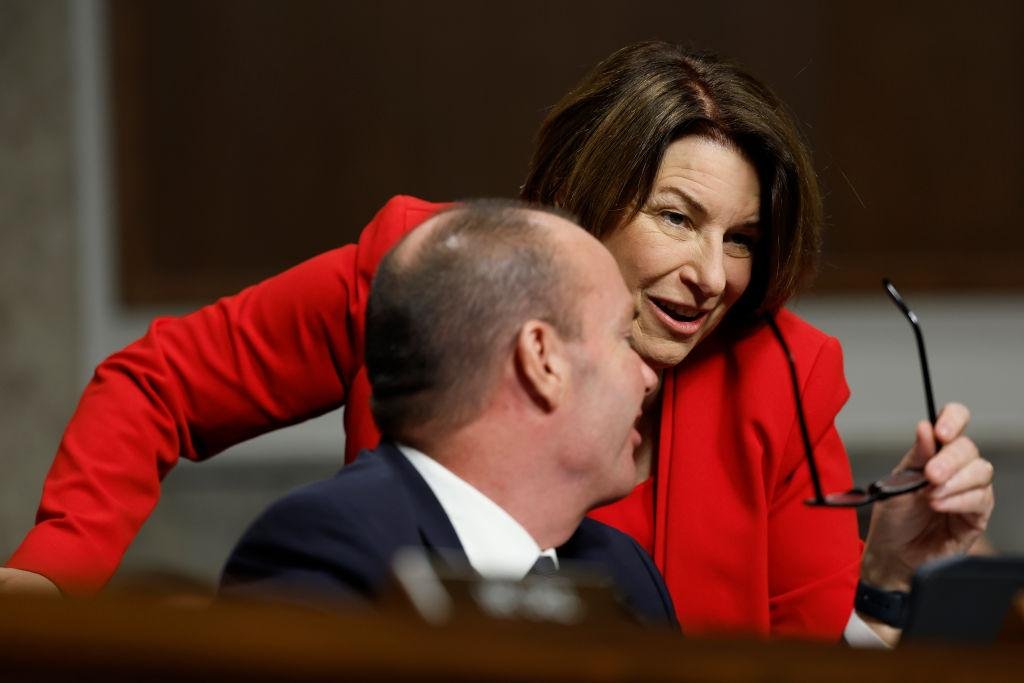

WASHINGTON, D.C. – May 15, 2026 (Washington Insider Magazine) Big Tech investigation efforts intensified in Washington this week as lawmakers prepared for a major congressional hearing involving several of the world’s most influential technology companies. Federal officials are expected to question executives about artificial intelligence, online safety, competition practices, data privacy, and the growing influence of major digital platforms over communication, commerce, and public information.
The upcoming hearing represents another major step in the federal government’s expanding scrutiny of the technology sector. Congressional leaders from both political parties have increasingly expressed concern about the power large technology corporations now hold across multiple industries.
The latest Big Tech investigation arrives as artificial intelligence rapidly transforms global business operations, digital advertising, social media platforms, and online consumer behavior.
“Technology companies now influence nearly every part of modern life,”
one congressional adviser said ahead of the hearing.
“Lawmakers believe oversight discussions can no longer be delayed.”
The hearing is expected to become one of the most closely watched political and economic events involving Silicon Valley in 2026.
Data Snapshot
| Category | 2026 Estimate |
|---|---|
| U.S. AI Market Value | $420 Billion |
| Americans Using Social Media Daily | 72% |
| Ongoing Federal Tech Investigations | 20+ |
| Big Tech Market Capitalization | Over $12 Trillion |
| AI-Related Congressional Hearings Since 2024 | 35+ |
| Countries Expanding AI Regulations | 50+ |
Congress Targets Artificial Intelligence Expansion
Artificial intelligence is expected to dominate much of the Capitol hearing as lawmakers attempt to understand how rapidly evolving AI systems could impact national security, employment, elections, and consumer protections.
The Big Tech investigation reflects growing fears that government regulations are failing to keep pace with technological innovation. Lawmakers have warned that artificial intelligence may create serious risks involving misinformation, deepfake media, cybercrime, and automated decision-making systems.
Several members of Congress are reportedly pushing for stricter transparency requirements involving AI-generated content and data usage practices.
Technology companies are expected to argue that innovation should not be restricted too aggressively because artificial intelligence remains critical to economic growth and global competitiveness.
The rapid rise of AI platforms has created both excitement and anxiety across governments worldwide.

Online Safety Becomes Major Political Concern
Online safety, especially involving younger users, is expected to become another major focus during the congressional hearing.
Lawmakers continue facing pressure from parents, educators, and consumer advocacy groups demanding stronger protections against harmful online content, cyberbullying, addictive algorithms, and mental health concerns associated with social media platforms.
The Big Tech investigation is likely to include questions regarding recommendation systems that influence how content spreads online.
Several lawmakers have accused major technology companies of prioritizing advertising revenue over user well-being.
“Digital platforms have become too powerful to operate without accountability,”
one online safety advocate said before the hearing.
Executives are expected to defend recent efforts to improve moderation systems and user protections while acknowledging ongoing public concerns.
Antitrust Pressure Continues to Grow
Competition issues remain central to federal scrutiny of Silicon Valley.
Regulators and lawmakers have spent years investigating whether major technology firms use acquisitions, platform dominance, and advertising control to suppress competitors.
The Big Tech investigation is expected to revisit allegations that a small number of companies now dominate online advertising, e-commerce, cloud computing, search technology, and social media communication.
Critics argue that excessive concentration of digital power threatens market competition and consumer choice.
Supporters of major technology companies counter that industry leaders achieved success through innovation and investment rather than anti-competitive behavior.
The debate has become increasingly political as both conservatives and liberals raise concerns about corporate influence.
Data Privacy Concerns Continue Rising
Consumer privacy remains another major issue driving federal investigations into large technology firms.
Modern digital platforms collect enormous amounts of personal information through search histories, mobile applications, online shopping activity, advertising systems, and location tracking technologies.
Many lawmakers argue that existing federal privacy laws are outdated and insufficient for the modern digital economy.
Several congressional proposals are seeking stricter national standards involving consumer consent, data collection transparency, and cybersecurity protections.
Executives participating in the hearing may face difficult questions regarding how user data is stored, shared, and monetized.
The growing integration of artificial intelligence into online services has intensified those concerns even further.
Global Governments Expand Technology Regulations
The United States is not alone in increasing oversight of major technology corporations.
European governments have already implemented stricter digital competition laws and privacy regulations targeting large technology companies. Several Asian governments are also expanding AI oversight frameworks.
The Big Tech investigation reflects a broader global effort to establish regulatory systems capable of managing rapidly evolving digital industries.
International policymakers increasingly worry that technology companies now possess influence comparable to governments in some areas of communication and information distribution.
The challenge facing regulators is balancing innovation with consumer protections and economic fairness.
Investors Closely Watching Congressional Hearings
Financial markets are also closely monitoring developments surrounding the technology sector.
Large technology companies remain among the world’s most valuable corporations, meaning regulatory changes could significantly impact global investment markets, advertising industries, and AI development strategies.
Some analysts believe stronger regulations may increase operating costs for major firms. Others argue that clearer legal standards could reduce uncertainty and strengthen long-term investor confidence.
The Big Tech investigation therefore carries both political and financial significance.
Wall Street analysts expect volatility in technology stocks as congressional hearings approach.
Silicon Valley Executives Prepare for Public Scrutiny
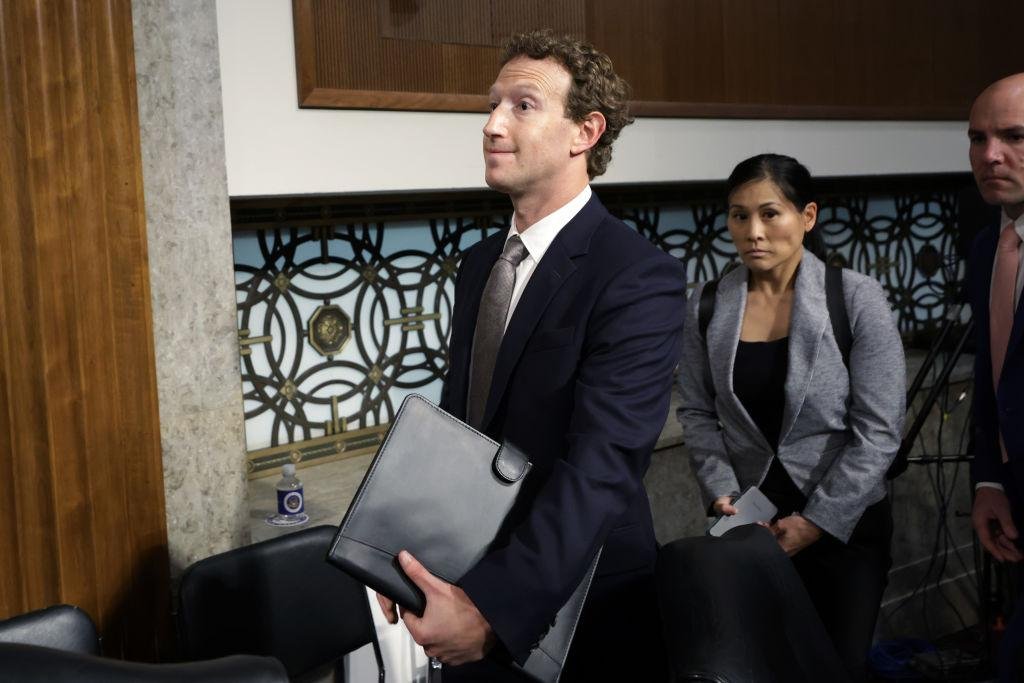
Technology executives are reportedly preparing carefully for the upcoming congressional hearing as public frustration with large digital platforms continues growing.
Recent controversies involving misinformation, election influence, cybersecurity breaches, and algorithm transparency have weakened public trust in several technology companies.
Executives are expected to highlight the positive economic contributions of the technology sector, including innovation, job creation, infrastructure investment, and digital transformation.
“Innovation and responsibility must move together,”
one technology executive recently stated during an industry conference.
However, critics argue that voluntary reforms are insufficient without stronger government oversight.
History of Government Oversight of Powerful Industries
Government investigations involving powerful industries have occurred repeatedly throughout American history.
As industries grow larger and more influential, lawmakers often respond with increased oversight and regulation efforts.
Historical Cycles of Corporate Oversight
| Era | Industry Under Scrutiny | Main Concern |
|---|---|---|
| Early 1900s | Railroads | Monopoly Control |
| 1910s | Oil Industry | Market Dominance |
| 1980s | Telecommunications | Competition |
| 2000s | Banking Industry | Financial Stability |
| 2020s | Technology Companies | AI, Privacy, Influence |
Supporters of stronger regulations argue that technology companies are following historical patterns where economic concentration eventually attracts political scrutiny.
Public Opinion Remains Deeply Divided
Public opinion surrounding major technology companies remains sharply divided.
Many consumers appreciate the convenience, innovation, and communication tools created by Silicon Valley firms. Others worry about privacy risks, social media influence, political polarization, and growing corporate power.
The Big Tech investigation may not immediately produce sweeping legislation, but experts believe it could significantly influence future policy debates involving artificial intelligence, online safety, and digital competition.
Governments worldwide are increasingly recognizing that technology regulation may become one of the defining political issues of the next decade.