

BERLIN, Germany – May 7, 2026 (Washington Insider Magazine) Germany defense tensions have intensified after renewed political debate emerged over the possibility of reducing American military forces stationed in Germany. The discussion has revived concerns across Europe regarding NATO security, regional military readiness, and the long-term future of United States defense commitments on the continent.
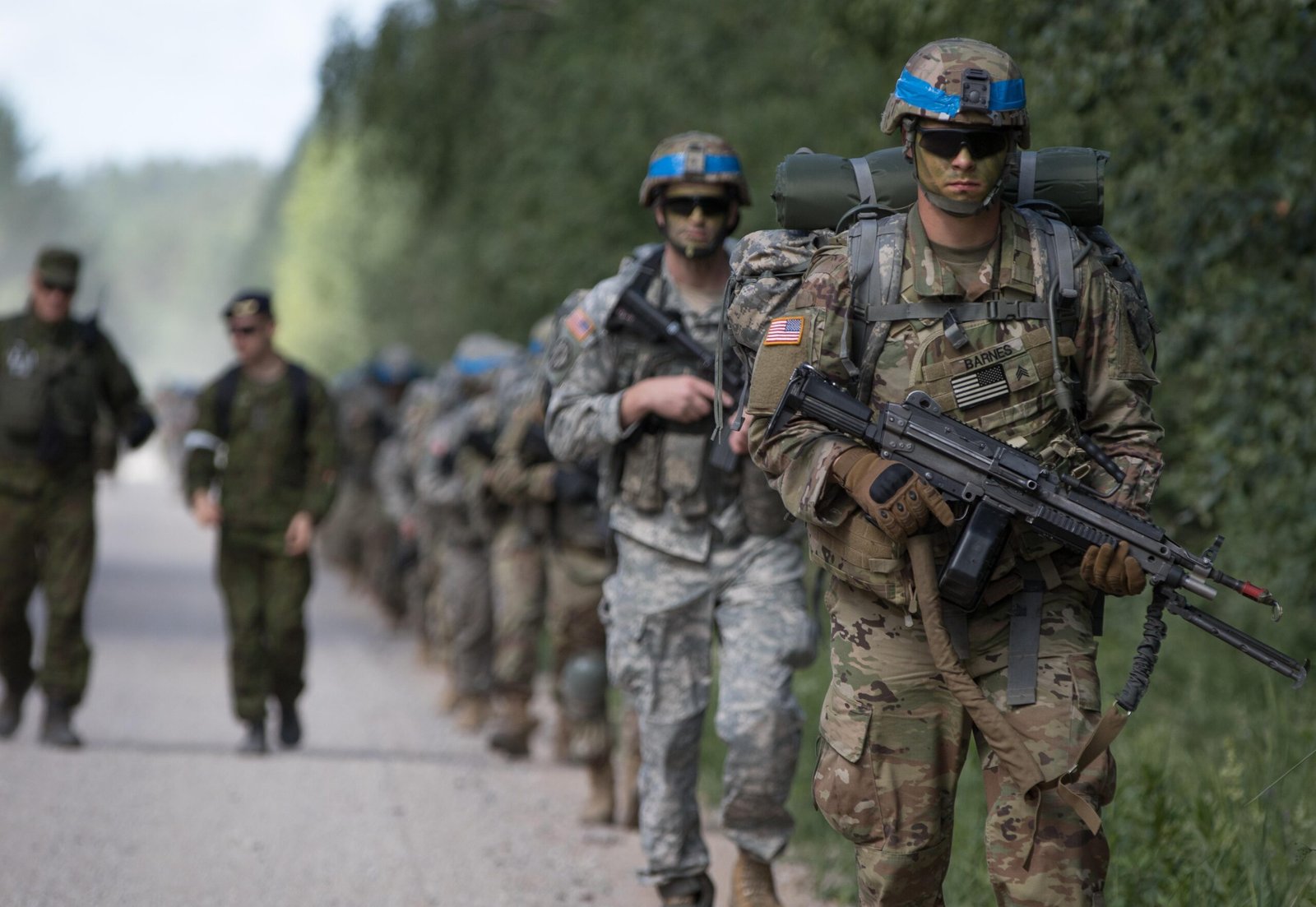
Germany hosts one of the largest concentrations of American military personnel outside the United States. These forces support NATO operations, intelligence-sharing networks, logistics systems, air mobility programs, and rapid military response capabilities throughout Europe.
Analysts warn that any major change involving US military deployments could significantly affect Europe’s defense structure and geopolitical stability during an already fragile international security environment.
Germany Remains a Strategic NATO Hub
Germany has served as a central operational base for US and NATO military activities since the Cold War era.
American military installations across Germany support command operations, training missions, intelligence coordination, and transportation logistics for missions throughout Europe, Africa, and the Middle East.
The growing debate surrounding Germany defense tensions reflects broader uncertainty about future NATO strategy and alliance coordination.
“Germany remains one of NATO’s most strategically important locations,”
one European defense analyst explained.
“Its military infrastructure is deeply integrated into alliance operations.”
Security experts warn that relocating or downsizing major military operations would require extensive logistical planning and major financial investment.
Trump’s Past NATO Criticism Returns to Focus
Donald Trump repeatedly criticized NATO allies during his presidency for failing to meet defense spending targets.
Trump previously proposed reducing American troop levels in Germany while urging European nations to assume greater responsibility for regional security costs.
The renewed political discussion tied to Germany defense tensions has therefore raised fresh questions about the future reliability of American military commitments within Europe.
Supporters of troop reductions argue that the United States should focus more heavily on domestic priorities and reduce overseas military expenditures.
Critics warn that large-scale troop withdrawals could weaken NATO deterrence and encourage geopolitical rivals to test alliance unity.
NATO Security Concerns Continue Growing
The debate arrives as NATO continues responding to rising geopolitical instability involving Russia and Eastern European security conditions.
Since the Ukraine conflict intensified, NATO countries have increased military spending and strengthened alliance coordination throughout Europe.
The growing concerns linked to Germany defense tensions remain highly sensitive because Germany serves as a major logistics and command center for NATO military planning.
Military analysts believe substantial troop reductions could complicate operational coordination, intelligence-sharing systems, and rapid deployment capabilities across Europe.
“American forces in Germany provide operational support and political reassurance simultaneously,”
one NATO security adviser stated.
“Their presence carries strategic significance far beyond troop numbers.”
Germany Expands Its Defense Responsibilities
Germany has increased military investment during recent years as European governments attempt to strengthen defense readiness and reduce long-term dependence on external security support.
Berlin has committed billions toward military modernization programs, infrastructure upgrades, and defense procurement projects.
However, many experts argue Europe would still face major challenges replacing the operational capabilities currently supported by American military infrastructure in Germany.
The ongoing debate surrounding Germany defense tensions may therefore accelerate broader discussions about European strategic independence and military integration.
Defense specialists note that American facilities in Germany support intelligence systems, transportation networks, and command operations that would be difficult to replicate quickly.
Economic Impact Could Affect German Regions
US military installations contribute significantly to local economies throughout Germany.
American troops, civilian personnel, contractors, and military families generate economic activity supporting housing markets, retail businesses, infrastructure development, and regional employment.
The broader concerns surrounding Germany defense tensions therefore extend beyond military strategy and geopolitics.
Several German communities located near major bases have previously expressed concern about the economic consequences of potential troop reductions.
Local business organizations warn that military downsizing could negatively affect jobs and long-term economic growth in some regions.
Russia Closely Watches NATO Discussions
Geopolitical rivals including Russia continue monitoring NATO military coordination and Western defense policy closely.
Security analysts warn that visible disagreements within NATO could potentially encourage more aggressive geopolitical positioning from rival states.
The ongoing focus on Germany defense tensions has therefore become part of a much larger international security discussion involving deterrence, alliance stability, and strategic military balance.
“Military deployments often carry symbolic geopolitical value,”
one geopolitical strategist explained.
“Changes in troop positioning can influence international perceptions very quickly.”
Experts believe any future decisions regarding troop levels in Germany would receive significant attention from governments worldwide.
Pentagon and Congress Would Influence Decisions
Although presidents hold major authority regarding military policy, large troop deployment decisions typically involve coordination with the Pentagon, Congress, NATO partners, and military planners.
Operational readiness, regional security conditions, and infrastructure requirements all play major roles in evaluating force adjustments.
The future debate surrounding Germany defense tensions will therefore depend on political, military, and diplomatic considerations rather than political rhetoric alone.
Defense analysts also note that transferring military infrastructure and operational systems can take years to complete.
Historical Importance of US Forces in Germany
The United States established a major military presence in Germany after World War II as part of NATO’s broader Cold War defense strategy.
During the Cold War period, Germany became one of the most important strategic locations for deterring Soviet influence across Europe.
Even after the Soviet Union collapsed, American military infrastructure in Germany remained essential for global operations involving Europe, the Middle East, and Africa.
The long-standing role tied to Germany defense tensions continues shaping NATO strategy and transatlantic security policy today.

Key Takeaways
Renewed debate over possible reductions involving American troops stationed in Germany has intensified concerns surrounding NATO readiness, European defense stability, and future US military commitments abroad. Germany remains a central operational hub for NATO security infrastructure, making any potential troop adjustments highly significant politically, militarily, and economically throughout Europe during 2026.